
Arizona Waterproofing Contractor Insurance
See How We're Different:
or Call Us:(480) 526-3222
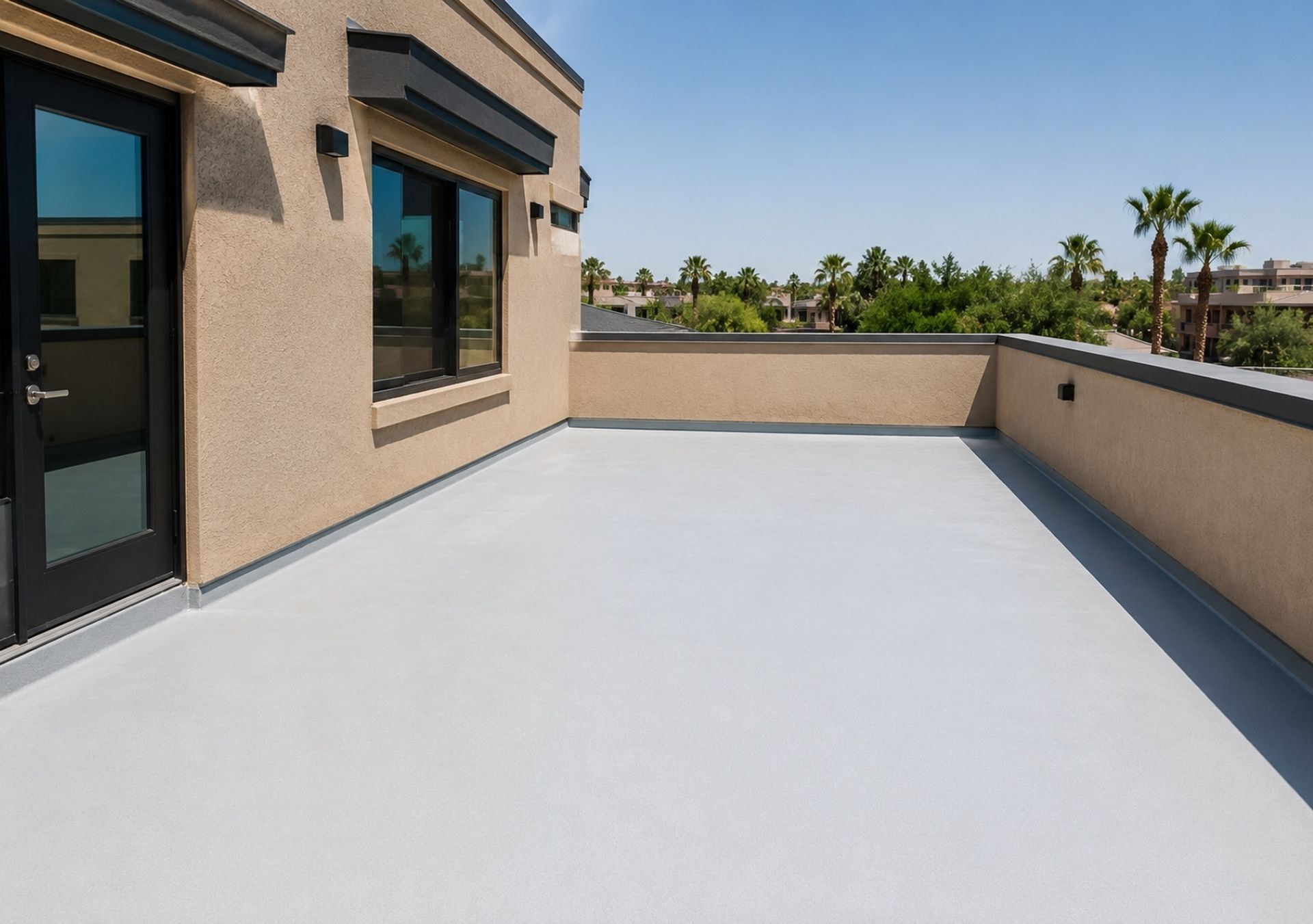
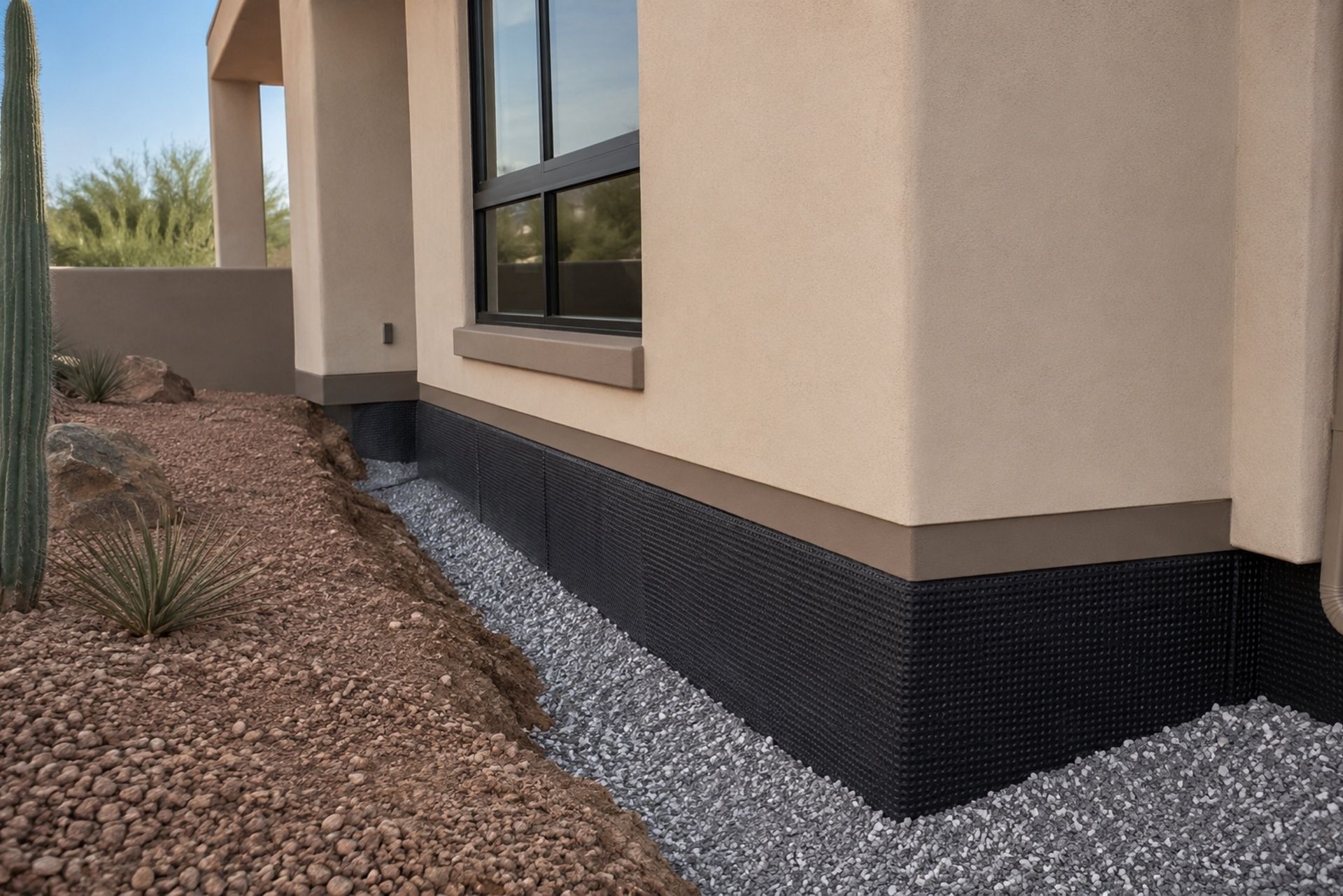
Running a waterproofing business in Arizona means dealing with risks most people don't think about: chemical exposure, property damage claims, monsoon-related callbacks, and expensive equipment that travels from site to site. Whether you're
sealing foundations in Tucson or applying
elastomeric coatings on
commercial rooftops in Scottsdale, carrying the right insurance isn't just smart - it's often legally required. This guide to Arizona waterproofing contractor insurance coverage breaks down every policy type you should consider, what the state demands, and how to keep your premiums manageable. The desert climate creates unique exposures that generic
contractor policies don't always address, so understanding your specific risks matters more than grabbing the cheapest quote online. If you've been putting off a serious review of your coverage, now's the time to get it right.
Essential Insurance Policies for Arizona Waterproofing Businesses
Every waterproofing contractor needs a foundation of core policies before thinking about specialty coverage. These aren't optional extras - they're the baseline that keeps your business solvent when something goes wrong on a job site.
General Liability for Water Damage and Property Claims
General liability (GL) is your first line of defense when a client claims your work caused damage to their property. For waterproofing contractors, these claims often involve water intrusion that wasn't properly stopped, coating failures that led to interior damage, or accidental harm to adjacent structures during application. Small waterproofing businesses in Arizona typically pay between $800 and $2,500 annually for general liability insurance, though Phoenix-area specialists working on larger commercial projects may see higher premiums.
Your GL policy covers third-party bodily injury and property damage, but pay close attention to the "completed operations" portion. This is what protects you after you've finished a job and left the site. A basement waterproofing failure discovered six months later falls under completed operations, not your standard premises liability. Many contractors don't realize their policy has a separate aggregate limit for completed operations claims, and that limit can get eaten up fast if you're handling multiple projects.
One common mistake: assuming your GL policy covers faulty workmanship itself. It typically doesn't. GL covers the resulting damage from faulty work, not the cost to redo the work. That distinction matters when a client demands you pay for both the repair and the water damage.
Workers' Compensation Requirements in Arizona
Arizona requires workers' compensation for nearly every employer, regardless of how many people you have on payroll. Even a single employee triggers this requirement. If you're a sole proprietor with no employees, you're exempt but can still elect coverage for yourself - and many general contractors will require proof of it before letting you on their job sites.
Workers' comp rates for waterproofing contractors tend to be higher than office-based businesses because of the physical nature of the work. Climbing scaffolding, handling chemical sealants, and working in confined spaces all increase the risk profile. Your experience modification rate (EMR) plays a big role here. An EMR below 1.0 signals a safer-than-average operation and earns you lower premiums. An EMR above 1.0 means you've had more claims than expected, and you'll pay for it.
Arizona's Industrial Commission of Arizona (ICA) oversees workers' comp compliance. Getting caught without coverage can result in fines up to $1,000 per day of noncompliance, plus personal liability for any workplace injuries.
Commercial Auto Insurance for Transporting Sealants and Equipment
If you're driving company vehicles loaded with sealants, pumps, spray rigs, or other waterproofing equipment, personal auto insurance won't cut it. Commercial auto covers vehicles owned or leased by your business, and it extends to liability for accidents that happen during business use.
Here's what catches some contractors off guard: transporting hazardous materials like solvent-based sealants or
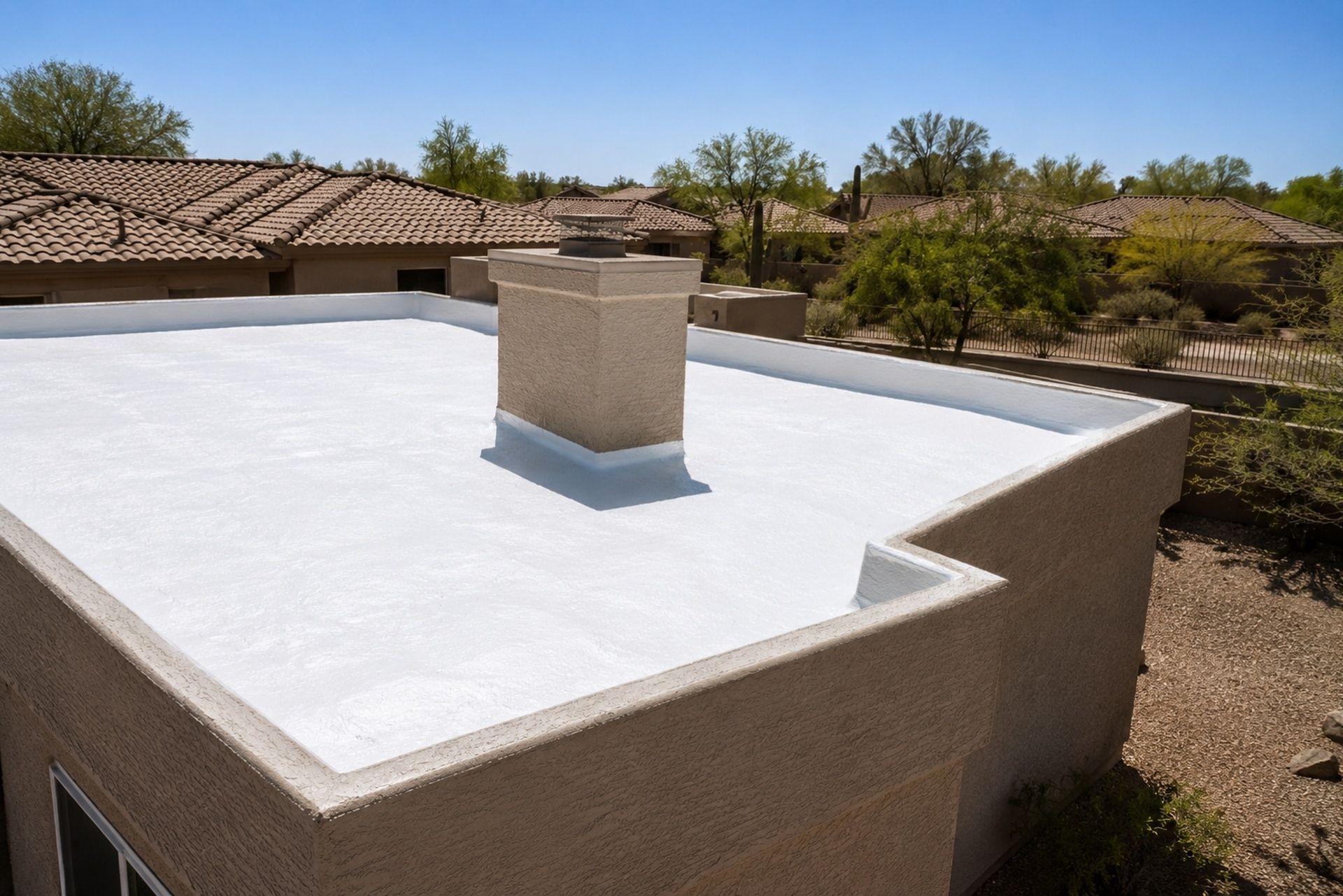
polyurethane foam chemicals can affect your commercial auto rates. Insurers view these loads as higher risk because of spill potential. Make sure your policy explicitly covers the types of materials you haul. A gap here could leave you exposed if a vehicle accident results in a chemical spill on an Arizona highway, turning a fender bender into an environmental cleanup situation.
Specialized Risk Mitigation for Waterproofing Professionals
Beyond the basics, waterproofing contractors face industry-specific exposures that standard policies don't fully address. These specialized coverages fill the gaps.
Professional Liability and Errors and Omissions
Professional liability, sometimes called errors and omissions (E&O), protects you when a client alleges that your professional advice or design recommendations caused them financial harm. This is different from general liability. GL covers physical damage; E&O covers economic losses from professional mistakes.
Say you recommend a specific waterproofing system for a commercial building, and it fails to perform as promised. The building owner doesn't just want the membrane replaced - they want compensation for lost rental income during repairs, tenant relocation costs, and architect fees for redesign. That's an E&O claim. Waterproofing contractors who provide consulting, system design, or product specifications should seriously consider this coverage.
Pollution Liability for Chemical Runoff and Fumes
Standard GL policies almost always exclude pollution-related claims. That's a problem for waterproofing contractors who regularly work with epoxies, urethanes, bituminous coatings, and solvent-based products. If chemical runoff from your job site contaminates a neighbor's property, or if fumes from your application cause respiratory issues for building occupants, you need a separate pollution liability policy.
This coverage is especially relevant during Arizona's monsoon season (June through September), when sudden downpours can wash chemicals off surfaces before they've cured. A pollution incident can trigger EPA involvement and cleanup costs that dwarf the original contract value. Policies typically cover both sudden and gradual pollution events, but read the fine print carefully.
Inland Marine Coverage for Specialized Tools and Pumps
Your waterproofing equipment - injection pumps, spray rigs, moisture meters, pressure washers - travels between job sites constantly. Standard commercial property insurance covers items at your fixed business location, not equipment in transit or stored temporarily at a work site. Inland marine insurance fills that gap.
| Coverage Type | What It Protects | Typical Annual Cost |
|---|---|---|
| Commercial Property | Equipment at your office or warehouse | $500 - $1,500 |
| Inland Marine | Equipment in transit or at job sites | $300 - $1,200 |
| Tools & Equipment Floater | Specific scheduled items (pumps, rigs) | Varies by value |
If a spray rig worth $15,000 gets stolen from a job site overnight, inland marine is what pays for the replacement. Given that waterproofing equipment is both expensive and portable, this coverage is worth every dollar.
Arizona Licensing and Bonding Compliance
Operating legally in Arizona means more than just having insurance. You need proper licensing and bonding through the state's regulatory framework.
Registrar of Contractors (ROC) Bonding Requirements
The Arizona Registrar of Contractors (ROC) requires all licensed contractors to maintain a surety bond. For residential contractors, the bond amount is typically $10,000, while commercial and dual-licensed contractors may need higher amounts. This bond protects consumers - if you fail to complete a project or violate your contract, the homeowner can file a claim against your bond.
Don't confuse a surety bond with insurance. A bond is essentially a guarantee backed by a surety company. If a claim is paid out, the surety company will come after you for reimbursement. It's more like a line of credit than a safety net. Waterproofing contractors in Arizona generally fall under the ROC's specialty classifications, and your specific license class determines your bonding requirements.
Keeping your bond active is non-negotiable. A lapsed bond means a suspended license, and working without a license in Arizona carries penalties including fines and potential criminal charges.
Certificate of Insurance (COI) Management for Subcontractors
If you hire subcontractors or work as a sub yourself, certificates of insurance become part of your daily paperwork. General contractors will request a COI before you set foot on their job site, and you should do the same for anyone working under you.
A COI confirms that valid insurance policies are in place and lists the certificate holder (usually the GC) as an additional insured. Managing these certificates gets complicated fast when you're juggling multiple projects. Many contractors use digital COI tracking platforms to avoid lapses. One expired certificate can get you kicked off a job site mid-project, so staying organized here directly protects your revenue.
Your insurance premiums aren't random numbers. Several factors specific to Arizona's market and your business profile determine what you'll pay.
Project Scope and Residential vs. Commercial Exposure
Contractors who focus on residential basement waterproofing and foundation sealing generally pay lower premiums than those handling large commercial projects. The reasoning is straightforward: commercial jobs involve higher contract values, more complex systems, and greater potential for catastrophic claims.
Your annual revenue and payroll also factor in. A solo operator grossing $150,000 per year will pay significantly less than a crew of ten generating $1.2 million. Insurers use these figures as proxies for exposure - more revenue means more jobs, more jobs means more opportunities for something to go wrong.
Geographic location within Arizona matters too. Phoenix and Tucson metro areas see higher premiums than rural regions, partly due to higher property values and more aggressive litigation environments.
Historical Claims Data and Safety Record Impact
Your claims history is probably the single biggest factor affecting your premiums. Insurers look at both the frequency and severity of past claims. Two small claims can actually hurt you more than one larger claim, because frequency suggests a pattern of problems rather than a one-off incident.
Investing in safety training, documented quality control procedures, and proper employee certification pays off at renewal time. Contractors with clean three-to-five-year claims histories often qualify for preferred rates that can save 15-25% compared to standard pricing.
Filing a claim correctly can mean the difference between a smooth payout and a denial. When an incident occurs, document everything immediately: photos, written descriptions, witness statements, and any relevant contracts or specifications. Notify your insurer as soon as possible - most policies require "prompt" notice, and delays can give the carrier grounds to deny your claim.
During the claims process, cooperate fully with the adjuster but don't admit fault or make statements that could be used against you later. Your insurance agent can help coordinate communication between you and the claims department.
Policy renewals deserve just as much attention. Don't auto-renew without reviewing your coverage limits, deductibles, and exclusions. Your business changes year to year - new equipment, different project types, additional employees - and your coverage should reflect those changes. Request quotes from at least two or three carriers before each renewal to make sure you're getting competitive pricing.
Frequently Asked Questions
Do I need insurance if I'm a sole proprietor with no employees? You're not required to carry workers' comp, but general liability is still essential. Most clients and general contractors won't hire you without proof of GL coverage, and a single property damage claim could bankrupt an uninsured solo operator.
Does my general liability policy cover mold resulting from my waterproofing work? Usually not. Most GL policies exclude mold-related claims or severely limit coverage. You may need a separate mold endorsement or a pollution liability policy to cover mold remediation costs.
How much does a typical waterproofing contractor insurance package cost in Arizona? A basic package including GL, commercial auto, and workers' comp for a small crew typically runs $4,000 to $10,000 per year. Your actual cost depends on revenue, payroll, claims history, and project types.
Can I use my personal vehicle for business and skip commercial auto insurance? You can, but your personal auto insurer will likely deny any claim that occurred during business use. If you regularly transport equipment or materials, commercial auto coverage is the safer choice.
What happens if my ROC bond lapses? Your contractor's license gets suspended. Working without an active license in Arizona can result in fines, project shutdowns, and even misdemeanor charges for repeat offenses.
Making the Right Choice for Your Business
Getting your insurance coverage right as an Arizona waterproofing contractor isn't a one-time decision - it's something you revisit as your business grows and your risk profile shifts. Start with the essentials: general liability, workers' comp, and commercial auto. Then layer in specialty coverages like pollution liability and inland marine based on the types of projects you actually perform. Keep your ROC bond current, manage your COIs proactively, and review your policies at every renewal. The contractors who treat insurance as a strategic business tool rather than a grudging expense are the ones who survive the claims that inevitably come. Talk to an agent who understands construction trades in Arizona, get multiple quotes, and make sure every policy matches the work you're doing today, not the work you were doing three years ago.
About The Author:
Taylor Whatcott
As President of Wilde Wealth Insurance Services, I’m committed to providing trusted protection for both families and businesses across Arizona. Our independent team works with top-rated carriers to deliver tailored, comprehensive coverage—making insurance simple, accessible, and hassle-free.
Contact Us
Commercial Coverage Solutions
Protect Your Business with the Right Insurance
We offer customized insurance solutions to safeguard your business from financial risks. Our policies provide protection for property, employees, and liability concerns.
Commercial Property Insurance
Safeguards buildings, equipment, and inventory from damage or loss.
Professional Liability Insurance
Covers claims of negligence, errors, or omissions in services.
Cyber Liability Insurance
Protects against data breaches, cyberattacks, and online threats.
Who We Protect
Insurance Solutions for Your Industry
We specialize in providing tailored coverage for businesses in key industries. Our policies are designed to meet industry-specific risks and ensure complete protection.


Protection for Your Home & Assets
Reliable Coverage for Life’s Unexpected Moments
We provide personal insurance solutions designed to safeguard your home, vehicle, and financial well-being. Our policies ensure you and your loved ones are protected.







What Our Clients Say
Real Feedback. Real Confidence.
FAQs
Answers to Common Insurance Questions
How do I know which insurance coverage is right for me?
Choosing the right insurance depends on your personal or business needs. Our team evaluates your risks and recommends tailored coverage to protect what matters most.
We work with multiple carriers to provide different policy options. This allows you to compare benefits, limits, and pricing to make an informed choice.
If you’re unsure, we’ll walk you through the options step by step, ensuring you understand your coverage and feel confident in your decision.
Why should I choose an independent insurance agency like Wilde Wealth?
As an independent agency, we are not tied to a single insurance provider. This means we can compare multiple policies to find the best coverage at the best price.
Our goal is to advocate for you, ensuring you receive personalized service and expert advice tailored to your situation.
Unlike direct insurers, we offer ongoing support, helping you with claims, policy changes, and future coverage needs.
Can I bundle multiple insurance policies to save money?
Yes! Bundling policies like home and auto can lead to significant savings. Many carriers offer discounts for combining multiple coverages.
Bundling also simplifies policy management, with a single point of contact and streamlined renewals.
We help you explore bundling options to ensure you get the best value while maintaining the protection you need.
What factors affect my insurance rates?
Insurance rates are influenced by factors such as coverage limits, location, claims history, and risk exposure. Personal insurance may consider credit scores, driving history, and home value.
For businesses, factors like industry type, employee count, and annual revenue can impact pricing. Each carrier evaluates risk differently.
We shop multiple providers to find the best balance of coverage and cost, ensuring you don’t overpay while staying fully protected.
How does Wilde Wealth Insurance Services help business owners?
We provide customized business insurance solutions to protect against liability, property damage, employee-related risks, and cyber threats.
Our team works with a range of industries, including contractors, restaurants, and real estate professionals, to offer tailored policies.
From small startups to established enterprises, we help business owners minimize risks and keep operations running smoothly.
What happens if I need to file a claim?
Filing a claim is simple with our support. Contact us first, and we’ll guide you through the process, ensuring all necessary information is submitted correctly.
We work directly with your insurance carrier to expedite the claim, keeping you informed at every step.
Our team is here to advocate for you, making sure you receive a fair and timely resolution.
Latest Articles & Insights
Stay Informed with Expert Insurance Advice
We provide valuable insights to help you make informed insurance decisions. Explore our latest articles on coverage options, industry trends, and risk management tips.

Contact Us