
Arizona Motor Truck Cargo Insurance
See How We're Different:
or Call Us:(480) 526-3222
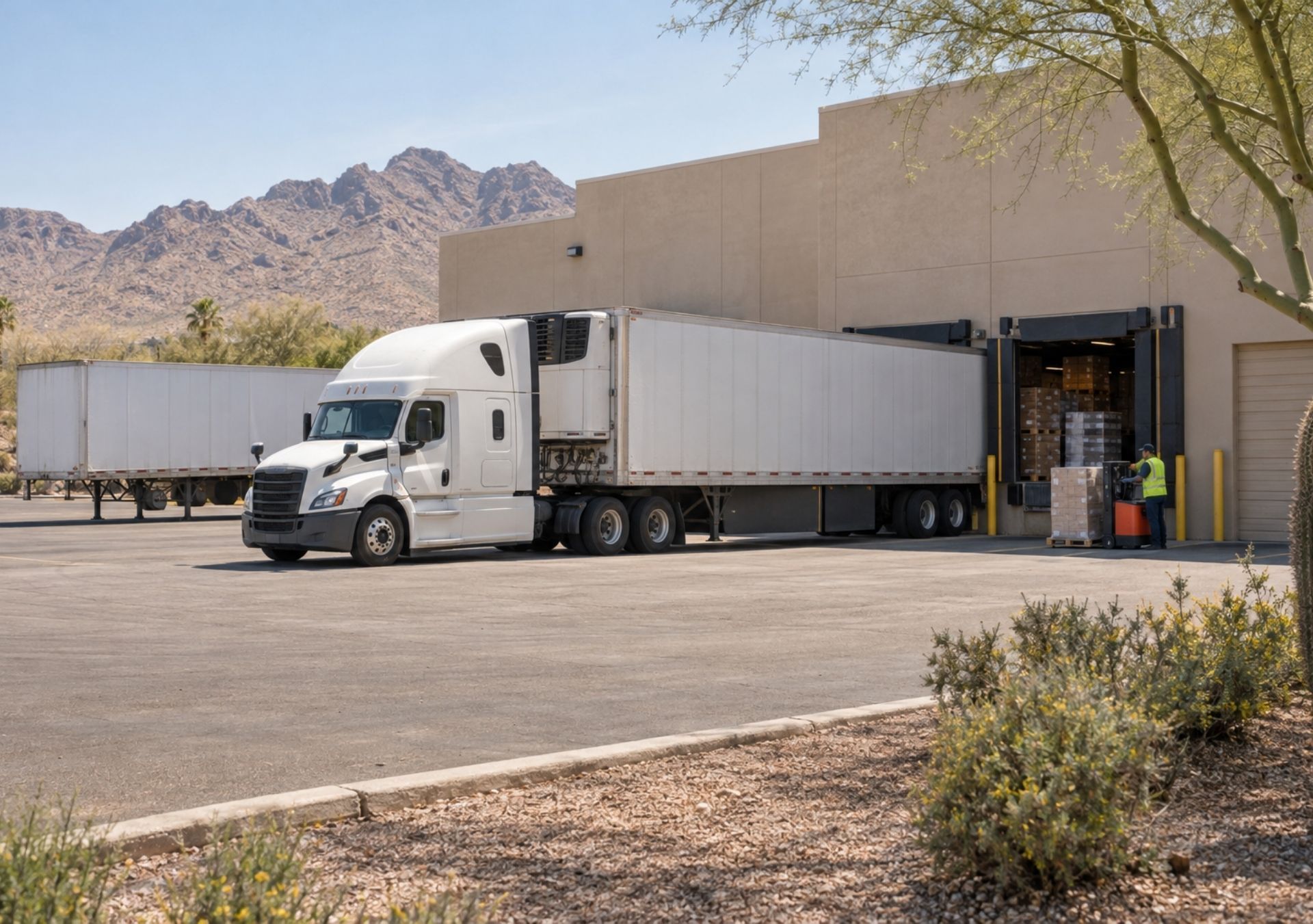
Arizona's trucking industry keeps the state's economy moving, hauling everything from fresh produce out of Yuma to electronics bound for Phoenix distribution centers. But every mile of freight carries risk: theft, accidents, spoilage, and damage that can cost a carrier tens of thousands of dollars in a single incident. If you're an owner-operator or fleet manager running routes through the Grand Canyon State, understanding your cargo insurance options isn't optional. It's essential. This guide covers the commodities you can insure, the policy limits you need, how refrigeration breakdown coverage works, what exclusions might catch you off guard, and what you'll actually pay for
motor truck cargo insurance as an Arizona carrier. Arizona is
ranked as the 5th most affordable state for fleet insurance in the U.S., which gives carriers here a real cost advantage, but only if they're buying the right coverage.
Understanding Motor Truck Cargo Insurance for Arizona Carriers
Motor truck cargo insurance protects the freight you're hauling, not your truck itself. If a load is damaged, destroyed, or stolen while in your possession, this policy covers the financial loss. It's separate from your auto liability or physical damage coverage, and it fills a gap that those policies never intended to address.
Your policy responds when cargo is harmed by covered perils: collisions, overturns, fire, theft, and sometimes weather events. The specifics depend on whether you carry an all-risk policy or a named-perils policy, which we'll break down later.
Why Arizona Interstate and Intrastate Laws Require Coverage
If you haul freight across state lines, the FMCSA requires you to carry cargo insurance. The minimum is typically $5,000 per vehicle and $10,000 per occurrence for general freight, though brokers and shippers often demand much higher limits. For intrastate carriers operating solely within Arizona, the ADOT has its own authority requirements that may include proof of cargo coverage depending on your commodity type.
Failing to carry adequate cargo insurance doesn't just expose you to lawsuits. It can cost you your operating authority entirely.
Legal Liability vs. Professional Liability in Freight
There's an important distinction here that many new carriers miss. Legal liability coverage only pays for losses you're legally responsible for under the Carmack Amendment or your bill of lading terms. Professional liability (sometimes called "broad form" cargo coverage) is wider: it can cover losses even when you aren't technically at fault, like theft from a secured lot.
Most brokers and shippers prefer carriers with broad form coverage because it reduces disputes after a claim. If you're running freight for Amazon relay or major 3PLs, expect them to require it.
Covered Commodities and Policy Limits
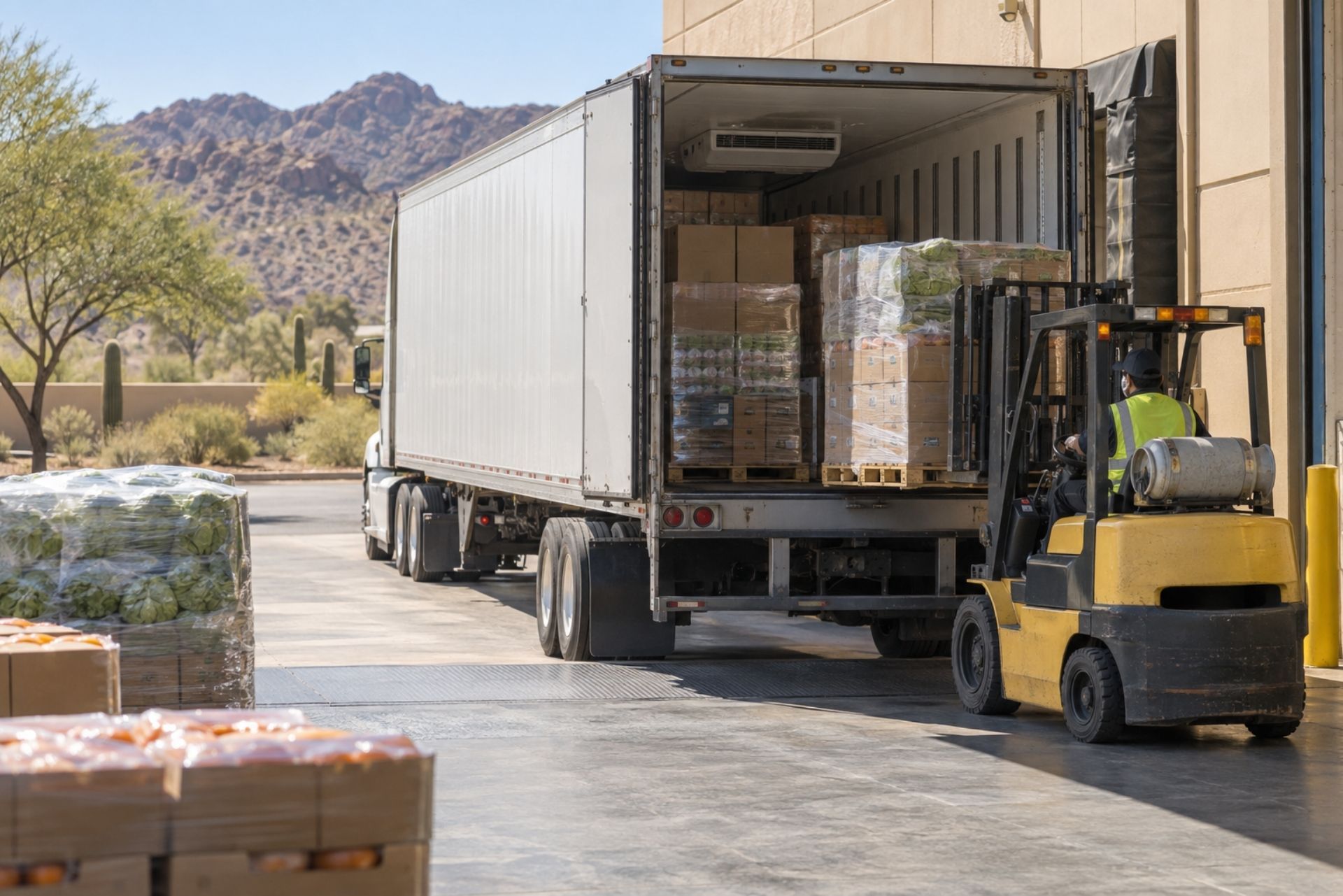
Not all freight is treated equally by insurers. Your cargo policy will specify which commodities are covered, and some loads require special endorsements or higher premiums.
Standard vs. High-Value Commodity Classifications
Standard cargo policies typically cover general commodities: dry goods, building materials, packaged foods, machinery, and similar freight. These are considered lower-risk and easier to insure.
High-value commodities are a different story. Electronics, pharmaceuticals, alcohol, and tobacco often require separate endorsements or standalone policies. Cargo theft reports show that electronics and pharmaceuticals remain among the most targeted commodities for organized theft rings, which drives up both scrutiny and cost.
Determining Proper Limits for Arizona Freight Routes
Your policy limit should reflect the maximum value of any single load you haul. If you're running $80,000 worth of produce from Nogales to a distribution center in Tucson, a $100,000 limit gives you reasonable coverage. Carrying a $50,000 limit on that same route leaves you exposed to a $30,000 gap.
Arizona carriers hauling across I-10 and I-40 corridors should pay special attention to load values, since these routes connect major markets in California, Texas, and the Midwest. Talk to your insurer about your typical and maximum load values before setting limits.
| Feature | Legal Liability | Direct Primary | Direct Excess |
|---|---|---|---|
| Pays when you're at fault | Yes | Yes | Yes |
| Pays for theft/vandalism | Only if due to your negligence | Yes | Yes, after customer's policy |
| Pays for weather damage | Only if due to your negligence | Yes | Yes, after customer's policy |
| Customer files with their insurer first? | No (claim denied if you're not at fault) | No | Yes |
| Premium cost | Lowest | Highest | Mid-range |
| Best for | Low-risk, low-volume shops | High-volume shops, dealerships | Moderate-risk operations |
Comparison: Standard Cargo vs. Specialized Endorsements
Choosing between a basic cargo policy and a comprehensive plan with endorsements can feel confusing. Here's a clear breakdown.
Coverage Comparison Table: Basic vs. Comprehensive Plans
| Feature | Basic Cargo Policy | Comprehensive with Endorsements |
|---|---|---|
| Covered perils | Named perils only (fire, collision, overturn) | All-risk (broader protection) |
| Theft coverage | Limited or excluded | Included |
| Refrigeration breakdown | Not included | Available as endorsement |
| High-value goods | Excluded or sublimited | Covered with proper endorsement |
| Unattended vehicle | Typically excluded | May be covered with conditions |
| Deductible range | $1,000 - $5,000 | $1,000 - $2,500 |
| Typical annual cost | $1,500 - $3,000 | $3,000 - $6,000+ |
The basic policy works if you're hauling low-value general freight on short runs. But if you're moving temperature-sensitive goods, high-value electronics, or running long-haul routes where theft risk increases, comprehensive coverage is worth the extra cost. A single denied claim on a $60,000 load will cost far more than the annual premium difference.
Refrigeration Breakdown and Temperature-Sensitive Freight
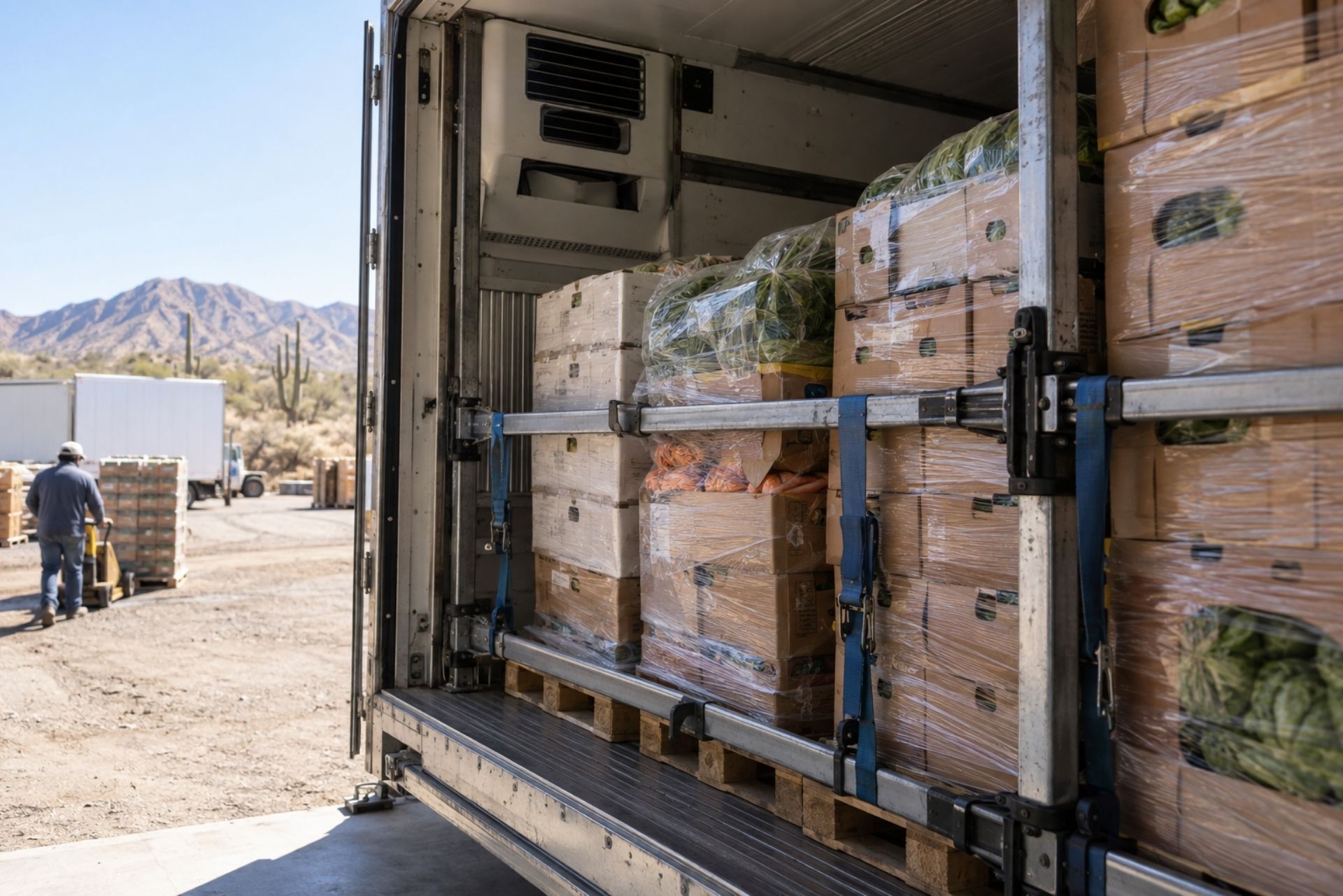
Arizona's climate makes reefer coverage a serious concern. Summer surface temperatures regularly exceed 150°F on asphalt, and a failed reefer unit can destroy a perishable load within hours.
Mechanical Failure vs. Driver Error in Reefer Claims
Reefer breakdown coverage specifically addresses mechanical failure of the refrigeration unit itself. If your compressor dies, the thermostat malfunctions, or an electrical component fails, this endorsement pays for the spoiled cargo. Standard cargo policies almost never cover this type of loss.
The catch is that driver error usually isn't covered under reefer breakdown endorsements. If a driver sets the wrong temperature, forgets to fuel the reefer unit, or fails to pre-cool the trailer before loading, your claim will likely be denied. Proper training and pre-trip reefer inspections are your best defense. Carriers moving perishable loads should treat reefer breakdown coverage as essential rather than optional, especially in desert states.
The Impact of Arizona Heat on Spoilage Risk
Arizona's extreme heat amplifies every refrigeration risk. A reefer unit that might keep freight safe for two hours after failure in Minnesota could lose a load in under 45 minutes during an Arizona summer. Insurers know this, and they factor it into your premium.
Carriers hauling produce from Yuma's agricultural region or frozen goods through Phoenix face higher spoilage exposure than those in cooler climates. Some insurers require temperature monitoring devices (like TempTale or Sensitech units) as a condition of coverage. If your insurer doesn't require them, install them anyway. They provide critical evidence during claims.
Every cargo policy has exclusions, and the ones that surprise you are the ones that hurt the most. Reading your policy's exclusion section isn't exciting, but it's the single best thing you can do to protect your business.
Targeted Commodities: Electronics, Alcohol, and Tobacco
Many standard cargo policies exclude or sublimit coverage for electronics, alcohol, and tobacco products. These commodities carry high theft risk and high per-unit value, which makes insurers cautious. The rise in deceptive cargo theft pickups across the country has made underwriters even more conservative with these categories.
If you haul any of these goods, check your policy carefully. You may need a specific endorsement, and you'll almost certainly face stricter security requirements.
Unattended Vehicle Clauses and Security Requirements
Most cargo policies include an unattended vehicle exclusion. If your truck is left unattended and cargo is stolen, the insurer may deny the claim unless specific security measures were in place. Common requirements include:
- King pin locks or glad hand locks when the trailer is detached
- Parking in well-lit, fenced, or monitored lots
- GPS tracking on both the tractor and trailer
- Avoiding overnight parking at unsecured rest areas
Some policies define "unattended" as any time the driver is more than 100 feet from the vehicle or doesn't have a clear line of sight. Know your policy's specific definition before you park for the night.
Factors Influencing Insurance Costs in the Grand Canyon State
Several variables determine what you'll pay for cargo coverage in Arizona. Your driving record, years of experience, commodity type, and operating radius all play a role. Average cargo insurance costs range from $400 to $1,800 per year for basic coverage, though specialized freight can push premiums significantly higher.
Arizona carriers benefit from the state's relatively low insurance costs compared to states like California or New York. That said, your individual premium depends on your claims history, the value of freight you typically haul, your deductible choice, and whether you add endorsements for reefer breakdown or high-value goods.
One factor many carriers overlook is their loss ratio. If you've filed multiple claims in the past three years, expect your renewal premium to jump. Investing in security equipment, driver training, and proper load securement can keep your loss ratio low and your premiums manageable.
Frequently Asked Questions About Arizona Cargo Insurance
Do I need cargo insurance if I only haul my own goods? If you're transporting your own property (not freight for hire), you typically don't need motor truck cargo insurance. Your commercial property policy may cover your goods in transit instead. Check with your agent.
What's the difference between cargo insurance and freight insurance? They're often used interchangeably, but cargo insurance specifically covers the carrier's liability for freight in their possession. Freight insurance can also refer to shipper-purchased coverage, which protects the shipper rather than the carrier.
Can I get cargo coverage for a single load? Yes. Trip-specific or single-load cargo policies exist for carriers who don't haul freight regularly or who occasionally take a high-value load outside their normal commodity class.
Does my cargo policy cover loading and unloading? Most policies cover cargo from the time it's loaded onto your trailer until it's delivered and unloaded. Some policies exclude damage that occurs during the actual loading or unloading process, so read your coverage trigger carefully.
How fast can I get a cargo insurance policy in Arizona? Many insurers can bind a motor truck cargo policy within 24 to 48 hours if your paperwork is in order. Have your MC number, commodity list, and operating radius ready.
Will my policy cover cargo theft from a truck stop? It depends on your unattended vehicle clause. If you followed all required security protocols and can document them, your claim has a much better chance of being approved.
Before You Buy a Policy
Getting the right cargo insurance for your Arizona trucking operation comes down to three things: knowing exactly what you haul, understanding your policy's exclusions, and choosing limits that actually match your load values. Too many carriers buy the cheapest policy available and discover its gaps only after a claim is denied.
Start by listing every commodity you haul, including occasional loads. Share that list with your insurance agent and ask specifically about exclusions for each one. If you move refrigerated freight through Arizona's desert corridors, reefer breakdown coverage isn't a luxury. Request quotes from at least three insurers so you can compare not just price but coverage terms, deductibles, and endorsement options.
Arizona gives you a cost advantage over carriers in many other states. Use that advantage wisely by investing in coverage that actually protects your business rather than simply checking a compliance box. Your next load is only as secure as the policy backing it.
About The Author:
Taylor Whatcott
As President of Wilde Wealth Insurance Services, I’m committed to providing trusted protection for both families and businesses across Arizona. Our independent team works with top-rated carriers to deliver tailored, comprehensive coverage—making insurance simple, accessible, and hassle-free.
Contact Us
Commercial Coverage Solutions
Protect Your Business with the Right Insurance
We offer customized insurance solutions to safeguard your business from financial risks. Our policies provide protection for property, employees, and liability concerns.
Commercial Property Insurance
Safeguards buildings, equipment, and inventory from damage or loss.
Professional Liability Insurance
Covers claims of negligence, errors, or omissions in services.
Cyber Liability Insurance
Protects against data breaches, cyberattacks, and online threats.
Who We Protect
Insurance Solutions for Your Industry
We specialize in providing tailored coverage for businesses in key industries. Our policies are designed to meet industry-specific risks and ensure complete protection.




Protection for Your Home & Assets
Reliable Coverage for Life’s Unexpected Moments
We provide personal insurance solutions designed to safeguard your home, vehicle, and financial well-being. Our policies ensure you and your loved ones are protected.







What Our Clients Say
Real Feedback. Real Confidence.
FAQs
Answers to Common Insurance Questions
How do I know which insurance coverage is right for me?
Choosing the right insurance depends on your personal or business needs. Our team evaluates your risks and recommends tailored coverage to protect what matters most.
We work with multiple carriers to provide different policy options. This allows you to compare benefits, limits, and pricing to make an informed choice.
If you’re unsure, we’ll walk you through the options step by step, ensuring you understand your coverage and feel confident in your decision.
Why should I choose an independent insurance agency like Wilde Wealth?
As an independent agency, we are not tied to a single insurance provider. This means we can compare multiple policies to find the best coverage at the best price.
Our goal is to advocate for you, ensuring you receive personalized service and expert advice tailored to your situation.
Unlike direct insurers, we offer ongoing support, helping you with claims, policy changes, and future coverage needs.
Can I bundle multiple insurance policies to save money?
Yes! Bundling policies like home and auto can lead to significant savings. Many carriers offer discounts for combining multiple coverages.
Bundling also simplifies policy management, with a single point of contact and streamlined renewals.
We help you explore bundling options to ensure you get the best value while maintaining the protection you need.
What factors affect my insurance rates?
Insurance rates are influenced by factors such as coverage limits, location, claims history, and risk exposure. Personal insurance may consider credit scores, driving history, and home value.
For businesses, factors like industry type, employee count, and annual revenue can impact pricing. Each carrier evaluates risk differently.
We shop multiple providers to find the best balance of coverage and cost, ensuring you don’t overpay while staying fully protected.
How does Wilde Wealth Insurance Services help business owners?
We provide customized business insurance solutions to protect against liability, property damage, employee-related risks, and cyber threats.
Our team works with a range of industries, including contractors, restaurants, and real estate professionals, to offer tailored policies.
From small startups to established enterprises, we help business owners minimize risks and keep operations running smoothly.
What happens if I need to file a claim?
Filing a claim is simple with our support. Contact us first, and we’ll guide you through the process, ensuring all necessary information is submitted correctly.
We work directly with your insurance carrier to expedite the claim, keeping you informed at every step.
Our team is here to advocate for you, making sure you receive a fair and timely resolution.
Latest Articles & Insights
Stay Informed with Expert Insurance Advice
We provide valuable insights to help you make informed insurance decisions. Explore our latest articles on coverage options, industry trends, and risk management tips.


Contact Us