
Arizona Generator Installation Contractor Insurance
See How We're Different:
or Call Us:(480) 526-3222
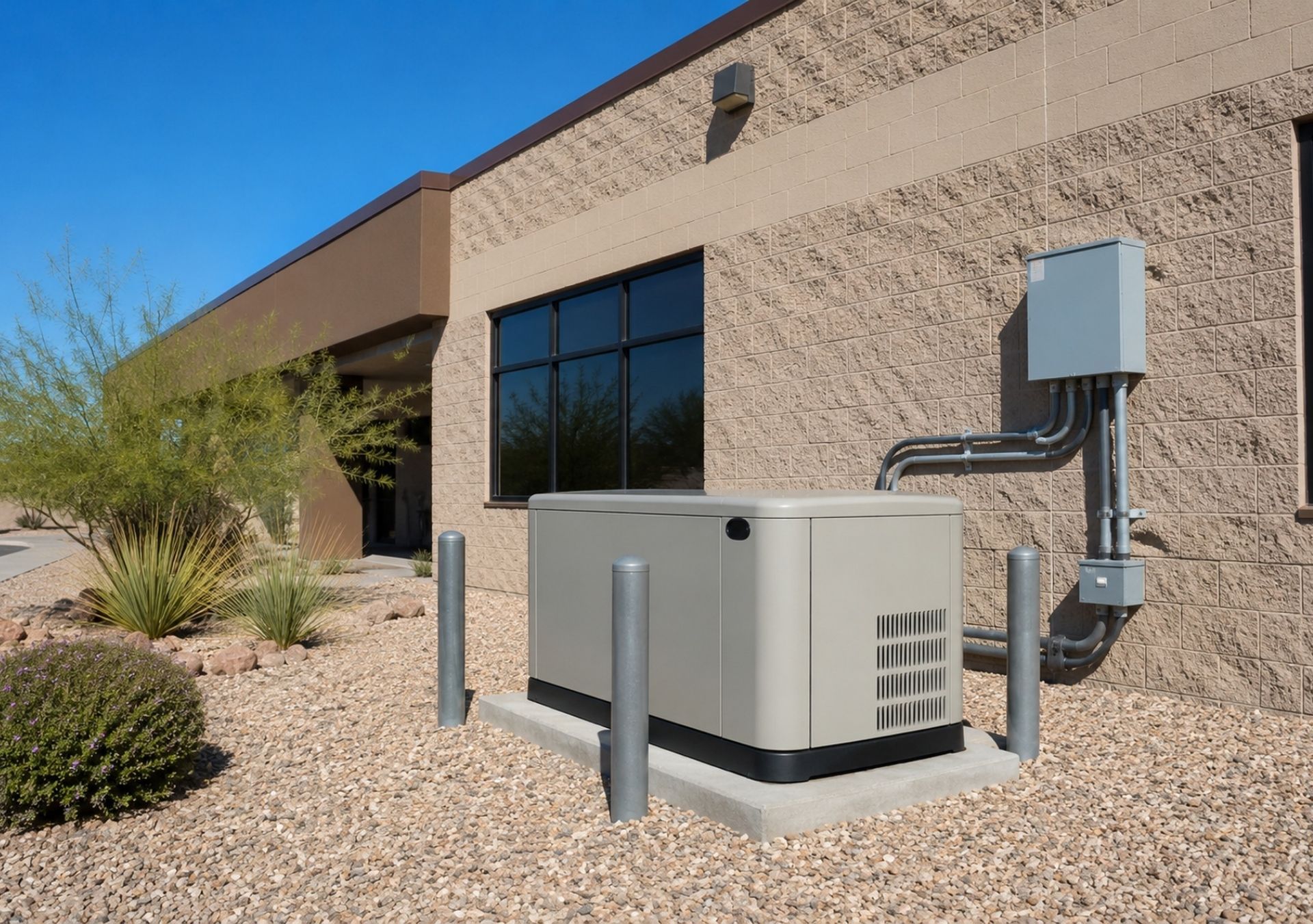
Arizona's generator installation industry has grown steadily as homeowners and businesses prepare for extreme heat events, monsoon-related outages, and increasing demand on the state's power grid. If you run a contracting business that installs or services generators, your risk profile is different from a typical electrician or general contractor. You're hauling heavy equipment across job sites, wiring into existing electrical panels, calculating load requirements, and sometimes working with natural gas or propane fuel lines. A single mistake can result in property damage, bodily injury, or even a fire.
That's why understanding your insurance needs isn't optional: it's a business survival skill. This overview of Arizona
generator installation and service contractor insurance coverage is designed to help you identify the right policies, understand state requirements, and avoid the gaps that leave too many contractors exposed. Whether you're a one-person operation or running a crew of ten, the right mix of coverage protects your livelihood and your clients. The cost of
electrical contractor insurance typically ranges from $50 to $200 per month depending on your revenue, crew size, and coverage limits. Getting it wrong can cost far more.
Essential Insurance Coverages for Arizona Generator Installers
Generator work carries a unique combination of electrical, mechanical, and sometimes fuel-related hazards. Your insurance portfolio needs to reflect that reality. A standard business owner's policy might cover some basics, but it won't address the specialized risks you face on every job. Here's a breakdown of the core coverages you should carry.
General Liability for Site Accidents
General liability (GL) is the foundation of any contractor's insurance program. It covers third-party bodily injury and property damage that occur because of your work. Picture this: you're installing a standby generator at a residential property, and a trench you dug for conduit collapses near a walkway, injuring a visitor. Your GL policy responds to that claim.
For generator contractors, common GL claims include damage to a client's existing electrical system during installation, injuries to bystanders from equipment or debris, and property damage caused by vibration or exhaust placement. Most Arizona clients and general contractors require you to carry at least $1 million per occurrence and $2 million aggregate. Some commercial projects demand higher limits. The cost of a GL policy for electrical and generator contractors varies based on payroll, revenue, and claims history, but expect to budget $1,500 to $4,000 annually for a small to mid-sized operation.
Professional Liability for Load Calculations
This is where generator contractors face a risk that many overlook. Professional liability, sometimes called errors and omissions (E&O) insurance, covers claims arising from your professional judgment and recommendations. If you size a generator incorrectly and a client's critical systems fail during an outage, that's a professional liability claim, not a general liability one.
Load calculation errors are the most frequent trigger. A restaurant owner who loses $30,000 in refrigerated inventory because you recommended a generator that couldn't handle the full electrical load will come after your business. E&O also covers claims related to improper transfer switch recommendations, code compliance advice, and maintenance protocols you provided. Policies typically start around $1,000 per year for small contractors.
Inland Marine for Transporting Equipment
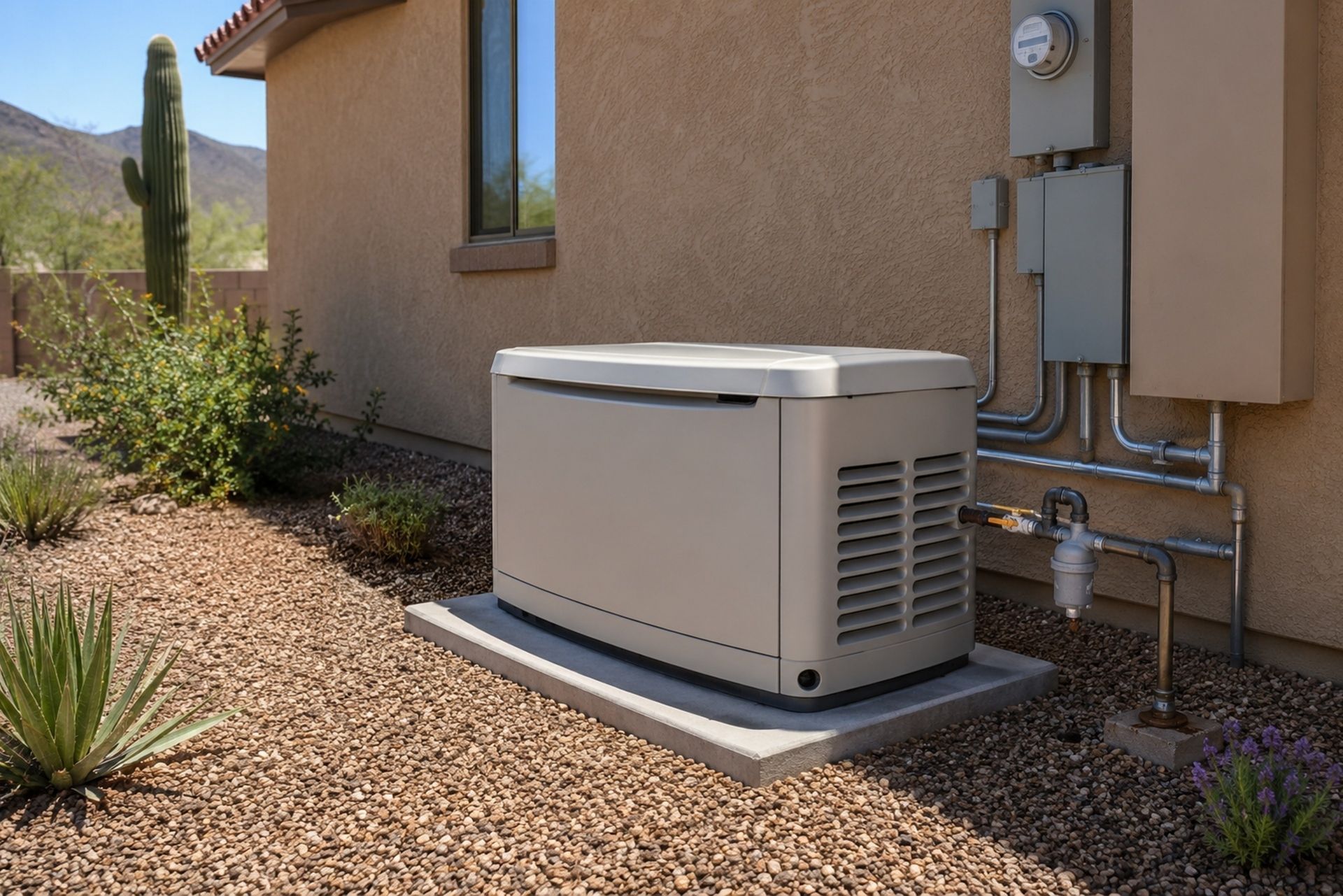
Generators are expensive, heavy, and constantly in transit. A 22kW standby unit can cost $5,000 to $7,000 wholesale, and you might have several on a flatbed at any given time. Standard commercial auto insurance covers the vehicle, but it doesn't cover the cargo. That's where inland marine insurance comes in.
Inland marine policies protect goods and equipment while they're being transported or temporarily stored at a job site. If your trailer is stolen from a parking lot overnight or a generator falls off during transport, this policy pays for the replacement. Given Arizona's long driving distances between jobs, especially if you serve rural areas outside Phoenix or Tucson, this coverage is essential.
Arizona State Requirements and Licensing Mandates
Arizona has specific requirements for contractors that go beyond simply buying insurance. Understanding the distinction between bonding and insurance, and knowing when workers' compensation kicks in, keeps you compliant and protects your license.
ROC Bond vs. Liability Insurance
Every contractor working in Arizona needs a license from the Registrar of Contractors (ROC), and that license requires a surety bond. The ROC contractor license bond is not insurance. It's a financial guarantee that you'll follow state laws and fulfill your contractual obligations. If you don't, a client can file a claim against your bond, and you're personally responsible for repaying the surety company.
Bond amounts for residential contractors are typically $5,000, while commercial and dual-licensed contractors may need $10,000 or more. The bond protects the public, not you. Your liability insurance, on the other hand, protects your business from covered claims. You need both. The bond requirements and application process can be completed relatively quickly, but don't confuse having a bond with being fully insured. They serve completely different purposes.
Workers' Compensation for Multi-Person Crews
Arizona law requires workers' compensation insurance for any business with one or more employees. If you're a true sole proprietor with no employees, you're exempt, though carrying a policy voluntarily is still smart. The moment you hire a helper, apprentice, or office manager, you need coverage.
Here's some good news for Arizona contractors: workers' compensation rates
decreased by an average of 6.7% effective January 1, 2026, marking the 12th consecutive year of rate decreases in the state. That trend makes coverage more affordable than it's been in over a decade. Generator installation involves lifting heavy equipment, working with live electrical systems, and operating in Arizona's extreme heat, so injury claims are a real possibility. Workers' comp covers medical expenses and lost wages for injured employees, and it shields you from personal lawsuits.
Comparing Coverage: General Liability vs. Professional Liability
Many contractors assume their general liability policy covers everything. It doesn't. The distinction between GL and professional liability matters, and misunderstanding it is one of the most common mistakes generator contractors make. Here's a side-by-side comparison:
| Feature | General Liability | Professional Liability (E&O) |
|---|---|---|
| What it covers | Bodily injury, property damage to third parties | Errors in professional judgment, advice, or design |
| Example claim | Client trips over conduit at job site | Generator undersized due to incorrect load calculation |
| Trigger | Physical harm or damage | Financial loss from your professional services |
| Typical limit | $1M per occurrence / $2M aggregate | $500K to $1M per claim |
| Required by clients? | Almost always | Often required for commercial projects |
| Approximate annual cost | $1,500 - $4,000 | $1,000 - $2,500 |
The key distinction: GL responds to physical incidents, while E&O responds to mistakes in your work product or professional recommendations. A generator that catches fire due to faulty wiring is likely a GL claim. A generator that simply can't handle the load you promised is an E&O claim. Carrying both policies eliminates a dangerous gap.
Protecting Your Specialized Generator Equipment
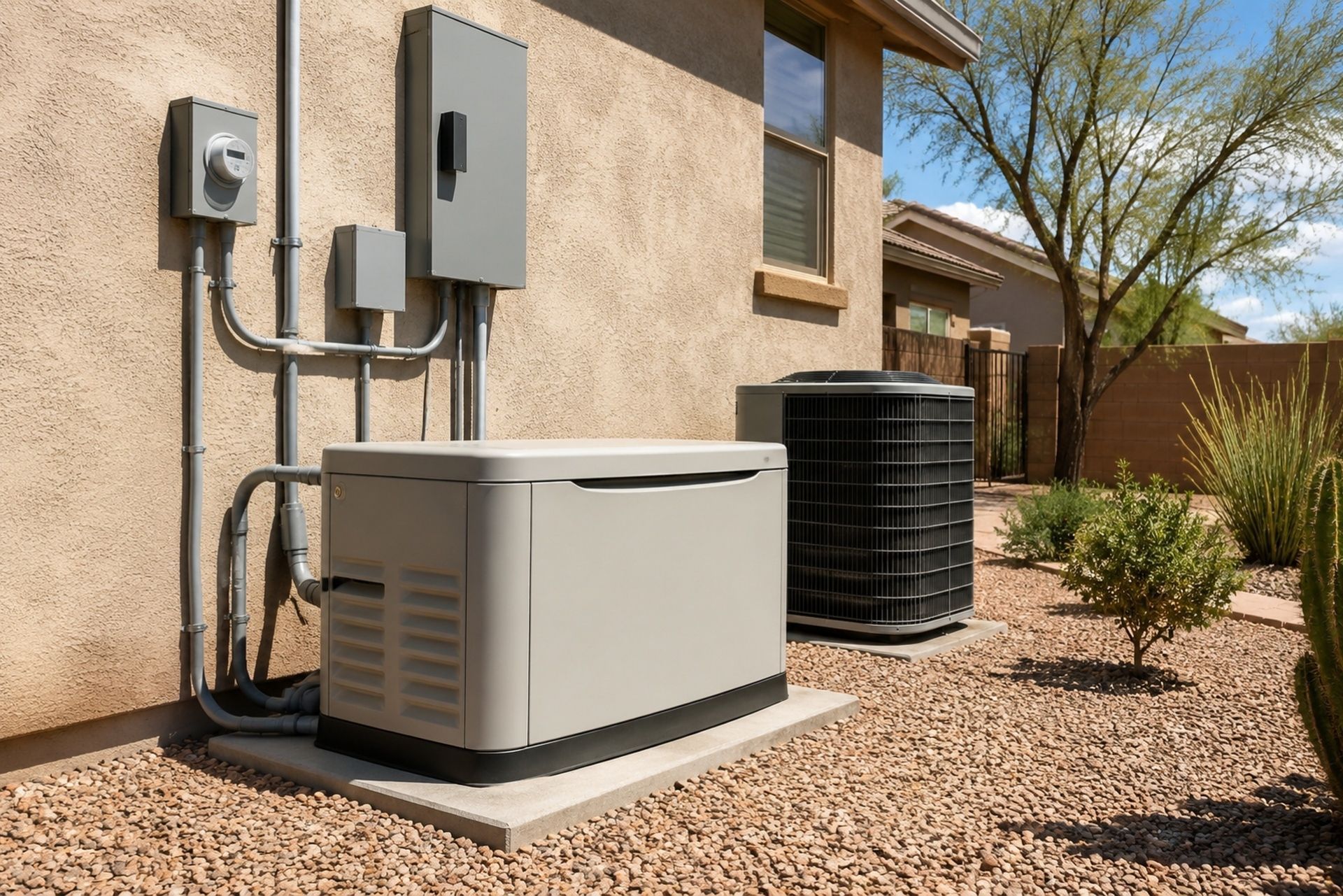
Your tools, vehicles, and inventory represent a significant investment. Losing them to theft, fire, or an accident could shut your business down for weeks or months.
Commercial Auto for Service Fleets
If you own work trucks, vans, or trailers, personal auto insurance won't cover them during business use. Commercial auto insurance is required for any vehicle used in your contracting operations. It covers collision damage, liability from accidents, and medical payments for injured parties.
Generator contractors often drive large trucks capable of hauling units that weigh 500 pounds or more. Your commercial auto policy should reflect the size of your vehicles and the value of what you're towing. Make sure your policy includes hired and non-owned auto coverage if employees ever use their personal vehicles for work errands. Construction spending in the U.S. has surpassed $2 trillion, and more projects mean more time on the road for service contractors.
Tools and Equipment Floaters
A tools and equipment floater, sometimes called a contractor's equipment policy, covers your owned tools and portable equipment regardless of location. Your cordless impact drivers, multimeters, conduit benders, load testing equipment, and specialty tools add up fast. If your work van is broken into or a job site storage container is burglarized, this policy covers the replacement cost.
Standard property insurance usually covers items at your business location only. A floater follows your equipment wherever it goes: to job sites, in transit, or stored at a client's property. For a generator contractor, this is especially relevant because you're rarely working from a single fixed location. Premiums are typically based on the total value of equipment you want to insure, and deductibles tend to be low.
Frequently Asked Questions About Generator Insurance
Do I need pollution liability insurance for generator work? If you install or service generators that run on diesel, natural gas, or propane, pollution liability is worth considering. Fuel spills and exhaust-related claims aren't always covered under standard GL policies. Pollution liability policies cover cleanup costs and third-party claims from contamination events.
How much does a full insurance package cost for a small generator contractor in Arizona? A small operation with one to three employees can expect to pay between $5,000 and $12,000 annually for a package that includes GL, workers' comp, commercial auto, and an equipment floater. Your exact premium depends on revenue, claims history, and coverage limits.
Can I use my personal auto insurance for my work truck? No. Personal auto policies exclude vehicles used for business purposes. If you're hauling generators or driving to job sites, you need commercial auto coverage. Using personal insurance for work-related driving can result in a denied claim.
Is professional liability really necessary if I'm just installing, not designing? Yes. Even installation-only contractors make professional recommendations: which generator size to use, where to place it, how to configure the transfer switch. If those recommendations cause a client financial harm, you're exposed without E&O coverage.
What happens if I let my ROC bond lapse? Your contractor's license becomes inactive, and you can't legally perform work in Arizona. Reinstating a lapsed bond requires paying any outstanding premiums and potentially re-applying with the ROC. It's not worth the risk.
Does my
generator technician insurance cover warranty work?
Most GL and E&O policies cover claims arising from warranty service, but read your policy carefully. Some insurers exclude callbacks or warranty repairs unless specifically endorsed.
Getting the right insurance coverage for your Arizona generator installation and service business doesn't have to be overwhelming. Start by auditing your current policies against the coverages outlined here. Look specifically for gaps in professional liability, inland marine, and equipment floaters, as these are the areas where generator contractors are most commonly underinsured.
Get quotes from at least three insurers or brokers who specialize in contractor coverage. A generalist agent may not understand the specific risks of generator work, and that lack of knowledge often leads to policies with exclusions you didn't know existed. Ask each broker to explain what's excluded, not just what's covered.
Keep your ROC bond current, maintain your workers' comp policy as your crew grows, and review your coverage annually as your revenue and equipment inventory change. Arizona's insurance market is favorable right now, with declining workers' comp rates and competitive options for
construction firms across the state. The best time to lock in solid coverage is before you need to file a claim.
About The Author:
Taylor Whatcott
As President of Wilde Wealth Insurance Services, I’m committed to providing trusted protection for both families and businesses across Arizona. Our independent team works with top-rated carriers to deliver tailored, comprehensive coverage—making insurance simple, accessible, and hassle-free.
Contact Us
Commercial Coverage Solutions
Protect Your Business with the Right Insurance
We offer customized insurance solutions to safeguard your business from financial risks. Our policies provide protection for property, employees, and liability concerns.
Commercial Property Insurance
Safeguards buildings, equipment, and inventory from damage or loss.
Professional Liability Insurance
Covers claims of negligence, errors, or omissions in services.
Cyber Liability Insurance
Protects against data breaches, cyberattacks, and online threats.
Who We Protect
Insurance Solutions for Your Industry
We specialize in providing tailored coverage for businesses in key industries. Our policies are designed to meet industry-specific risks and ensure complete protection.


Protection for Your Home & Assets
Reliable Coverage for Life’s Unexpected Moments
We provide personal insurance solutions designed to safeguard your home, vehicle, and financial well-being. Our policies ensure you and your loved ones are protected.







What Our Clients Say
Real Feedback. Real Confidence.
FAQs
Answers to Common Insurance Questions
How do I know which insurance coverage is right for me?
Choosing the right insurance depends on your personal or business needs. Our team evaluates your risks and recommends tailored coverage to protect what matters most.
We work with multiple carriers to provide different policy options. This allows you to compare benefits, limits, and pricing to make an informed choice.
If you’re unsure, we’ll walk you through the options step by step, ensuring you understand your coverage and feel confident in your decision.
Why should I choose an independent insurance agency like Wilde Wealth?
As an independent agency, we are not tied to a single insurance provider. This means we can compare multiple policies to find the best coverage at the best price.
Our goal is to advocate for you, ensuring you receive personalized service and expert advice tailored to your situation.
Unlike direct insurers, we offer ongoing support, helping you with claims, policy changes, and future coverage needs.
Can I bundle multiple insurance policies to save money?
Yes! Bundling policies like home and auto can lead to significant savings. Many carriers offer discounts for combining multiple coverages.
Bundling also simplifies policy management, with a single point of contact and streamlined renewals.
We help you explore bundling options to ensure you get the best value while maintaining the protection you need.
What factors affect my insurance rates?
Insurance rates are influenced by factors such as coverage limits, location, claims history, and risk exposure. Personal insurance may consider credit scores, driving history, and home value.
For businesses, factors like industry type, employee count, and annual revenue can impact pricing. Each carrier evaluates risk differently.
We shop multiple providers to find the best balance of coverage and cost, ensuring you don’t overpay while staying fully protected.
How does Wilde Wealth Insurance Services help business owners?
We provide customized business insurance solutions to protect against liability, property damage, employee-related risks, and cyber threats.
Our team works with a range of industries, including contractors, restaurants, and real estate professionals, to offer tailored policies.
From small startups to established enterprises, we help business owners minimize risks and keep operations running smoothly.
What happens if I need to file a claim?
Filing a claim is simple with our support. Contact us first, and we’ll guide you through the process, ensuring all necessary information is submitted correctly.
We work directly with your insurance carrier to expedite the claim, keeping you informed at every step.
Our team is here to advocate for you, making sure you receive a fair and timely resolution.
Latest Articles & Insights
Stay Informed with Expert Insurance Advice
We provide valuable insights to help you make informed insurance decisions. Explore our latest articles on coverage options, industry trends, and risk management tips.


Contact Us