
Arizona Commercial Door Contractor Insurance
See How We're Different:
or Call Us:(480) 526-3222
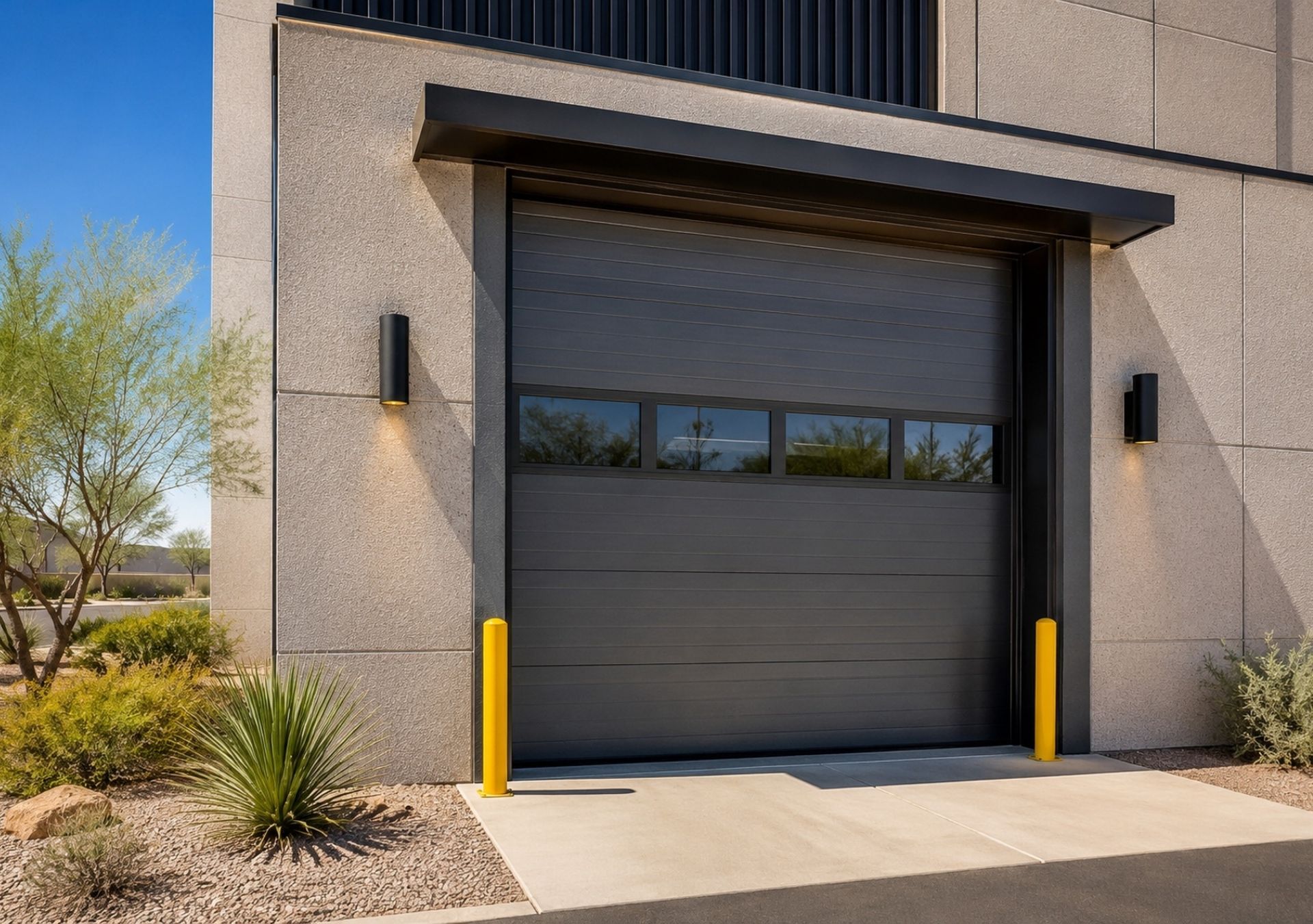
Running a commercial door installation business in Arizona means dealing with risks that most general contractors never think about. A fire-rated door hung incorrectly can create life-safety liability that follows your company for years. A crew member drops a 300-pound hollow metal frame on a client's finished floor, and you're looking at a claim that could wipe out a quarter's revenue. These aren't hypothetical scenarios: they're the kinds of calls insurance agents in the Phoenix metro area field regularly from door and hardware contractors.
This insurance guide for Arizona
commercial door and hardware installer contractors exists because your trade has specific exposures that generic construction policies often miss. Whether you're a two-person crew handling tenant improvement projects or a 15-employee operation running fire door inspections across Maricopa County, your coverage needs careful attention. The
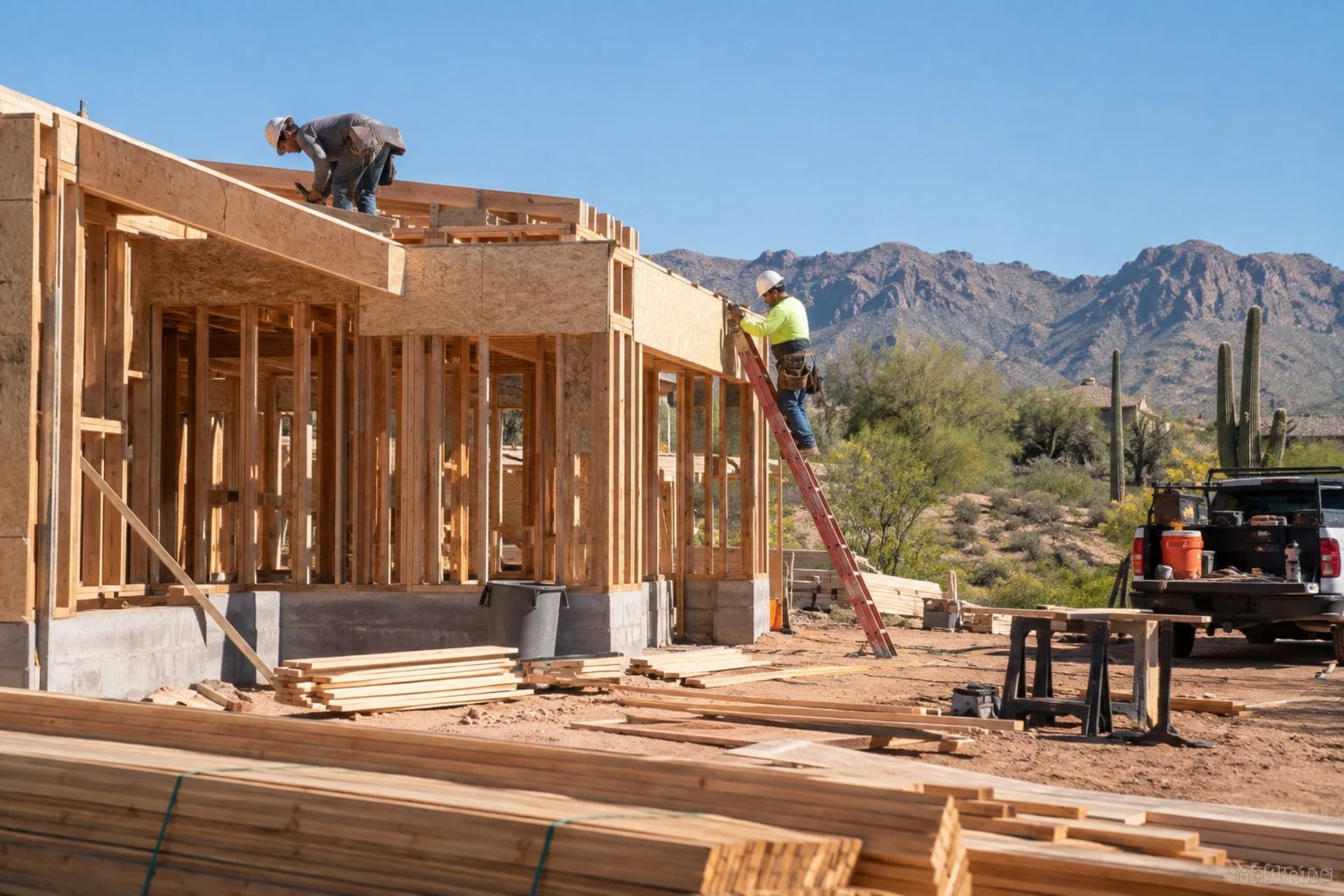
Phoenix construction sector continues to tighten across multiple segments, which means more projects, more subcontractor agreements, and more insurance requirements showing up in bid packages. Getting your coverage right isn't just about compliance: it's about staying in business when something goes wrong.
Essential Insurance Coverage for Arizona Door Professionals
Commercial door contractors face a unique blend of installation liability, product failure risk, and on-site property damage exposure. Your insurance program needs to reflect the actual work you do, not just check a box on a general contractor's subcontractor qualification form.
Most commercial door companies need at minimum four core policies: general liability, commercial auto, inland marine, and workers' compensation. The exact limits and endorsements depend on the types of doors you install (hollow metal, aluminum storefront, fire-rated, automatic openers) and the settings you work in (hospitals, schools, data centers, retail). A company installing automatic sliding doors at a hospital has a very different risk profile than one hanging standard hollow metal frames in a warehouse.
Your clients will often dictate minimum coverage requirements in their subcontractor agreements. Expect to see $1 million per occurrence and $2 million aggregate general liability limits as a baseline. Many general contractors and property managers now require $5 million umbrella policies as well.
General Liability for Installation and Repair Risks
General liability is the foundation of any commercial door contractor's insurance program. It covers third-party bodily injury and property damage arising from your operations, both while you're on the job site and after you leave.
Here's where door contractors get caught off guard: standard GL policies include completed operations coverage, but the limits and exclusions matter enormously. If you install a pair of fire-rated doors and the closer fails six months later, allowing a fire to spread through a corridor, your completed operations coverage is what responds. The 2026 construction insurance market shows rising premiums for specialty trades, partly because claims from completed work have increased across the industry.
Common GL claims for door contractors include damage to finished walls during frame installation, injuries to building occupants from improperly secured doors, and water intrusion around exterior door assemblies. Make sure your policy doesn't exclude the specific type of installation work you perform.
Commercial Auto for Mobile Service Fleets
Most commercial door companies operate as mobile businesses, sending crews and materials to job sites daily. Your personal auto policy won't cover accidents that happen during work, and a single serious collision with a loaded service van can generate six-figure claims fast.
Commercial auto policies cover your owned vehicles, but you also need to think about hired and non-owned auto coverage. If an employee runs an errand in their personal vehicle during work hours and causes an accident, your business could be pulled into the lawsuit. Hired and non-owned auto fills that gap.
For companies with multiple service vans carrying heavy door frames and hardware, consider higher liability limits than the state minimum. Arizona requires $25,000 per person and $50,000 per accident in bodily injury liability, but those minimums won't come close to covering a serious multi-vehicle accident on the I-10.
Inland Marine Coverage for Tools and Hardware
Your tools, equipment, and materials spend most of their life in transit or on job sites, not sitting in a warehouse. Standard commercial property policies typically cover items at your business premises, but they often exclude or severely limit coverage for property in transit or at temporary locations.
Inland marine insurance fills this gap. For a commercial door contractor, this means coverage for your power tools, installation equipment, door hardware inventory on your truck, and materials stored at a job site before installation. A contractor's equipment floater, a common type of inland marine policy, can cover everything from your drill presses and welding equipment to the $15,000 worth of panic hardware sitting in your van.
One thing to keep in mind: inland marine policies often require a detailed equipment schedule. Keep your list updated as you buy new tools or retire old ones.
Arizona State Requirements and ROC Compliance
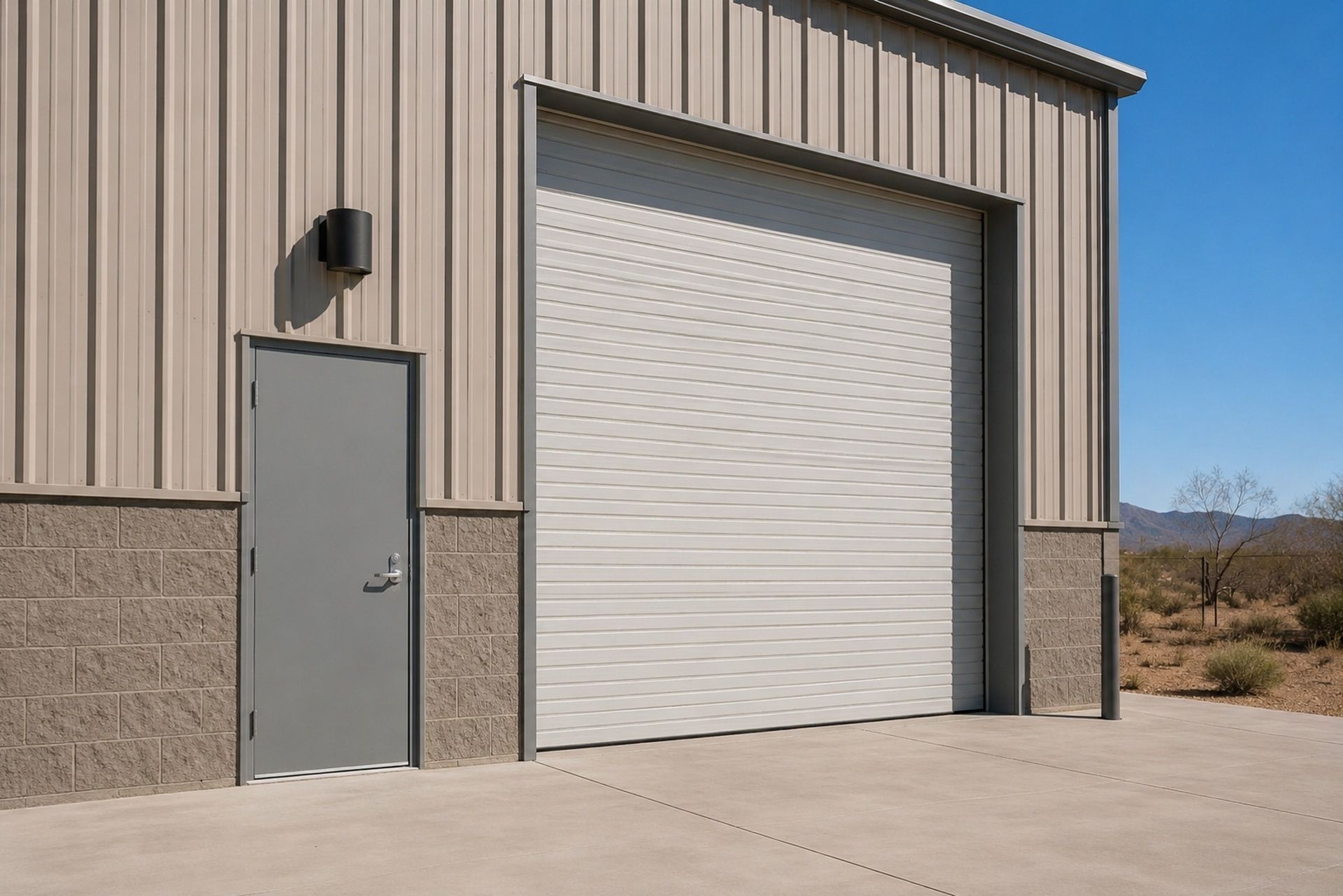
Arizona's Registrar of Contractors (ROC) governs contractor licensing, and commercial door installers fall under specific license classifications. Operating without proper licensing and insurance exposes you to fines, license suspension, and personal liability that pierces any corporate protections you've set up.
Arizona classifies contractors into residential and commercial categories with specific trade designations. Commercial door and hardware installers typically need a CR-60 (finish carpentry) or a similar classification depending on the scope of work. Your ROC license application requires proof of insurance, and maintaining that coverage is a condition of keeping your license active.
The ROC actively investigates complaints and can audit your insurance status. If your policy lapses, your insurer notifies the ROC, and your license can be suspended. That suspension shows up on public records and can cost you existing contracts.
Workers' Compensation Laws for Small Crews
Arizona requires workers' compensation insurance for any business with one or more employees. There's no small-crew exemption. If you have even a single W-2 employee, you need a workers' comp policy.
Sole proprietors and LLC members can exempt themselves from coverage, but this is a risky move in a trade where injuries are common. Door installation involves heavy lifting, working on ladders, using power tools, and operating in active construction zones. A back injury from lifting a hollow metal frame can generate $50,000 or more in medical bills and lost wages.
Your workers' comp rates depend on your classification code and experience modification rate. Door installation typically falls under NCCI code 5437 (carpentry) or a similar classification, with rates that reflect the physical nature of the work. Arizona's contractor licensing framework ties directly to your ability to demonstrate proper employee coverage.
Surety Bonds vs. Liability Insurance
Contractors new to the licensing process often confuse surety bonds with liability insurance. They serve completely different purposes, and you need both.
A surety bond protects the public and your clients if you fail to fulfill your contractual obligations or violate licensing laws. It's essentially a guarantee that you'll follow the rules. Arizona requires contractor license bonds, with amounts varying by license classification. If a homeowner or business files a valid claim against your bond, the surety company pays the claim and then comes after you for reimbursement.
Liability insurance, on the other hand, protects your business from third-party claims for bodily injury or property damage. Your GL policy pays claims and defense costs on your behalf. The bond is a regulatory requirement; insurance is your financial safety net. You can't substitute one for the other.
Comparing Coverage Needs: Basic vs. Comprehensive Plans
Not every door contractor needs the same coverage package. A solo operator doing service calls and hardware replacements has different exposures than a full-service installation company running multiple crews.
The right approach is building coverage in layers. Start with the policies Arizona requires (workers' comp, surety bond) and the policies your clients require (GL, commercial auto). Then evaluate your specific risks to determine whether you need inland marine, professional liability, cyber liability, or umbrella coverage.
Comparison Table: Standard vs. Extended Coverage Limits
| Coverage Type | Basic Plan | Comprehensive Plan |
|---|---|---|
| General Liability | $1M per occurrence / $2M aggregate | $2M per occurrence / $4M aggregate |
| Commercial Auto | State minimum ($50K BI) | $1M combined single limit |
| Inland Marine | $25,000 equipment limit | $100,000+ with scheduled items |
| Workers' Comp | Statutory minimums only | Statutory + employer's liability $1M |
| Umbrella/Excess | None | $2M-$5M excess liability |
| Professional Liability | Not included | $1M for design-assist projects |
| Cyber Liability | Not included | $500K for data breach/ransomware |
The basic plan meets minimum compliance requirements. The comprehensive plan protects against the claims that actually put companies out of business: the $800,000 fire door failure lawsuit, the $400,000 auto accident, the six-figure workers' comp claim.
Managing Risks Specific to Commercial Door Systems
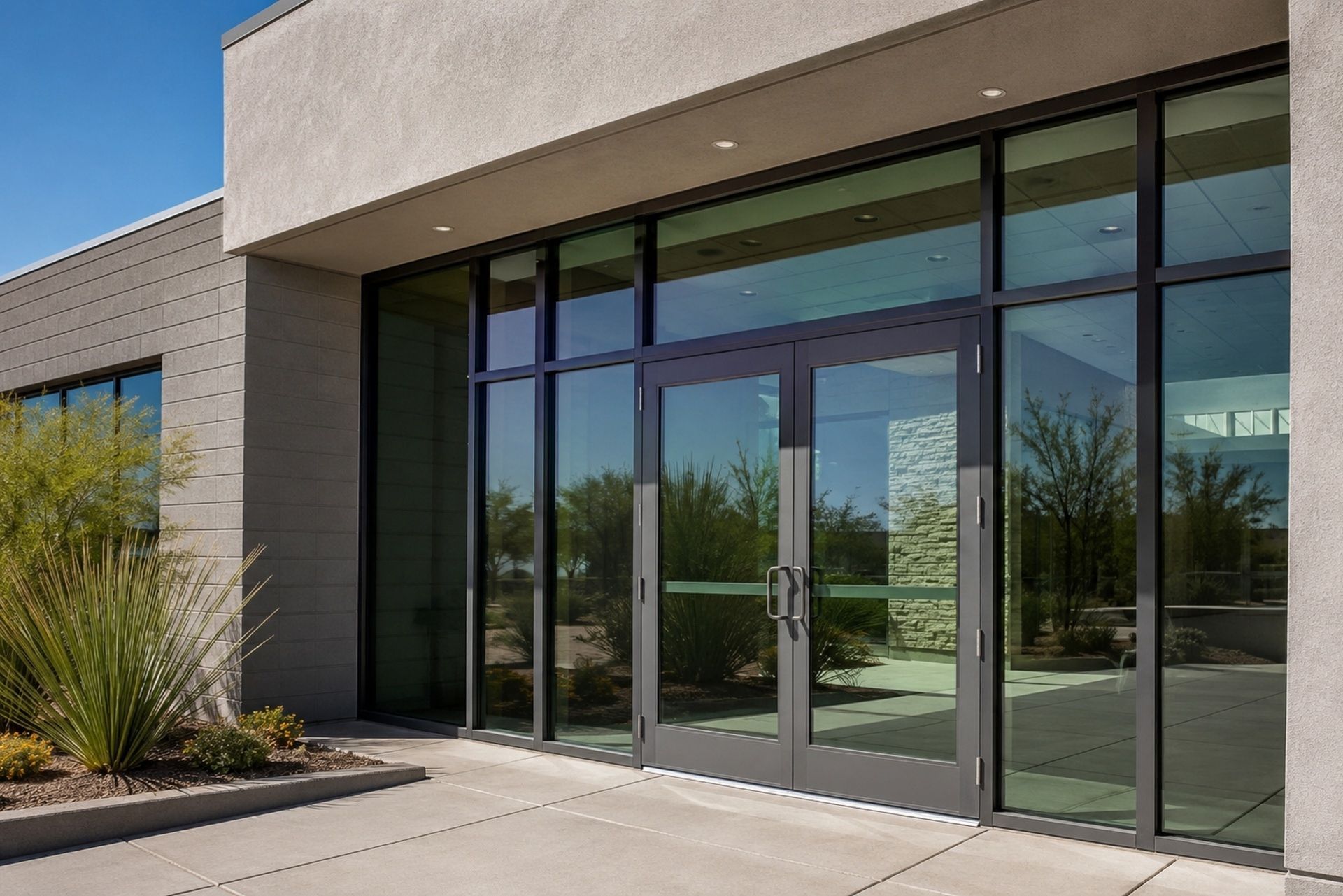
Commercial door work carries risks that set it apart from general carpentry or finish work. The products you install are life-safety components, access control barriers, and fire protection assemblies. When they fail, the consequences extend well beyond property damage.
Your risk management strategy should combine proper insurance coverage with operational best practices: documented installation procedures, manufacturer training certifications, and quality control checklists. Insurance is your financial backstop, but preventing claims in the first place saves you from premium increases and deductible payments.
Completed Operations and Product Liability
Completed operations coverage protects you after you leave the job site. Product liability covers claims arising from defective products you install. For door contractors, these two coverages overlap in important ways.
If you install a door closer that fails and injures someone, the claim could come to you as a completed operations claim (your installation was faulty) or a product liability claim (the closer was defective). Your GL policy should cover both, but check for exclusions related to the specific products you install. Some policies exclude claims arising from fire-rated assemblies or automatic door operators unless specifically endorsed.
Keep detailed records of every installation: manufacturer, model numbers, date of installation, and any testing performed. These records are your best defense when a claim surfaces three years after the job.
Fire Door Inspection and Certification Liability
Fire door inspection and certification work creates a distinct liability exposure. When you certify that a fire door assembly meets NFPA 80 requirements, you're putting your professional judgment on the line. If that door fails during a fire and your inspection is called into question, you could face claims that your GL policy may not fully cover.
Professional liability or errors and omissions (E&O) insurance fills this gap. It covers claims arising from your professional services, including inspections, certifications, and design-assist recommendations. Not every door contractor needs E&O coverage, but if you're performing annual fire door inspections, it's a smart investment.
The catch is that E&O policies are claims-made, meaning they only cover claims reported while the policy is active. If you cancel your E&O policy, you lose coverage for past inspections unless you purchase tail coverage.
Common Questions About Door Contractor Insurance
How much does general liability insurance cost for a small door installation company in Arizona? Expect to pay between $2,500 and $6,000 annually for a $1M/$2M GL policy, depending on your revenue, claims history, and the types of doors you install. Fire-rated and automatic door work typically costs more to insure.
Can I use a general contractor's insurance instead of carrying my own? No. A GC's policy covers their liability, not yours. If you cause damage or injury on their job site, their insurer will come after you for reimbursement. You need your own coverage.
Do I need separate insurance for fire door inspections? If you're only installing doors, your GL policy likely covers you. If you're certifying fire door assemblies under NFPA 80, consider adding professional liability coverage to protect against inspection-related claims.
What happens if my insurance lapses while I hold an ROC license? Your insurer notifies the ROC, and your license can be suspended. Reinstatement requires proof of new coverage and potentially additional fees. Working without a valid license exposes you to fines and personal liability.
Is an umbrella policy worth the cost? For most commercial door contractors doing over $500,000 in annual revenue, yes. Umbrella policies typically cost $1,000-$3,000 per year for $1M-$2M in additional coverage. That's cheap protection against a catastrophic claim.
Protecting Your Business Assets Long-Term
Building the right insurance program for your Arizona door and hardware contracting business isn't a one-time task. Your coverage should evolve as your company grows, takes on new types of work, or enters new markets. Review your policies annually with an agent who understands construction trades, not just someone selling generic business insurance.
The contractors who survive long-term are the ones who treat insurance as a core business expense, not an afterthought. Get your ROC compliance locked down, carry limits that match your actual risk exposure, and don't cut corners on completed operations or inland marine coverage to save a few hundred dollars a year. A single uninsured claim can cost more than a decade of premiums. Talk to a construction-focused insurance broker who can tailor your Arizona commercial door contractor insurance to the work you actually do, and make sure every policy is in place before your next bid goes out.
About The Author:
Taylor Whatcott
As President of Wilde Wealth Insurance Services, I’m committed to providing trusted protection for both families and businesses across Arizona. Our independent team works with top-rated carriers to deliver tailored, comprehensive coverage—making insurance simple, accessible, and hassle-free.
Contact Us
Commercial Coverage Solutions
Protect Your Business with the Right Insurance
We offer customized insurance solutions to safeguard your business from financial risks. Our policies provide protection for property, employees, and liability concerns.
Commercial Property Insurance
Safeguards buildings, equipment, and inventory from damage or loss.
Professional Liability Insurance
Covers claims of negligence, errors, or omissions in services.
Cyber Liability Insurance
Protects against data breaches, cyberattacks, and online threats.
Who We Protect
Insurance Solutions for Your Industry
We specialize in providing tailored coverage for businesses in key industries. Our policies are designed to meet industry-specific risks and ensure complete protection.




Protection for Your Home & Assets
Reliable Coverage for Life’s Unexpected Moments
We provide personal insurance solutions designed to safeguard your home, vehicle, and financial well-being. Our policies ensure you and your loved ones are protected.







What Our Clients Say
Real Feedback. Real Confidence.
FAQs
Answers to Common Insurance Questions
How do I know which insurance coverage is right for me?
Choosing the right insurance depends on your personal or business needs. Our team evaluates your risks and recommends tailored coverage to protect what matters most.
We work with multiple carriers to provide different policy options. This allows you to compare benefits, limits, and pricing to make an informed choice.
If you’re unsure, we’ll walk you through the options step by step, ensuring you understand your coverage and feel confident in your decision.
Why should I choose an independent insurance agency like Wilde Wealth?
As an independent agency, we are not tied to a single insurance provider. This means we can compare multiple policies to find the best coverage at the best price.
Our goal is to advocate for you, ensuring you receive personalized service and expert advice tailored to your situation.
Unlike direct insurers, we offer ongoing support, helping you with claims, policy changes, and future coverage needs.
Can I bundle multiple insurance policies to save money?
Yes! Bundling policies like home and auto can lead to significant savings. Many carriers offer discounts for combining multiple coverages.
Bundling also simplifies policy management, with a single point of contact and streamlined renewals.
We help you explore bundling options to ensure you get the best value while maintaining the protection you need.
What factors affect my insurance rates?
Insurance rates are influenced by factors such as coverage limits, location, claims history, and risk exposure. Personal insurance may consider credit scores, driving history, and home value.
For businesses, factors like industry type, employee count, and annual revenue can impact pricing. Each carrier evaluates risk differently.
We shop multiple providers to find the best balance of coverage and cost, ensuring you don’t overpay while staying fully protected.
How does Wilde Wealth Insurance Services help business owners?
We provide customized business insurance solutions to protect against liability, property damage, employee-related risks, and cyber threats.
Our team works with a range of industries, including contractors, restaurants, and real estate professionals, to offer tailored policies.
From small startups to established enterprises, we help business owners minimize risks and keep operations running smoothly.
What happens if I need to file a claim?
Filing a claim is simple with our support. Contact us first, and we’ll guide you through the process, ensuring all necessary information is submitted correctly.
We work directly with your insurance carrier to expedite the claim, keeping you informed at every step.
Our team is here to advocate for you, making sure you receive a fair and timely resolution.
Latest Articles & Insights
Stay Informed with Expert Insurance Advice
We provide valuable insights to help you make informed insurance decisions. Explore our latest articles on coverage options, industry trends, and risk management tips.

Contact Us