
Arizona Retaining Wall Contractor Insurance
See How We're Different:
or Call Us:(480) 526-3222
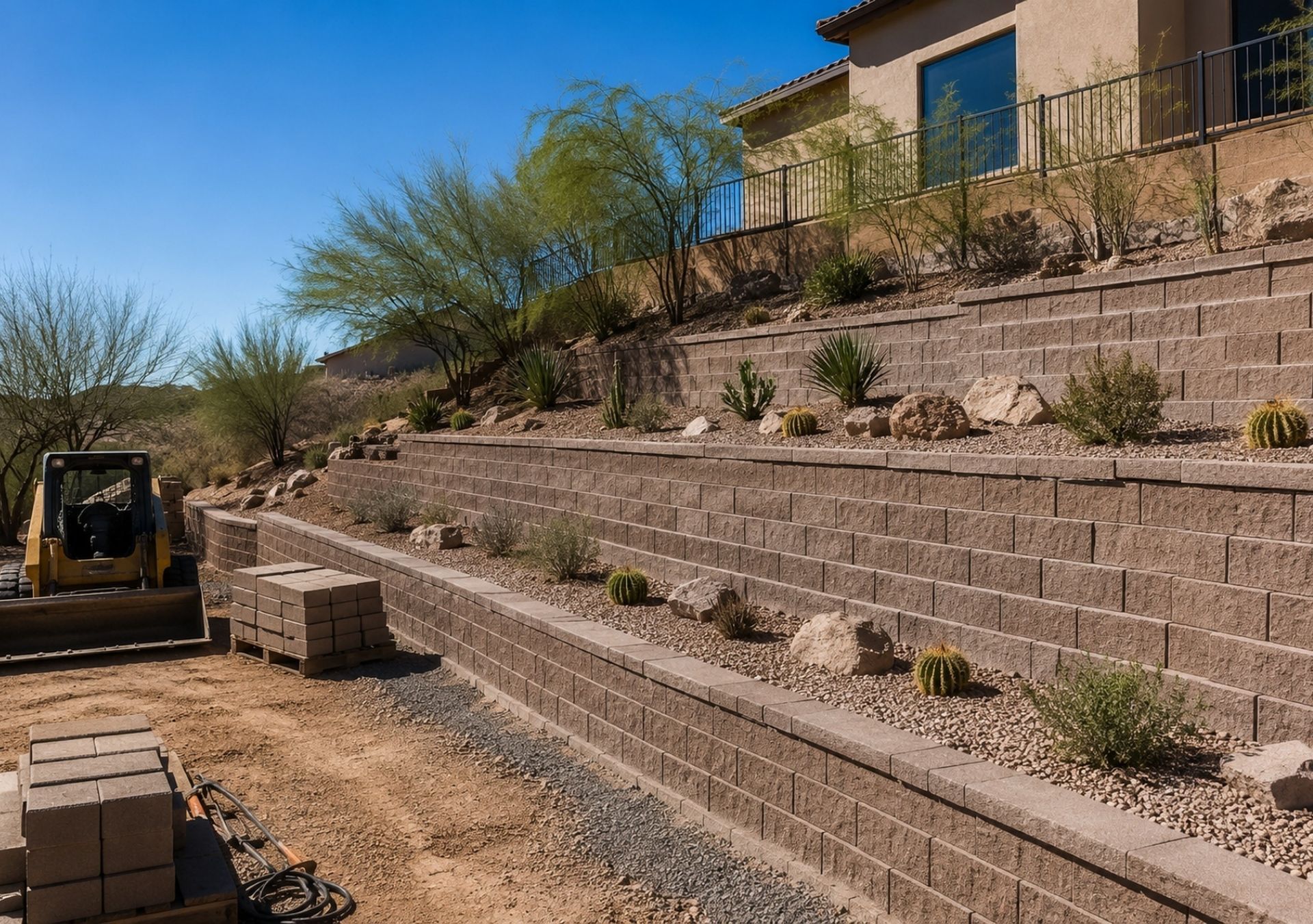
Building retaining walls in Arizona means working with unpredictable desert soils, extreme heat cycles, and slopes that can shift without warning. A single wall failure can trigger property damage claims that run well into six figures, and without the right insurance, your contracting business absorbs every dollar of that loss. Whether you're constructing gravity walls in Scottsdale or reinforced block systems in Tucson, your insurance portfolio needs to reflect the specific hazards of Arizona hardscape work.
This guide breaks down the insurance coverage and costs that Arizona retaining wall builders actually need, not the generic policies brokers push on every contractor. You'll find details on state licensing requirements through the Registrar of Contractors, the specific policy types that protect against soil-related claims, and how to structure coverage so you're not overpaying or underinsured. Arizona's
construction insurance market has shifted in 2026, with premiums rising across several categories while new options have emerged for specialty contractors. Understanding those shifts can save you thousands annually and keep your ROC license in good standing.
Essential Insurance Coverages for Arizona Retaining Wall Projects
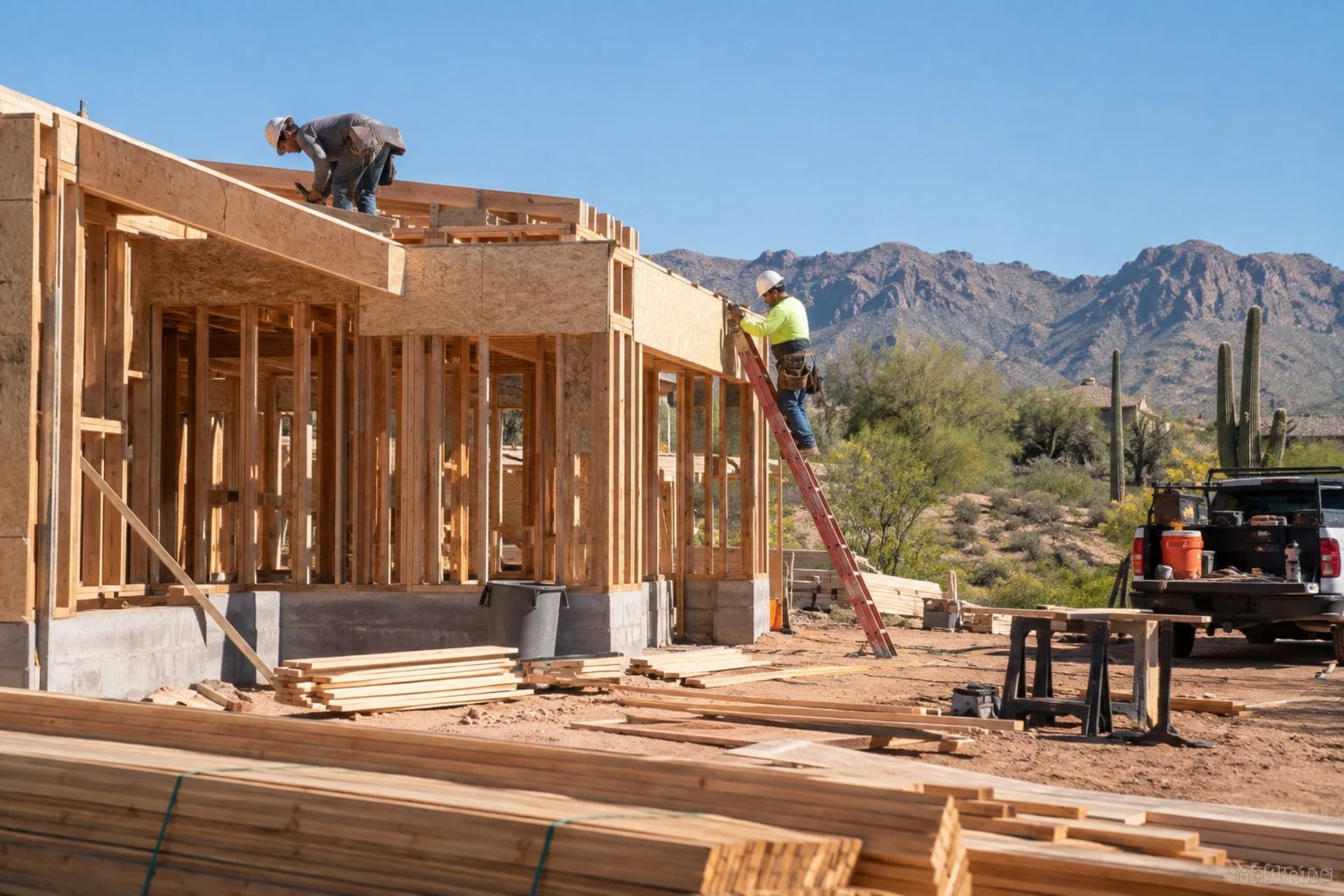
Retaining wall contractors face a distinct mix of risks that general contractors don't always share. Your walls hold back earth, redirect water flow, and support structures above and below grade. When something goes wrong, the damage tends to cascade: a failed wall doesn't just fall over, it takes landscaping, driveways, foundations, and sometimes entire hillsides with it.
That's why a single general liability policy rarely covers everything. You need a layered approach that accounts for property damage during construction, design errors that show up months later, and the expensive equipment sitting on your job sites. The three core coverages below form the foundation of any responsible insurance plan for this trade.
General Liability for Property Damage and Bodily Injury
General liability (GL) is your first line of defense and the policy most clients and general contractors will ask about before you set foot on a job site. It covers third-party bodily injury and property damage that occurs during your operations. If a delivery of CMU blocks damages a neighbor's fence, or a visitor trips over rebar on your site, GL responds.
Arizona GL premiums for contractors typically range from $500 to $2,000 annually depending on your revenue, claims history, and the specific work you perform. Retaining wall builders often land on the higher end because the work involves excavation, heavy materials, and proximity to existing structures. Most policies carry $1 million per occurrence and $2 million aggregate limits, though larger commercial projects may require higher thresholds.
One thing to keep in mind: GL alone won't cover damage that appears after you've finished the job. That's a separate coverage called completed operations, which we'll address later.
Professional Liability for Engineering and Design Errors
If you provide any design input on retaining wall projects, even informal recommendations about wall height, drainage placement, or geogrid spacing, you're exposed to professional liability claims. A wall that leans, cracks, or fails due to a design flaw can generate claims that GL won't touch.
Professional liability (also called errors and omissions) covers the cost of defending against and settling claims related to your professional judgment. In Arizona, where expansive clay soils and caliche layers create tricky engineering conditions, design-related failures are more common than many contractors realize. Premiums typically run $1,200 to $3,500 per year for small to mid-size retaining wall firms.
Even if you work with a licensed engineer, you can still be named in a lawsuit if the client argues you deviated from the plans or made on-site modifications. Carrying your own professional liability policy keeps you from depending entirely on someone else's coverage.
Inland Marine Coverage for Specialized Earthmoving Equipment
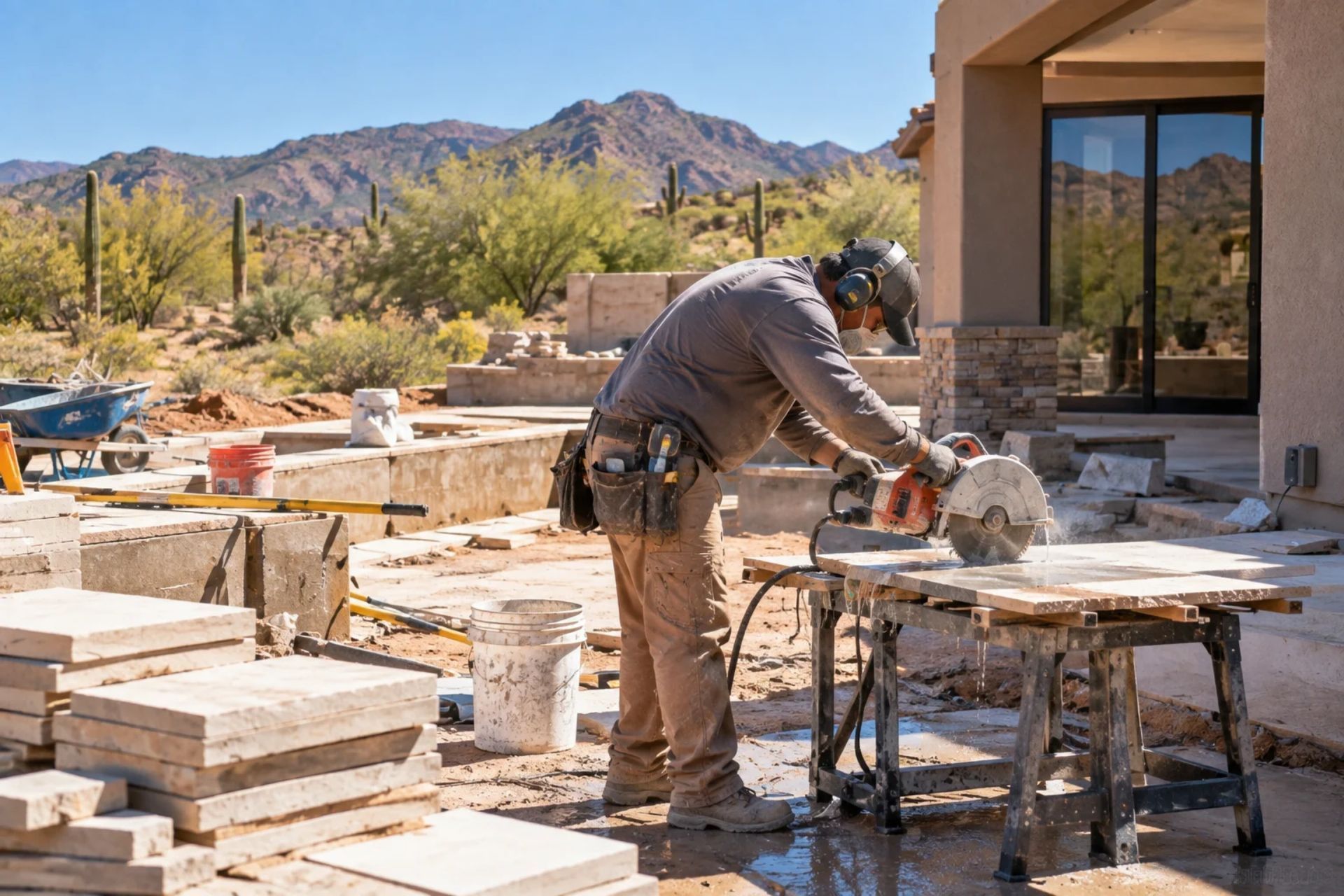
Your mini excavators, skid steers, compactors, and laser levels aren't covered by standard property insurance once they leave your shop. Inland marine insurance protects tools and equipment in transit and on job sites, which is exactly where your most expensive gear spends most of its time.
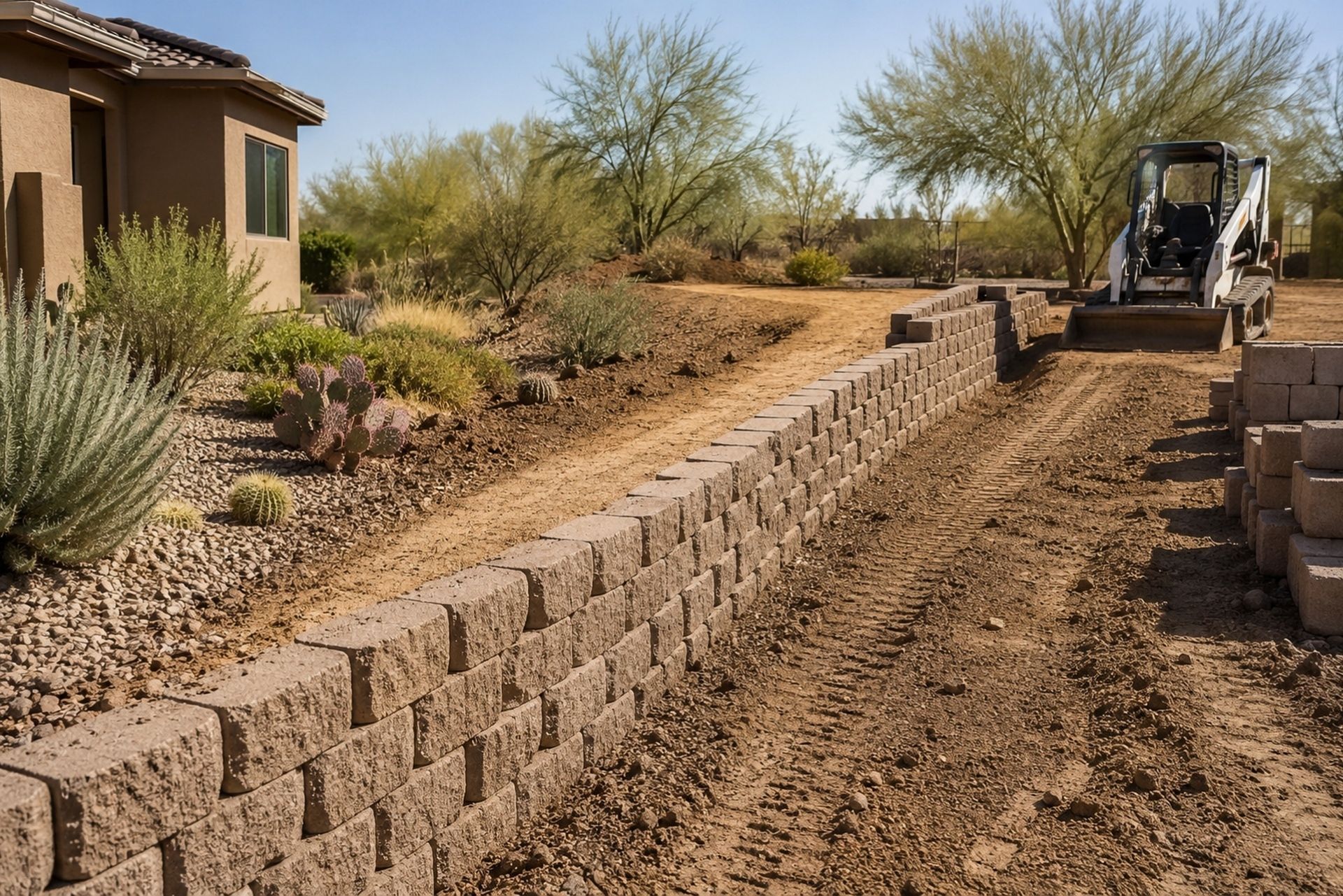
A single Bobcat or compact excavator can cost $40,000 to $80,000 to replace. Theft from construction sites remains a persistent problem across the Phoenix metro area, and Arizona's open desert terrain makes it easy for stolen equipment to disappear quickly. Inland marine premiums depend on the total value of your scheduled equipment but generally cost 1% to 3% of the insured value annually.
Arizona State Requirements and ROC Compliance
Arizona's Registrar of Contractors (ROC) enforces strict licensing and insurance requirements for anyone performing retaining wall work. Operating without proper credentials exposes you to fines, license suspension, and personal liability that no insurance policy will cover.
Workers' Compensation Laws for Construction Crews
Arizona law requires workers' compensation insurance for every employer, with no minimum employee threshold. If you have even one W-2 employee, you need a workers' comp policy. The penalties for non-compliance include fines up to $1,000 per day and potential criminal charges.
For retaining wall crews, workers' comp classification codes typically fall under masonry or excavation categories, which carry higher rates due to the physical nature of the work. Expect to pay between $5 and $12 per $100 of payroll depending on your specific classification and experience modification rate. A clean safety record can reduce your premiums significantly over time.
Sole proprietors and LLC members can exempt themselves from workers' comp requirements, but doing so means your own medical bills after a job-site injury come entirely out of pocket. Many experienced contractors carry coverage on themselves anyway because one back injury from lifting block can cost more than a decade of premiums.
Surety Bonds vs. Liability Insurance Obligations
New contractors often confuse surety bonds with insurance, but they serve completely different purposes. Your ROC license requires a contractor's bond, which protects the public if you fail to complete a project or violate your contract. The bond doesn't protect you; it protects your customers, and the bonding company can come after you for reimbursement if they pay out a claim.
Arizona requires residential and commercial contractors to hold a license with the ROC, and bonding is part of that licensing package. Bond amounts vary by license classification and the dollar value of projects you intend to take on. Liability insurance, by contrast, protects your business assets from third-party claims and is a separate requirement from bonding.
You need both. Skipping either one puts your license at risk and leaves gaps that could bankrupt a small operation after a single incident.
Comparing Coverage: Basic vs. Comprehensive Protection
Not every retaining wall contractor needs the same coverage stack. A one-person operation building small residential walls has different exposure than a crew of twelve handling commercial site retention. The comparison below shows what a basic package covers versus a comprehensive one.
Comparison Table: Coverage Limits and Risk Mitigation
| Coverage Type | Basic Package | Basic Package |
|---|---|---|
| General Liability | $1M per occurrence / $2M aggregate | $2M per occurrence / $4M aggregate |
| Professional Liability | Not included | $1M per claim |
| Inland Marine | $50,000 equipment limit | $250,000+ scheduled equipment |
| Workers' Compensation | State minimum | State minimum + employer's liability |
| Completed Operations | Limited or excluded | Included with 5-10 year tail |
| Umbrella Policy | Not included | $1M-$5M excess liability |
| Estimated Annual Cost | $3,000-$6,000 | $10,000-$22,000 |
The basic package works for small residential jobs with limited equipment exposure. The comprehensive package is what you'll need for commercial work, projects involving engineered walls over four feet, or any situation where you're working near existing structures. The 2026 construction insurance market has seen
rate increases across several commercial lines, making it worth shopping multiple carriers rather than auto-renewing.
Unique Risks for Arizona Hardscape Contractors
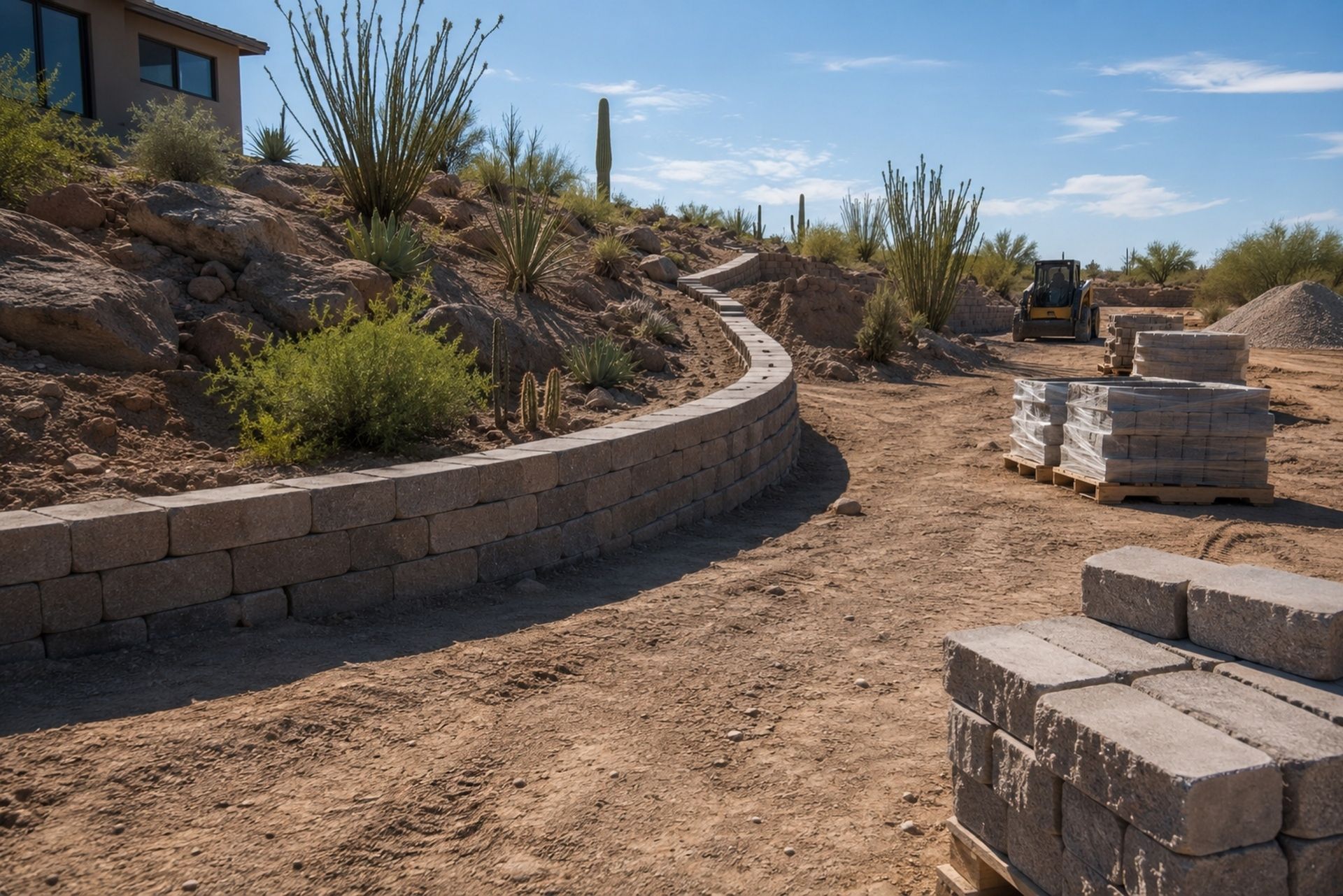
Arizona's environment creates hazards that contractors in other states rarely encounter. Your insurance needs to account for these regional factors, or you'll discover gaps at the worst possible time.
Soil Conditions and Subsidence Coverage
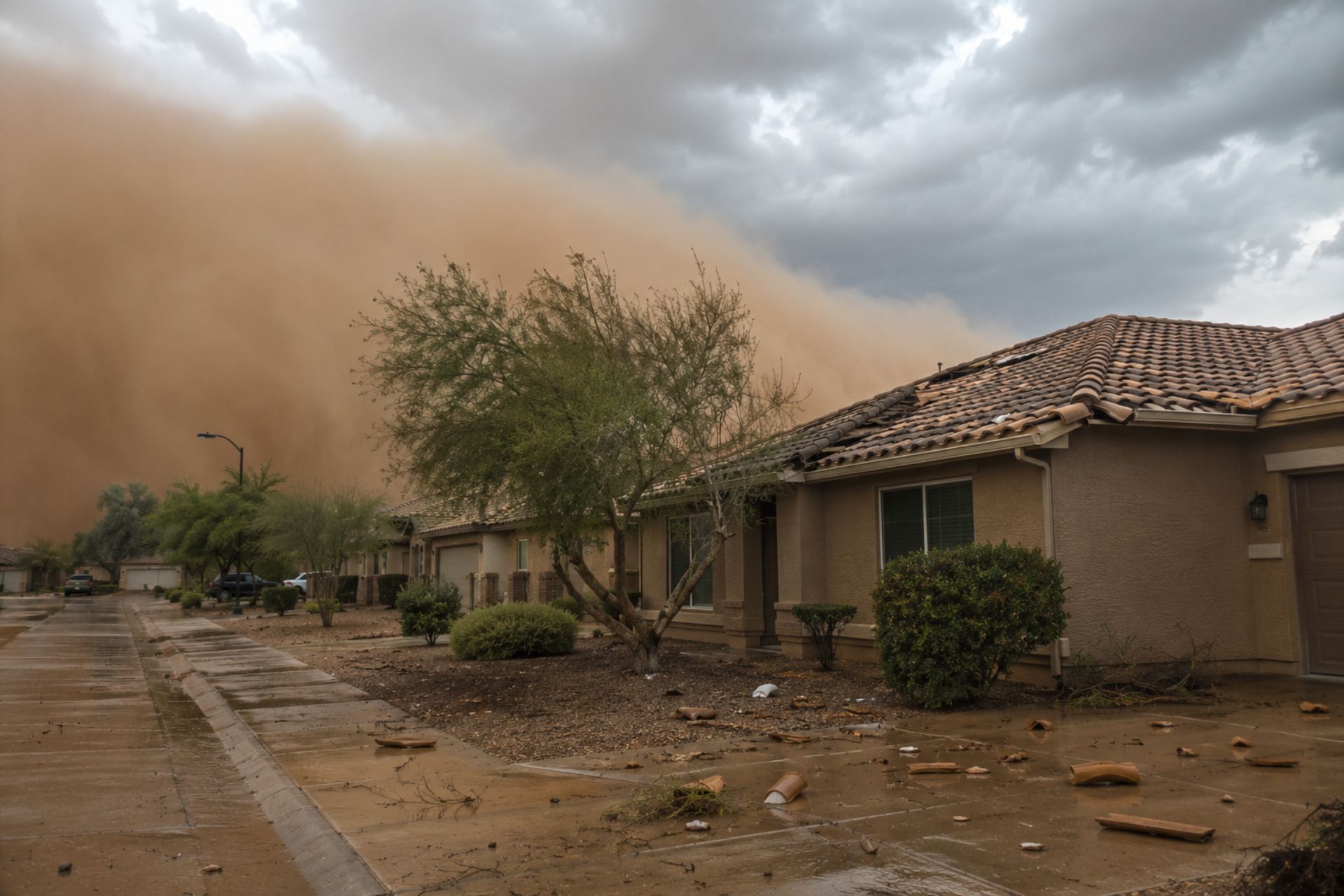
Expansive soils are the silent threat behind many retaining wall failures in Arizona. Bentonite clay, common throughout the Phoenix and Tucson basins, can swell 10% or more when saturated during monsoon season. That swelling exerts lateral pressure on walls that weren't designed to handle it, leading to cracking, tilting, and outright collapse.
Standard GL policies often exclude earth movement and subsidence. You may need a specific endorsement or a separate policy to cover claims arising from soil-related failures. Some carriers offering contractor-specific insurance in Arizona now include optional subsidence riders, but they come with higher deductibles and sub-limits.
The catch is that if a homeowner's retaining wall fails two years after you built it and the cause traces back to soil conditions you should have anticipated, you're looking at a construction defect claim that could exceed your standard policy limits.
Completed Operations and Construction Defect Claims
Arizona's statute of limitations for construction defect claims extends up to eight years from substantial completion. That means a wall you build in 2026 could generate a lawsuit as late as 2034. Completed operations coverage, which is often included within your GL policy but sometimes capped or excluded, pays for damage caused by your finished work.
Retaining wall defect claims are especially expensive because the remediation often involves full demolition, re-engineering, and rebuilding, plus repairing whatever the failed wall damaged. Average construction defect claims in Arizona's residential market regularly exceed $50,000, and commercial claims can reach well into six figures.
Make sure your completed operations coverage doesn't sunset after one or two years. You want a policy that matches Arizona's statute of limitations window, or you're self-insuring during the years when claims are most likely to surface.
Frequently Asked Questions
How much does general liability insurance cost for Arizona retaining wall contractors? Most retaining wall builders pay between $800 and $2,500 annually for GL coverage. Your exact premium depends on annual revenue, crew size, claims history, and whether you work residential or commercial projects.
Do I need insurance to get an Arizona ROC contractor's license? Yes. The ROC requires proof of liability insurance and a surety bond as part of the licensing process for residential and commercial contractors. You can't activate your license without both.
Does my general liability policy cover equipment theft? No. GL covers third-party injuries and property damage, not your own equipment. You need inland marine insurance to protect tools and machinery on job sites and in transit.
What happens if I operate without workers' comp in Arizona? You face fines of up to $1,000 per day, potential criminal prosecution, and personal liability for any employee injuries. The Industrial Commission of Arizona actively investigates uninsured employers.
Should I carry an umbrella policy? If you're working on projects near homes, pools, or commercial structures, an umbrella policy provides excess liability above your GL and auto limits. For retaining wall contractors doing jobs over $100,000, it's a smart investment.
Protecting Your Business Bottom Line
The right insurance coverage for your Arizona retaining wall business isn't about checking boxes for the ROC. It's about making sure a single bad claim doesn't wipe out years of hard work. Soil failures, design disputes, and construction defect lawsuits are real risks in this trade, and they hit hardest when you're underinsured.
Start by getting your GL, workers' comp, and surety bond in place to meet state requirements. Then assess your actual exposure: the value of your equipment, the complexity of your projects, and how long Arizona law allows claims against your finished work. Build your coverage around those realities, not around the cheapest quote you can find.
Request quotes from at least three carriers that specialize in
Arizona contractor insurance and understand the retaining wall trade. A broker who knows the difference between a gravity wall and a cantilevered system will structure your policy far better than one who lumps you in with general handyman contractors. Your insurance should fit your work as precisely as your walls fit the grade.
About The Author:
Taylor Whatcott
As President of Wilde Wealth Insurance Services, I’m committed to providing trusted protection for both families and businesses across Arizona. Our independent team works with top-rated carriers to deliver tailored, comprehensive coverage—making insurance simple, accessible, and hassle-free.
Contact Us
Commercial Coverage Solutions
Protect Your Business with the Right Insurance
We offer customized insurance solutions to safeguard your business from financial risks. Our policies provide protection for property, employees, and liability concerns.
Commercial Property Insurance
Safeguards buildings, equipment, and inventory from damage or loss.
Professional Liability Insurance
Covers claims of negligence, errors, or omissions in services.
Cyber Liability Insurance
Protects against data breaches, cyberattacks, and online threats.
Who We Protect
Insurance Solutions for Your Industry
We specialize in providing tailored coverage for businesses in key industries. Our policies are designed to meet industry-specific risks and ensure complete protection.



Protection for Your Home & Assets
Reliable Coverage for Life’s Unexpected Moments
We provide personal insurance solutions designed to safeguard your home, vehicle, and financial well-being. Our policies ensure you and your loved ones are protected.







What Our Clients Say
Real Feedback. Real Confidence.
FAQs
Answers to Common Insurance Questions
How do I know which insurance coverage is right for me?
Choosing the right insurance depends on your personal or business needs. Our team evaluates your risks and recommends tailored coverage to protect what matters most.
We work with multiple carriers to provide different policy options. This allows you to compare benefits, limits, and pricing to make an informed choice.
If you’re unsure, we’ll walk you through the options step by step, ensuring you understand your coverage and feel confident in your decision.
Why should I choose an independent insurance agency like Wilde Wealth?
As an independent agency, we are not tied to a single insurance provider. This means we can compare multiple policies to find the best coverage at the best price.
Our goal is to advocate for you, ensuring you receive personalized service and expert advice tailored to your situation.
Unlike direct insurers, we offer ongoing support, helping you with claims, policy changes, and future coverage needs.
Can I bundle multiple insurance policies to save money?
Yes! Bundling policies like home and auto can lead to significant savings. Many carriers offer discounts for combining multiple coverages.
Bundling also simplifies policy management, with a single point of contact and streamlined renewals.
We help you explore bundling options to ensure you get the best value while maintaining the protection you need.
What factors affect my insurance rates?
Insurance rates are influenced by factors such as coverage limits, location, claims history, and risk exposure. Personal insurance may consider credit scores, driving history, and home value.
For businesses, factors like industry type, employee count, and annual revenue can impact pricing. Each carrier evaluates risk differently.
We shop multiple providers to find the best balance of coverage and cost, ensuring you don’t overpay while staying fully protected.
How does Wilde Wealth Insurance Services help business owners?
We provide customized business insurance solutions to protect against liability, property damage, employee-related risks, and cyber threats.
Our team works with a range of industries, including contractors, restaurants, and real estate professionals, to offer tailored policies.
From small startups to established enterprises, we help business owners minimize risks and keep operations running smoothly.
What happens if I need to file a claim?
Filing a claim is simple with our support. Contact us first, and we’ll guide you through the process, ensuring all necessary information is submitted correctly.
We work directly with your insurance carrier to expedite the claim, keeping you informed at every step.
Our team is here to advocate for you, making sure you receive a fair and timely resolution.
Latest Articles & Insights
Stay Informed with Expert Insurance Advice
We provide valuable insights to help you make informed insurance decisions. Explore our latest articles on coverage options, industry trends, and risk management tips.

Contact Us