
Arizona Septic System Installer & Service Contractor Insurance
See How We're Different:
or Call Us:(480) 526-3222
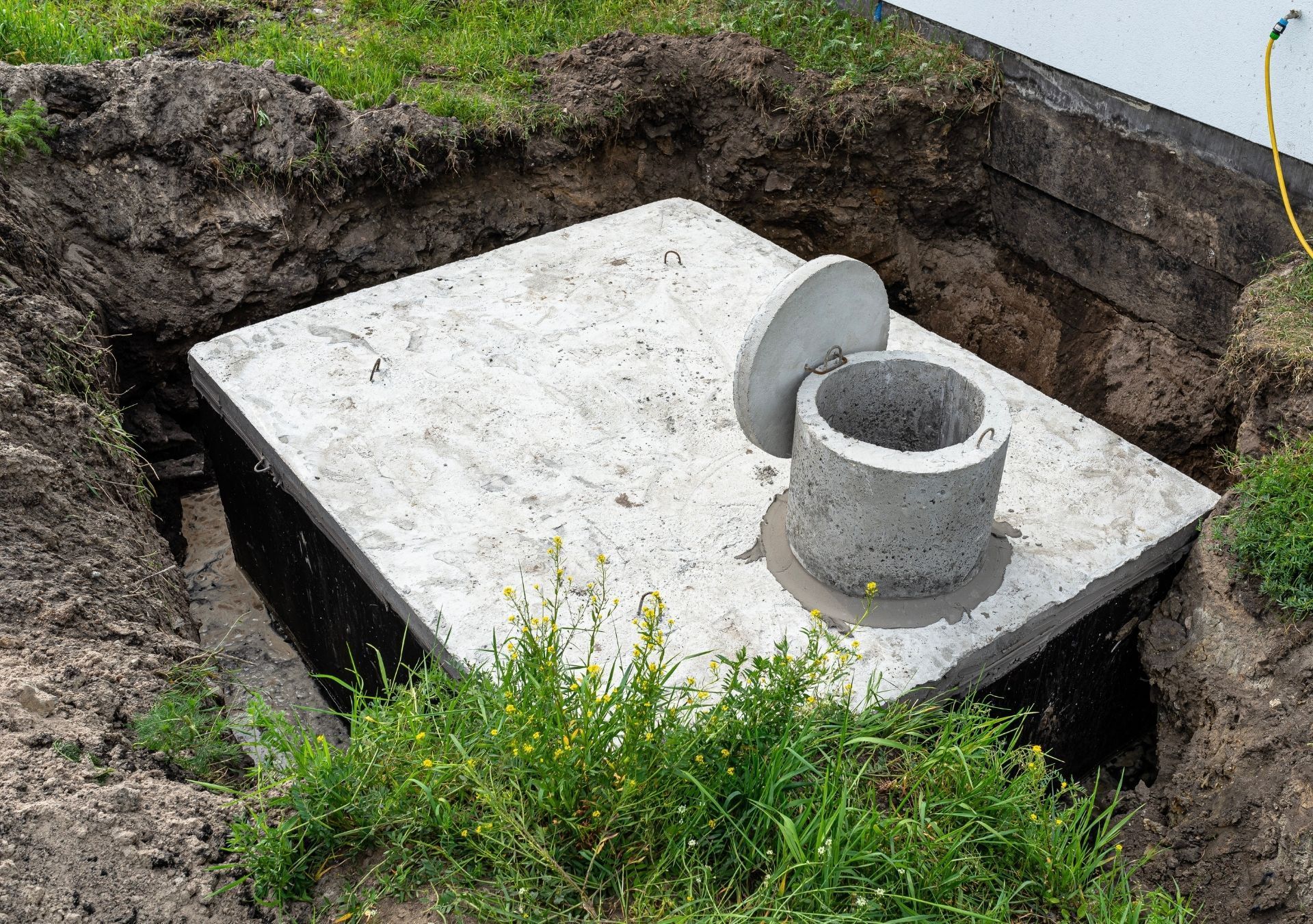
Running a septic installation or service business in Arizona means working with
heavy equipment, handling wastewater, and digging near
underground utilities every single day. A single mishap on the job can lead to property damage claims, environmental violations, or lawsuits that threaten everything you've built. The U.S. septic tanks market is
projected to grow from $1.06 billion in 2024 to $1.39 billion by 2032, which means more competition, more projects, and more exposure to risk. Whether you're a one-truck operation pumping tanks in Maricopa County or a full-service installer working across the state, understanding your insurance needs isn't optional. It's the difference between surviving a bad claim and closing your doors. This guide to insurance for
Arizona septic system installers and service contractors breaks down the coverage types, regulatory requirements, cost factors, and risk management strategies you need to protect your business. Getting the right policies in place now saves you from painful surprises later.
Essential Insurance Coverage for Arizona Septic Professionals
Septic contractors face a unique mix of risks that standard business insurance doesn't always cover. Your work involves excavation, wastewater handling, system design, and heavy vehicle operation, often all on the same job. Each of these activities creates distinct liability exposures that require specific policy types. Building the right insurance portfolio starts with understanding what each coverage does and why you need it.
General Liability and Pollution Liability
General liability is the foundation of any contractor's insurance program. Arizona contractors typically need minimum general liability coverage of $1,000,000 per occurrence and $2,000,000 aggregate to meet licensing and contract requirements. This policy covers third-party bodily injury, property damage, and completed operations claims. If a homeowner trips over equipment you left on their property, general liability responds.
But here's where septic work gets tricky. Standard general liability policies almost always exclude pollution-related claims. Since your entire business involves handling wastewater, you need a separate pollution liability policy or a pollution endorsement added to your general liability. A cracked tank that leaks into a neighbor's yard, a spill during pumping, or contamination from an improperly installed drainfield: none of these would be covered without pollution liability. This is the single most common coverage gap I see among septic contractors.
Professional Liability for System Design
If you design septic systems, recommend system types, or provide engineering assessments, professional liability (errors and omissions) insurance protects you from claims arising from your professional advice. A system you designed that fails prematurely, a drainfield that's undersized for the property, or a recommendation that doesn't meet code: these are professional liability claims, not general liability claims.
Many septic contractors assume their general liability policy covers design errors. It doesn't. General liability covers physical damage and bodily injury. Professional liability covers financial losses caused by your expertise or lack thereof. If you're signing off on system designs or sizing calculations, this coverage is essential.
Commercial Auto and Inland Marine Coverage
Your trucks, pump rigs, and excavation equipment spend most of their life on the road or at job sites. Arizona contractors must carry commercial auto insurance for any vehicles used in their business, and personal auto policies won't cover commercial use. A pump truck involved in an accident on the way to a job site needs commercial auto coverage to protect both the vehicle and any liability claims.
Inland marine insurance covers your tools and equipment while they're in transit or at job sites. Your backhoe, camera inspection equipment, and pumping rigs aren't covered by a
standard property policy once they leave your shop. Inland marine fills that gap, covering theft, damage, and loss wherever your equipment goes.
Arizona Licensing and Regulatory Insurance Requirements
Arizona has specific insurance and bonding requirements tied to contractor licensing. Meeting these requirements isn't just about compliance: failing to maintain proper coverage can result in license suspension, fines, and an inability to bid on projects.
ROC Surety Bond Requirements
The Arizona Registrar of Contractors (ROC) requires all licensed contractors to maintain a surety bond. Bond amounts vary based on your license classification and the dollar value of projects you take on. The surety bond protects consumers if you fail to complete a project, violate your contract, or don't meet building codes. It's not insurance for you: it's a financial guarantee for your customers.
If a claim is made against your bond, the surety company pays the claimant and then comes after you for reimbursement. Keeping a clean record with no bond claims is critical for maintaining affordable bonding rates. Your bond must stay active as long as your ROC license is active.
ADEQ Compliance and Environmental Protection
The Arizona Department of Environmental Quality enforces regulations for septic systems, also known as Onsite Wastewater Treatment Facilities (OWTFs). ADEQ sets standards for installation, maintenance, and repair of these systems, and violations can lead to significant penalties. Your insurance program needs to account for the environmental risks tied to ADEQ-regulated work.
Pollution liability coverage becomes especially important here. If an installation you performed leads to groundwater contamination, you could face both ADEQ enforcement actions and private lawsuits from affected property owners. Having proper environmental coverage helps you respond to cleanup costs and legal defense expenses that can easily reach six figures.
Workers' Compensation Laws in Arizona
Arizona requires nearly all employers to carry workers' compensation insurance, with very few exceptions. For septic contractors, workers' comp rates reflect the physical danger of the work. Costs can range between $18.50 and $35.80 per $100 of payroll, depending on your specific job classifications and experience modification rate.
Septic work involves trenching, heavy lifting, confined space entry, and exposure to biological hazards. These risk factors push workers' comp premiums higher than many other trades. That said, a strong safety program and clean claims history can significantly reduce your rates over time.
Managing Industry-Specific Risks and Liabilities
Septic contractors face hazards that most other trades don't encounter. Understanding these risks helps you choose the right coverage limits and identify gaps before a claim exposes them.
Excavation and Underground Utility Hazards
Every time you dig, you risk hitting a gas line, water main, fiber optic cable, or electrical conduit. Even with proper utility locates, unmarked lines exist. A severed gas line can lead to evacuations, property damage, and injury claims that quickly exceed basic policy limits. Your general liability policy covers most of these scenarios, but you need to verify that your limits are adequate for the potential severity.
Trench collapses are another serious concern. OSHA requires protective systems for trenches five feet or deeper, and Arizona's soil conditions vary widely. A cave-in that injures or kills a worker creates workers' comp claims, potential OSHA fines, and possible third-party lawsuits. Carrying umbrella or excess liability coverage above your primary policies provides an extra layer of protection for catastrophic events.
Septic Failure and Groundwater Contamination Claims
A system you installed five years ago backs up and floods a home. A drainfield you designed contaminates a well on an adjacent property. These are the claims that keep septic contractors up at night, and they're more common than you'd think. Completed operations coverage within your general liability policy handles claims that arise after you've finished a job, but pollution-related failures need that separate pollution policy.
Groundwater contamination claims are particularly expensive because they involve environmental testing, remediation, legal defense, and potentially long-term monitoring. One contamination event can generate claims from multiple neighboring properties. Make sure your pollution liability limits reflect this potential for cascading damages.
Factors Influencing Insurance Costs for Septic Contractors
Insurance pricing for septic businesses varies significantly based on several key factors. Understanding what drives your premiums helps you make smarter decisions about coverage and risk management.
Business Size and Annual Revenue Impact
Insurers price general liability and most other policies based partly on your annual revenue. A contractor doing $500,000 in annual revenue pays less than one doing $2 million, all else being equal. The number of employees, vehicles, and pieces of equipment you operate also affects pricing across multiple policy types.
Here's a quick comparison of typical coverage costs based on business size:
| Coverage Type | Small Operation (1-3 employees) | Mid-Size (4-10 employees) |
|---|---|---|
| General Liability | $2,500 - $5,000/year | $5,000 - $12,000/year |
| Pollution Liability | $3,000 - $7,000/year | $7,000 - $15,000/year |
| Commercial Auto | $1,800 - $4,000/year | $4,000 - $10,000/year |
| Workers' Comp | Varies by payroll | Varies by payroll |
These are rough ranges. Your actual premiums depend on claims history, coverage limits, deductibles, and the specific insurer.
Claims History and Safety Protocols
Your claims history is the single biggest factor in what you pay for insurance. Contractors with frequent claims pay dramatically more than those with clean records. Some insurers won't even quote businesses with multiple recent claims, especially pollution or workers' comp claims.
Investing in safety training, proper equipment maintenance, and documented procedures pays off directly through lower premiums. Many insurers offer credits for formal safety programs, drug testing policies, and OSHA compliance documentation. A written safety manual that your crew actually follows is worth more than any discount you'll negotiate at renewal.
Securing the Right Policy for Your Arizona Business
Managing risk in the septic industry requires more than just buying the cheapest policy you can find. As one industry resource notes, insurance is a critical component of managing risk in the septic industry, and the right coverage program protects both your assets and your ability to keep operating after a claim.
Work with an agent or broker who understands contractor insurance and has experience with environmental exposures. A generalist agent may not know to ask about pollution liability, completed operations tail coverage, or the specific endorsements that septic contractors need. Get quotes from at least three insurers, and compare not just price but coverage terms, exclusions, and claims handling reputation.
Review your policies annually as your business grows. Adding a new service truck, hiring employees, or expanding into system design work all change your risk profile. The insurance program that fit your business last year might leave dangerous gaps today.
Frequently Asked Questions
Do I need pollution liability if I only pump septic tanks? Yes. Any work involving wastewater creates pollution exposure. A spill during pumping, a hose failure, or an overflow at a disposal site can all trigger pollution claims that general liability won't cover.
Can I use my personal auto insurance for my work truck? No. Personal auto policies exclude commercial use. If you're using a vehicle for business purposes, you need a commercial auto policy. Using personal coverage for work vehicles can result in denied claims.
How much general liability coverage do I actually need? Arizona requires a minimum of $1,000,000 per occurrence and $2,000,000 aggregate for licensed contractors. Many commercial and government contracts require higher limits, so an umbrella policy is worth considering.
Does workers' comp apply if I'm a sole proprietor with no employees? Arizona doesn't require sole proprietors to carry workers' comp for themselves, but subcontractors you hire may need coverage. Many general contractors also require proof of workers' comp before they'll let you on a job site.
What's the difference between a surety bond and insurance?
A surety bond protects your customers, not you. If a claim is paid on your bond, you owe the surety company back. Insurance protects you by paying claims on your behalf without requiring repayment.
About The Author:
Taylor Whatcott
As President of Wilde Wealth Insurance Services, I’m committed to providing trusted protection for both families and businesses across Arizona. Our independent team works with top-rated carriers to deliver tailored, comprehensive coverage—making insurance simple, accessible, and hassle-free.
Contact Us
Commercial Coverage Solutions
Protect Your Business with the Right Insurance
We offer customized insurance solutions to safeguard your business from financial risks. Our policies provide protection for property, employees, and liability concerns.
Commercial Property Insurance
Safeguards buildings, equipment, and inventory from damage or loss.
Professional Liability Insurance
Covers claims of negligence, errors, or omissions in services.
Cyber Liability Insurance
Protects against data breaches, cyberattacks, and online threats.
Who We Protect
Insurance Solutions for Your Industry
We specialize in providing tailored coverage for businesses in key industries. Our policies are designed to meet industry-specific risks and ensure complete protection.



Protection for Your Home & Assets
Reliable Coverage for Life’s Unexpected Moments
We provide personal insurance solutions designed to safeguard your home, vehicle, and financial well-being. Our policies ensure you and your loved ones are protected.







What Our Clients Say
Real Feedback. Real Confidence.
FAQs
Answers to Common Insurance Questions
How do I know which insurance coverage is right for me?
Choosing the right insurance depends on your personal or business needs. Our team evaluates your risks and recommends tailored coverage to protect what matters most.
We work with multiple carriers to provide different policy options. This allows you to compare benefits, limits, and pricing to make an informed choice.
If you’re unsure, we’ll walk you through the options step by step, ensuring you understand your coverage and feel confident in your decision.
Why should I choose an independent insurance agency like Wilde Wealth?
As an independent agency, we are not tied to a single insurance provider. This means we can compare multiple policies to find the best coverage at the best price.
Our goal is to advocate for you, ensuring you receive personalized service and expert advice tailored to your situation.
Unlike direct insurers, we offer ongoing support, helping you with claims, policy changes, and future coverage needs.
Can I bundle multiple insurance policies to save money?
Yes! Bundling policies like home and auto can lead to significant savings. Many carriers offer discounts for combining multiple coverages.
Bundling also simplifies policy management, with a single point of contact and streamlined renewals.
We help you explore bundling options to ensure you get the best value while maintaining the protection you need.
What factors affect my insurance rates?
Insurance rates are influenced by factors such as coverage limits, location, claims history, and risk exposure. Personal insurance may consider credit scores, driving history, and home value.
For businesses, factors like industry type, employee count, and annual revenue can impact pricing. Each carrier evaluates risk differently.
We shop multiple providers to find the best balance of coverage and cost, ensuring you don’t overpay while staying fully protected.
How does Wilde Wealth Insurance Services help business owners?
We provide customized business insurance solutions to protect against liability, property damage, employee-related risks, and cyber threats.
Our team works with a range of industries, including contractors, restaurants, and real estate professionals, to offer tailored policies.
From small startups to established enterprises, we help business owners minimize risks and keep operations running smoothly.
What happens if I need to file a claim?
Filing a claim is simple with our support. Contact us first, and we’ll guide you through the process, ensuring all necessary information is submitted correctly.
We work directly with your insurance carrier to expedite the claim, keeping you informed at every step.
Our team is here to advocate for you, making sure you receive a fair and timely resolution.
Latest Articles & Insights
Stay Informed with Expert Insurance Advice
We provide valuable insights to help you make informed insurance decisions. Explore our latest articles on coverage options, industry trends, and risk management tips.

Contact Us