
Arizona Garagekeepers Liability Insurance
See How We're Different:
or Call Us:(480) 526-3222
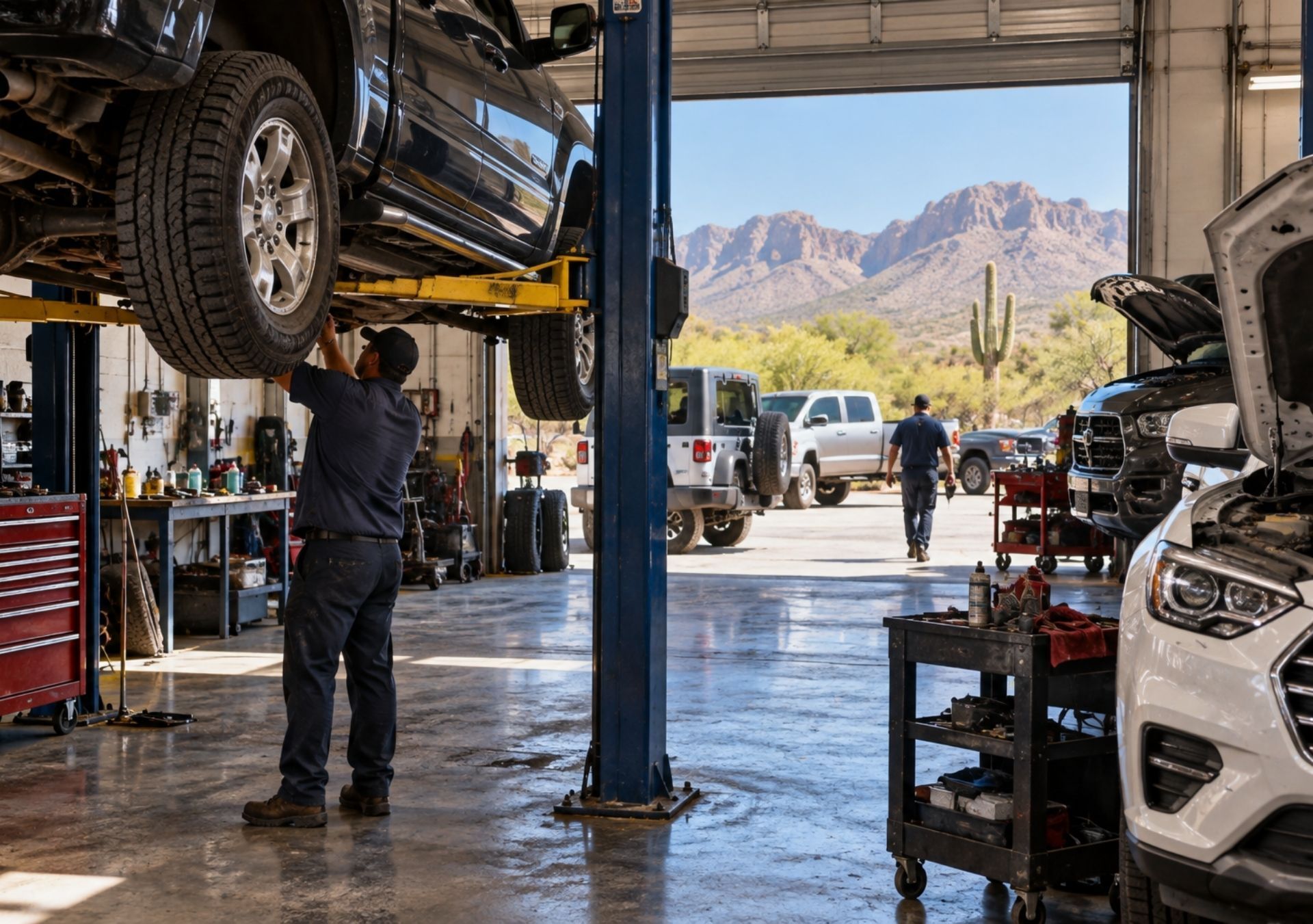
Running an auto repair shop, body shop, or dealership in Arizona means you're regularly holding customers' vehicles on your property. A single fire, theft, or hail storm could destroy several cars at once, and without the right insurance, you'd be personally responsible for every dollar of damage. Garagekeepers insurance exists specifically to cover customer vehicles while they're in your care, custody, or control. It's one of the most misunderstood policies in the commercial auto world, yet it's one of the most critical for any Arizona business that touches other people's cars.
The distinction between legal liability and direct primary coverage alone can mean the difference between a paid claim and a denied one. Arizona's unique climate, with its dust storms, extreme heat, and monsoon flooding, creates risks that shops in other states rarely face. And while
Arizona vehicle thefts dropped 24% in the first half of 2026 compared to the prior year, theft remains a leading cause of garagekeepers claims statewide. Understanding how this coverage works, what it costs, and how to file a claim properly can protect your business from
catastrophic losses. Here's what every Arizona shop owner needs to know.
Understanding Garagekeepers Liability Insurance in Arizona
Garagekeepers insurance covers physical damage to customers' vehicles while those vehicles are in your possession for service, repair, storage, or parking. It's a separate policy from your general liability or garage liability coverage, and it applies only to vehicles you don't own. If a customer drops off a sedan for brake work and your shop catches fire overnight, garagekeepers coverage pays for the damage to that sedan.
This protection typically covers three categories of loss: comprehensive (fire, theft, weather, vandalism), collision (damage from impact while being moved around your lot or inside your shop), and sometimes specified perils only. Arizona shops face particular exposure to monsoon-related flooding and hail damage between June and September. A single storm can damage every vehicle on your lot simultaneously, making adequate coverage essential rather than optional.
Who Needs This Coverage in the Grand Canyon State?
Any Arizona business that takes temporary possession of customer vehicles should carry garagekeepers coverage. This includes auto repair shops, collision centers, oil change franchises, car washes with valet service, towing companies, and auto dealerships with service departments. Even parking garages and valet operations in Phoenix, Tucson, and Scottsdale need this protection.
The Arizona Department of Insurance and Financial Institutions oversees commercial insurance compliance for businesses operating in the state. If you're storing, servicing, or moving vehicles that belong to other people, you have a legal duty of care. Failing to insure against damage to those vehicles exposes your business to lawsuits, out-of-pocket repair costs, and potential regulatory issues.
Garage Liability vs. Garagekeepers: Knowing the Difference
These two policies sound similar but cover entirely different things. Garage liability insurance protects your business when your operations cause bodily injury or property damage to third parties. Think of a customer slipping on an oil spill in your waiting area, or a test driver causing an accident on a public road. It's your general liability policy tailored for auto businesses.
Garagekeepers coverage, on the other hand, protects the customer's vehicle itself while it's in your care. If a technician accidentally drops a transmission on a customer's hood, that's a garagekeepers claim. If that same technician backs a customer's car into a wall, that's also garagekeepers. One policy covers your liability to people; the other covers your liability for their property. Most Arizona auto businesses need both.
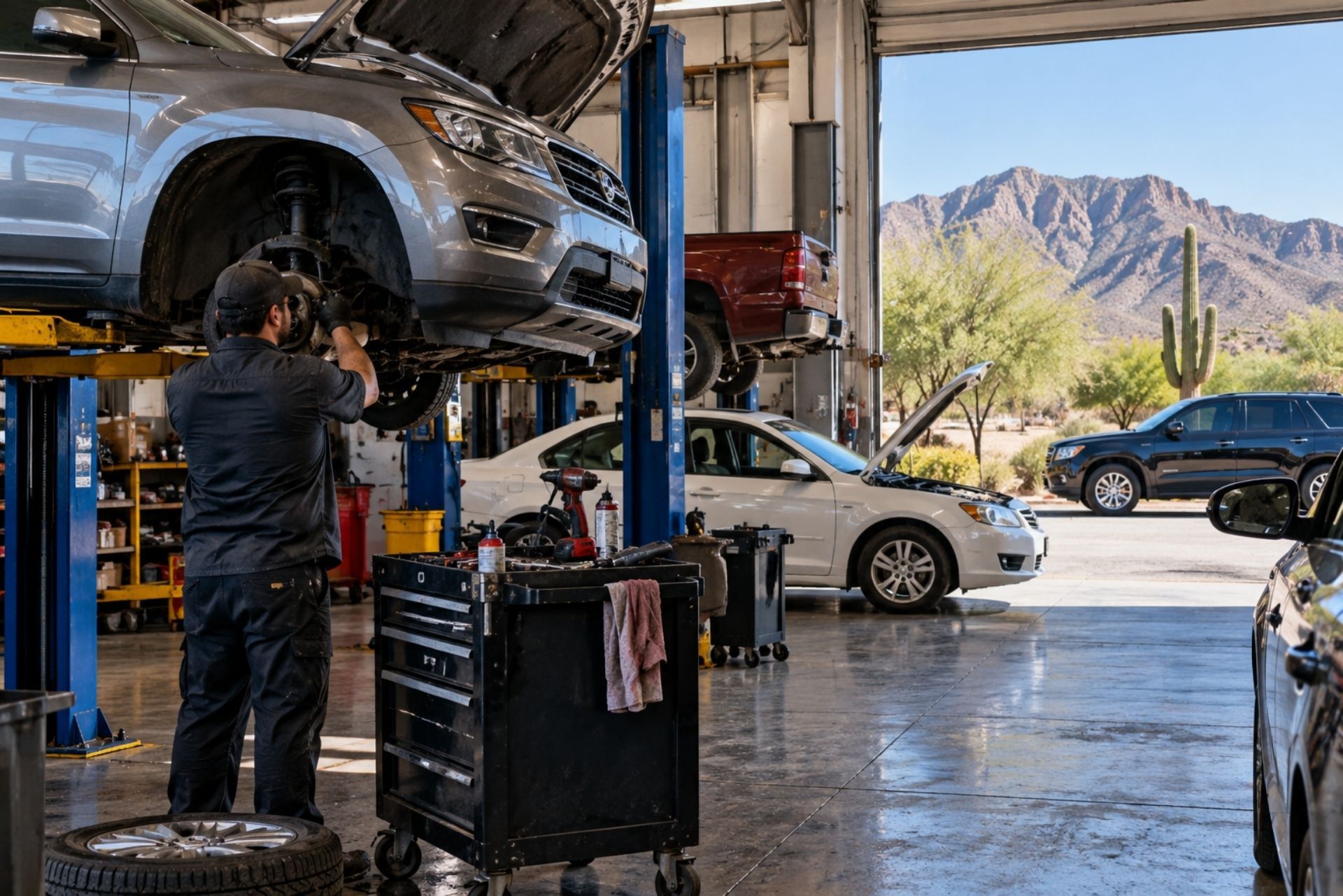
Legal Liability vs. Direct Primary Coverage
This is where garagekeepers insurance gets nuanced, and where many shop owners make costly mistakes. There are three main coverage forms: legal liability, direct primary, and direct excess. Each one determines when and how the policy pays out after a loss.
Legal liability coverage only pays when you or your employees are at fault for the damage. If a technician scratches a car during service, you're covered. But if someone breaks into your lot and steals a customer's catalytic converter, you're not, because the theft wasn't caused by your negligence. Direct primary coverage pays regardless of fault. Whether the damage comes from your employee's mistake, a break-in, or a monsoon, the policy responds. Direct excess works like direct primary but only kicks in after the customer's own auto insurance pays first.
Comparison Chart: Choosing the Right Protection Level
| Feature | Legal Liability | Direct Primary | Direct Excess |
|---|---|---|---|
| Pays when you're at fault | Yes | Yes | Yes |
| Pays for theft/vandalism | Only if due to your negligence | Yes | Yes, after customer's policy |
| Pays for weather damage | Only if due to your negligence | Yes | Yes, after customer's policy |
| Customer files with their insurer first? | No (claim denied if you're not at fault) | No | Yes |
| Premium cost | Lowest | Highest | Mid-range |
| Best for | Low-risk, low-volume shops | High-volume shops, dealerships | Moderate-risk operations |
The Risks of Legal Liability Only Policies
Choosing legal liability only coverage saves money upfront, but it creates significant gaps. The biggest risk is denial of claims where your shop isn't directly at fault. A customer's car gets stolen from your lot overnight, and your policy won't cover it unless you can prove your own negligence, like leaving the lot unlocked or disabling security cameras.
In Arizona, monsoon season creates another exposure. A freak hailstorm can pound every vehicle on your property with dime-sized hail. Under a legal liability only policy, you'd have no coverage because weather isn't your fault. You'd then face angry customers, potential lawsuits, and repair bills that could easily reach six figures. For most Arizona shops handling more than a handful of vehicles at a time, direct primary coverage is worth the extra premium.
Setting Limits and Managing Policy Costs
Your garagekeepers policy will have two key limits: a per-vehicle limit and an aggregate limit. The per-vehicle limit caps what the insurer pays for any single car. The aggregate limit caps total payouts for all vehicles damaged in a single event. If you carry a $100,000 per-vehicle limit with a $500,000 aggregate, you're covered for up to five total losses at the maximum per-vehicle amount in one incident.
Arizona premiums for garagekeepers coverage typically range from $800 to $3,500 per year for small to mid-size shops, though high-volume dealerships or body shops can pay considerably more. Your deductible choice also affects premiums significantly. A $1,000 deductible will lower your annual cost compared to a $500 deductible, but you'll pay more out of pocket per claim.
Factors Influencing Arizona Insurance Premiums
Several variables determine what you'll pay. Location matters: a shop in a high-crime area of Phoenix will pay more than one in a quieter suburb like Gilbert or Chandler. The state's insurance market conditions and claims history in your area also play a role.
Other key factors include:
- Number of vehicles you hold at any given time
- Type of vehicles (luxury cars and exotics cost more to insure)
- Your claims history over the past three to five years
- Security measures like cameras, fencing, and alarm systems
- Whether your lot is enclosed or open
- Coverage form chosen (legal liability vs. direct primary)
Investing in security upgrades can lower your premiums. Insurers reward shops that reduce risk through gated lots, surveillance systems, and well-lit parking areas.
Determining Your Maximum Limit Based on Inventory Value
Calculate your limit based on the maximum total value of customer vehicles on your property at any one time. Walk through a typical busy week. If you regularly hold 15 vehicles worth an average of $30,000 each, you're looking at $450,000 in total exposure. Your aggregate limit should match or exceed that number.
Don't forget to account for seasonal spikes. Arizona body shops often see a surge in vehicles after monsoon season, and dealership service departments get busier around holidays. Your limit should reflect your peak capacity, not your average. Underinsuring is one of the most common mistakes shop owners make, and it only becomes obvious after a major loss event.
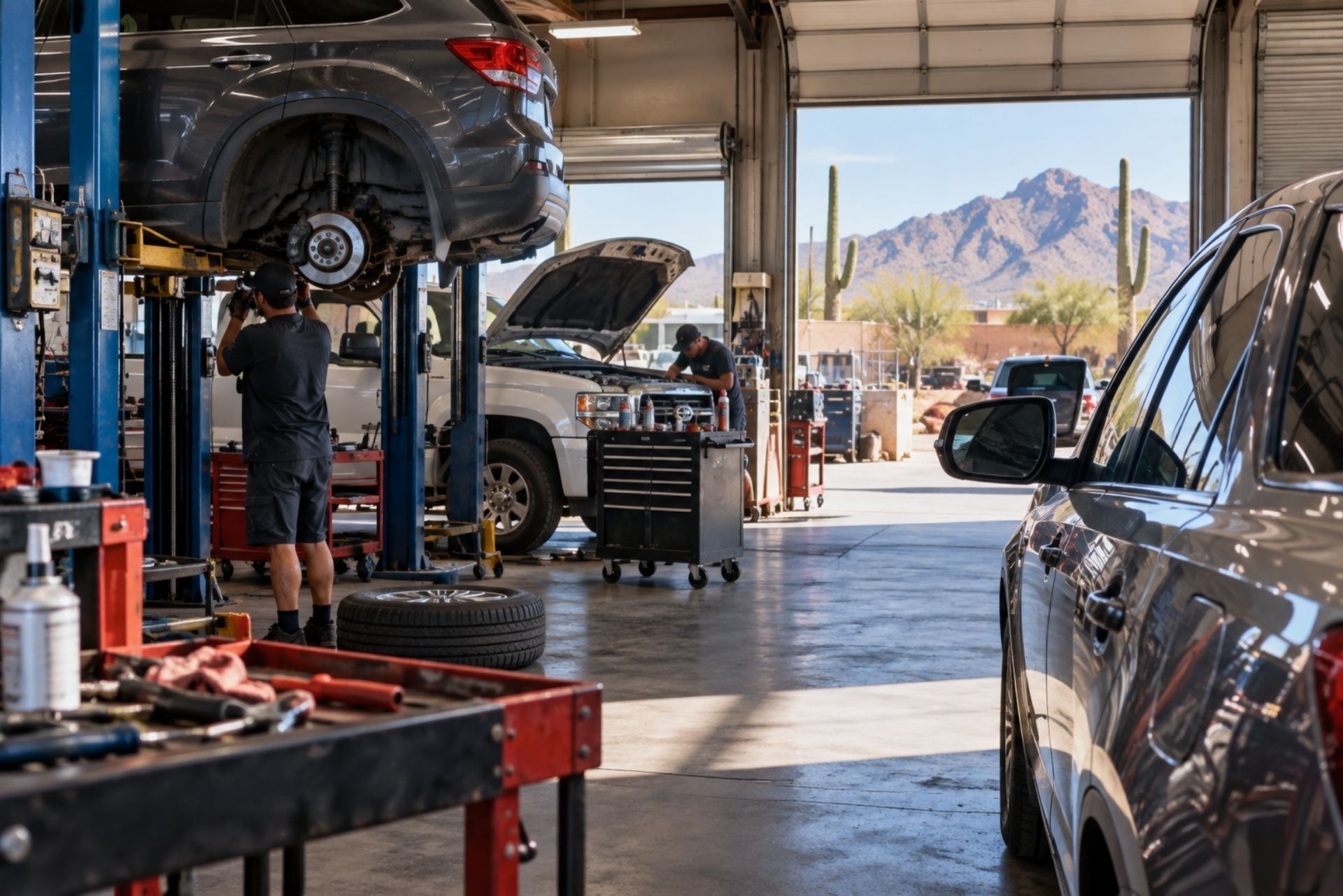
Filing a garagekeepers claim follows a specific sequence, and skipping steps can delay or jeopardize your payout. As soon as damage occurs, document everything before moving or touching the affected vehicles. Take photos and video from multiple angles. If theft or vandalism is involved, file a police report immediately; most insurers require one.
Contact your insurance agent or carrier within 24 hours. Provide a written description of what happened, when it happened, and which vehicles were affected. Your insurer will assign an adjuster who may visit your shop to inspect the damage. Cooperate fully and provide any requested documentation promptly. Delays on your end give the insurer reasons to slow the process.
Common Claims: Theft, Vandalism, and Extreme Weather
Theft claims remain frequent in Arizona, even with the recent decline in vehicle thefts statewide. Catalytic converter theft is particularly common because converters contain valuable metals and can be removed in minutes. Vandalism claims often spike around weekends and holidays.
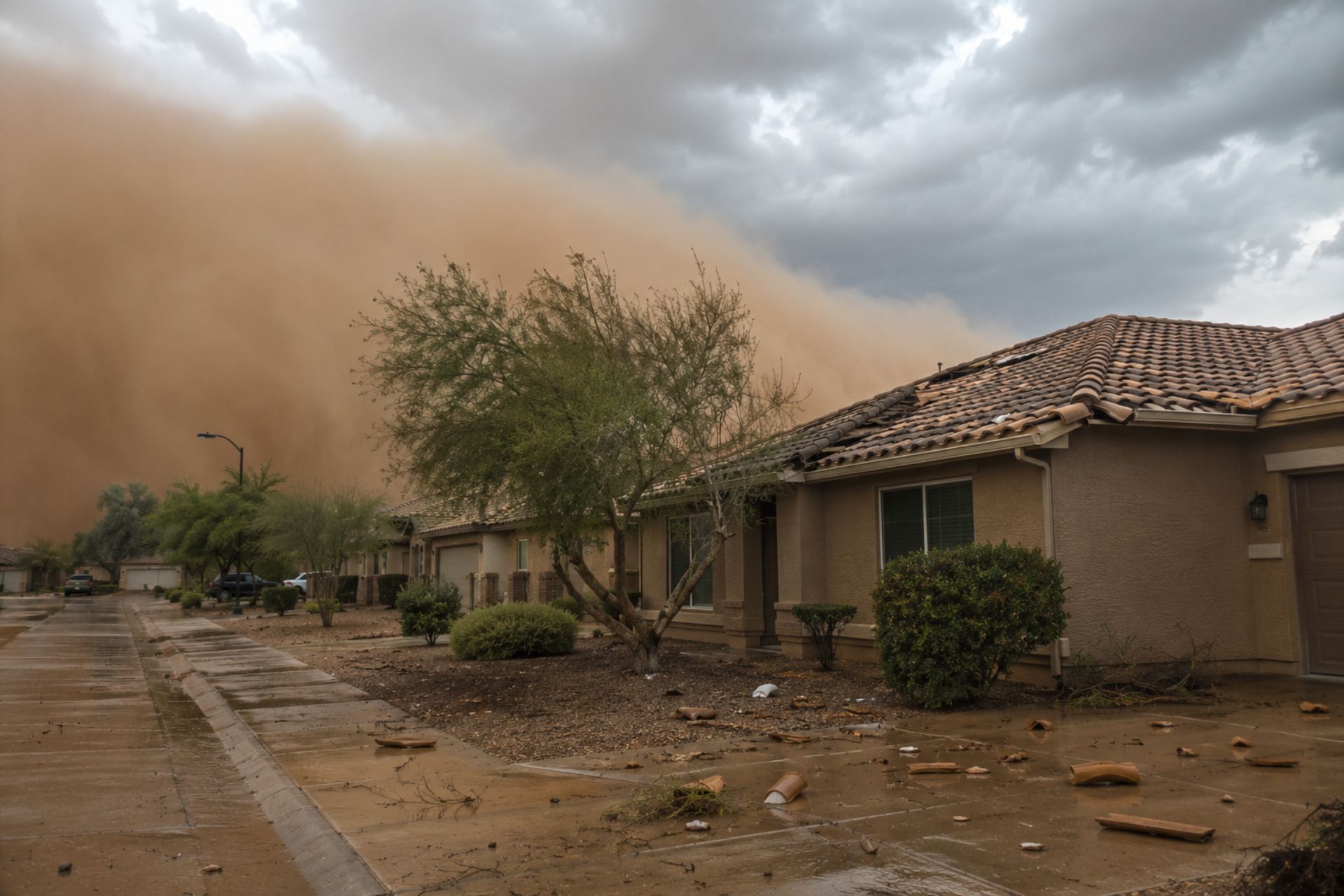
Weather-related claims are uniquely Arizona. Dust storms can sandblast paint and crack windshields. Monsoon flooding can total vehicles parked in low-lying areas. Hail from summer thunderstorms causes widespread damage across entire lots. If your shop sits in a flood-prone zone, confirm that your policy covers flood damage specifically, as some policies exclude it.
Documentation Requirements for Arizona Shop Owners
Proper documentation is your best defense during the claims process. Maintain a daily log of every vehicle on your property, including the owner's name, vehicle make and model, VIN, and estimated value. Take intake photos of each vehicle when it arrives, noting any pre-existing damage.
Keep copies of signed repair orders, which establish that the vehicle was legitimately in your care. Save all security camera footage for at least 30 days. If you're filing a weather-related claim, gather local weather reports or National Weather Service alerts to corroborate your timeline. Insurers are more likely to process claims quickly when the documentation is thorough and organized.
Frequently Asked Questions About Garagekeepers Insurance
Does Arizona law require garagekeepers insurance? No state law mandates it, but your lease, lender, or customer contracts may require it. Arizona does require minimum auto liability coverage for vehicles on public roads, but garagekeepers is a separate commercial policy.
Will my general liability policy cover customer vehicles? No. General liability covers bodily injury and property damage from your operations, but it excludes vehicles in your care, custody, or control. You need a separate garagekeepers policy for that.
What happens if a customer's car is damaged and I don't have coverage? You're personally liable. The customer can sue your business for the full cost of repairs or replacement. A single uninsured loss involving a high-value vehicle could threaten your entire operation.
Can I add garagekeepers coverage to my existing garage liability policy? Yes. Most insurers offer it as an endorsement to your garage liability or business auto policy. Bundling often costs less than purchasing standalone coverage.
Does garagekeepers insurance cover vehicles during test drives? Typically no. Test drives are usually covered under your garage liability or dealer's open lot policy. Garagekeepers applies while the vehicle is parked, stored, or being serviced on your premises.
How quickly are garagekeepers claims paid? Most straightforward claims are resolved within 30 to 60 days. Complex claims involving multiple vehicles or disputed fault can take longer. Thorough documentation speeds up the process significantly.
Making the Right Choice for Your Arizona Auto Business
Choosing the right garagekeepers coverage comes down to understanding your specific risk profile. A small two-bay shop in Flagstaff holding three or four cars at a time has different needs than a high-volume collision center in Mesa with 40 vehicles on the lot. Match your coverage form and limits to your actual exposure, not to the cheapest option available.
Direct primary coverage costs more, but it eliminates the gaps that leave shop owners exposed after weather events and theft. Set your aggregate limit based on peak vehicle capacity, invest in security to lower premiums, and keep meticulous intake records for every vehicle. Arizona's insurance regulatory environment continues to evolve, so review your policy annually with an agent who understands the auto service industry. The right garagekeepers policy won't just protect your customers' vehicles: it'll protect the business you've spent years building.
About The Author:
Taylor Whatcott
As President of Wilde Wealth Insurance Services, I’m committed to providing trusted protection for both families and businesses across Arizona. Our independent team works with top-rated carriers to deliver tailored, comprehensive coverage—making insurance simple, accessible, and hassle-free.
Contact Us
Commercial Coverage Solutions
Protect Your Business with the Right Insurance
We offer customized insurance solutions to safeguard your business from financial risks. Our policies provide protection for property, employees, and liability concerns.
Commercial Property Insurance
Safeguards buildings, equipment, and inventory from damage or loss.
Professional Liability Insurance
Covers claims of negligence, errors, or omissions in services.
Cyber Liability Insurance
Protects against data breaches, cyberattacks, and online threats.
Who We Protect
Insurance Solutions for Your Industry
We specialize in providing tailored coverage for businesses in key industries. Our policies are designed to meet industry-specific risks and ensure complete protection.


Protection for Your Home & Assets
Reliable Coverage for Life’s Unexpected Moments
We provide personal insurance solutions designed to safeguard your home, vehicle, and financial well-being. Our policies ensure you and your loved ones are protected.






What Our Clients Say
Real Feedback. Real Confidence.
FAQs
Answers to Common Insurance Questions
How do I know which insurance coverage is right for me?
Choosing the right insurance depends on your personal or business needs. Our team evaluates your risks and recommends tailored coverage to protect what matters most.
We work with multiple carriers to provide different policy options. This allows you to compare benefits, limits, and pricing to make an informed choice.
If you’re unsure, we’ll walk you through the options step by step, ensuring you understand your coverage and feel confident in your decision.
Why should I choose an independent insurance agency like Wilde Wealth?
As an independent agency, we are not tied to a single insurance provider. This means we can compare multiple policies to find the best coverage at the best price.
Our goal is to advocate for you, ensuring you receive personalized service and expert advice tailored to your situation.
Unlike direct insurers, we offer ongoing support, helping you with claims, policy changes, and future coverage needs.
Can I bundle multiple insurance policies to save money?
Yes! Bundling policies like home and auto can lead to significant savings. Many carriers offer discounts for combining multiple coverages.
Bundling also simplifies policy management, with a single point of contact and streamlined renewals.
We help you explore bundling options to ensure you get the best value while maintaining the protection you need.
What factors affect my insurance rates?
Insurance rates are influenced by factors such as coverage limits, location, claims history, and risk exposure. Personal insurance may consider credit scores, driving history, and home value.
For businesses, factors like industry type, employee count, and annual revenue can impact pricing. Each carrier evaluates risk differently.
We shop multiple providers to find the best balance of coverage and cost, ensuring you don’t overpay while staying fully protected.
How does Wilde Wealth Insurance Services help business owners?
We provide customized business insurance solutions to protect against liability, property damage, employee-related risks, and cyber threats.
Our team works with a range of industries, including contractors, restaurants, and real estate professionals, to offer tailored policies.
From small startups to established enterprises, we help business owners minimize risks and keep operations running smoothly.
What happens if I need to file a claim?
Filing a claim is simple with our support. Contact us first, and we’ll guide you through the process, ensuring all necessary information is submitted correctly.
We work directly with your insurance carrier to expedite the claim, keeping you informed at every step.
Our team is here to advocate for you, making sure you receive a fair and timely resolution.
Latest Articles & Insights
Stay Informed with Expert Insurance Advice
We provide valuable insights to help you make informed insurance decisions. Explore our latest articles on coverage options, industry trends, and risk management tips.


Contact Us