
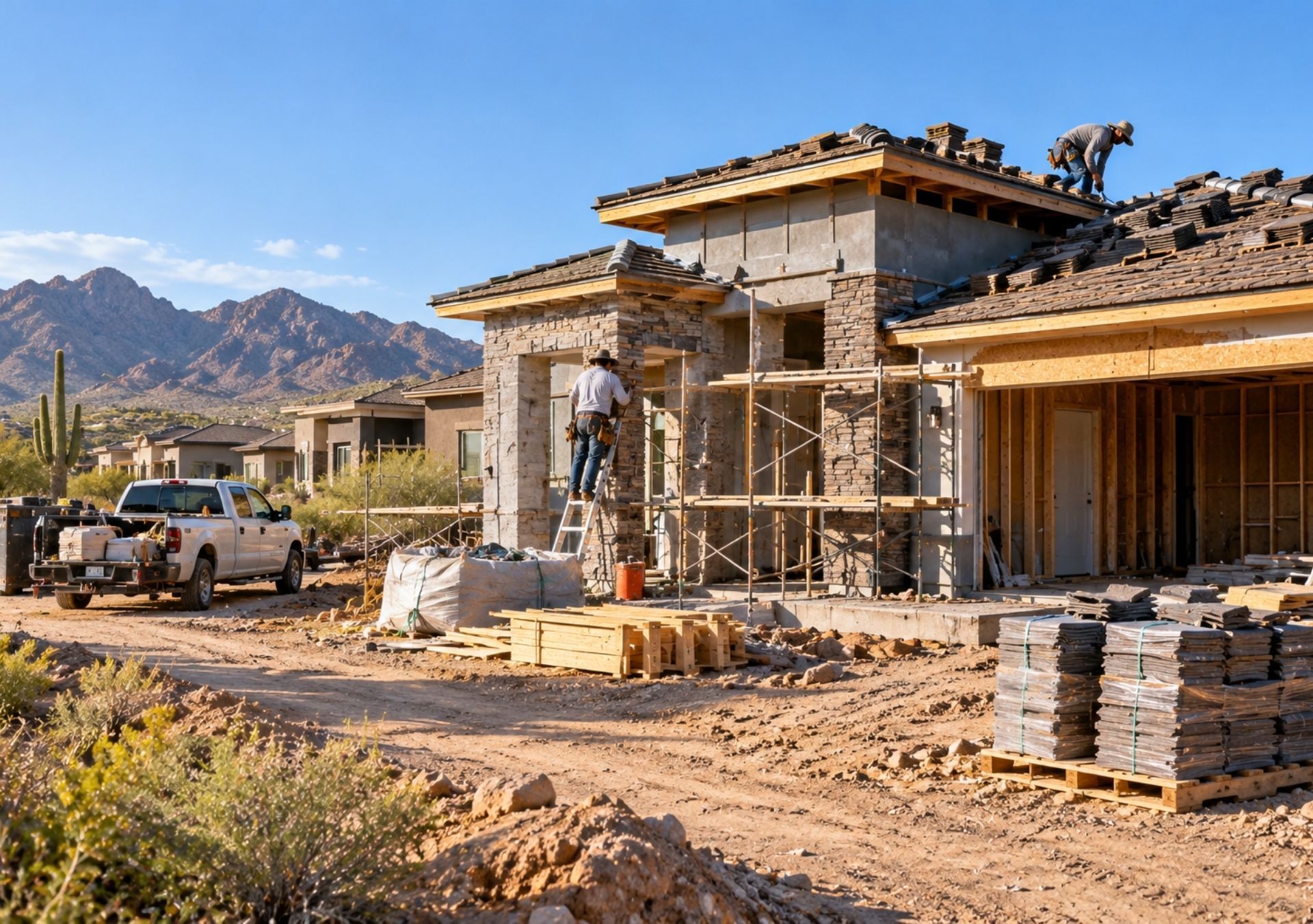
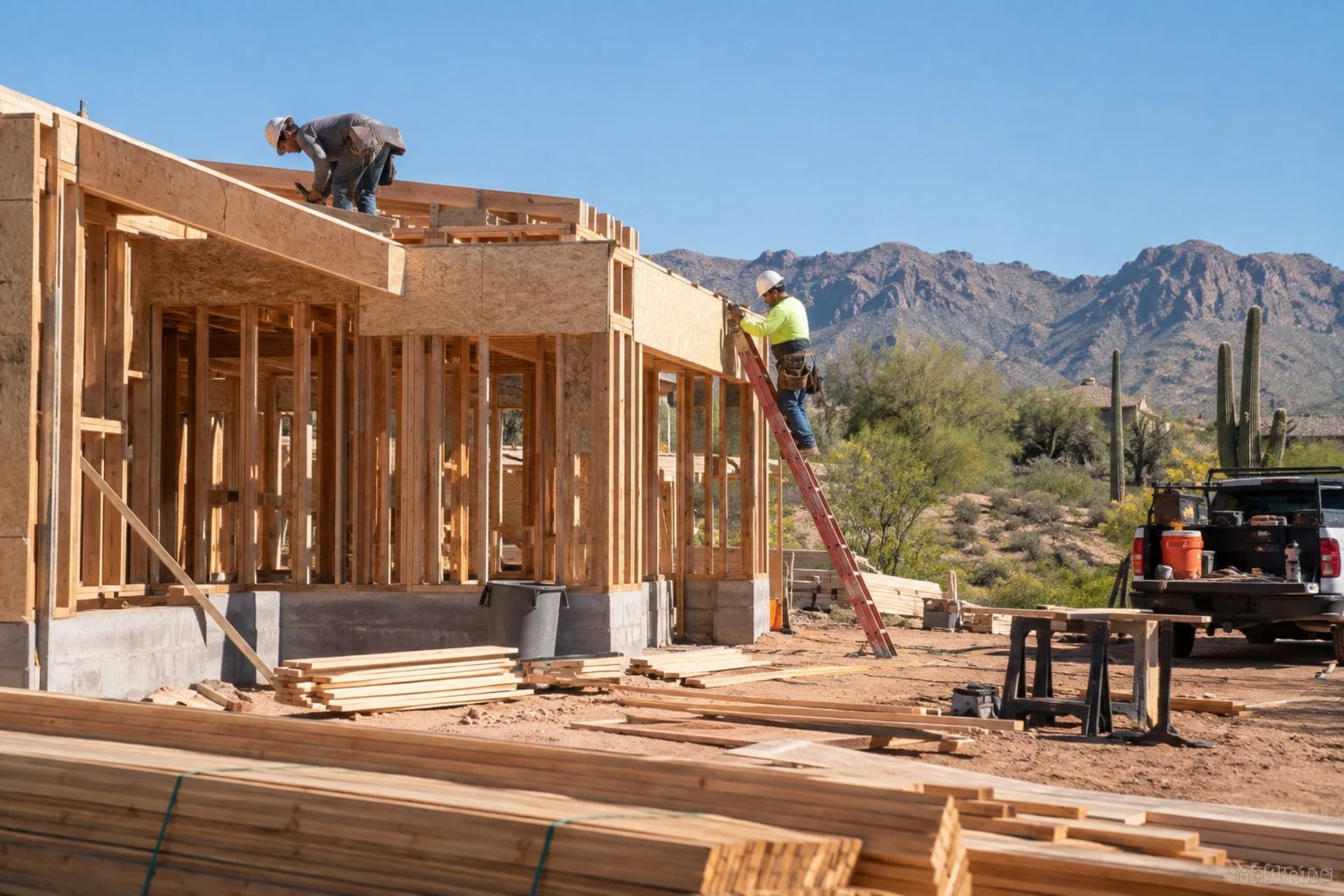
Building homes in Arizona means dealing with a unique set of risks that most other states don't present. Between extreme desert heat, expansive soils, monsoon flooding, and a regulatory environment shaped by years of construction defect litigation, the insurance decisions you make can determine whether your business survives a bad year or folds under the weight of a single claim.
This guide covers the essential insurance coverages Arizona home builders need: builder's risk, general liability, workers' compensation, ROC bond requirements, and construction defect protection. Whether you're a small custom builder or running multiple subdivisions across Maricopa County, understanding how these policies interact is critical. Too many contractors buy the minimum coverage required for licensing and then discover the gaps only after something goes wrong. A
cracked foundation from
shifting soil, a heat-related injury on the job site, or a defect claim filed years after closing can each create six-figure exposures that basic policies won't cover. Getting your insurance right from the start isn't just good practice: it's a survival strategy.
Arizona's construction market has been one of the most active in the country for years, and 2026 is no different. Population growth in the Phoenix metro, Tucson, and surrounding communities continues to drive demand for single-family homes, townhomes, and planned developments. That demand, though, comes with heightened scrutiny from regulators, homeowners, and insurers alike.
The Arizona Registrar of Contractors (ROC) governs licensing and bonding for residential builders, and the requirements go beyond what many neighboring states demand. Residential and dual-licensed contractors must contribute to the Residential Contractors Recovery Fund, with 2026 assessments set at $370 for new licenses and $270 for renewals. This fund exists to compensate homeowners when a licensed contractor fails to perform or causes damage, and it reflects Arizona's consumer-protection approach to residential construction.
The state's legal framework adds another layer of complexity. Arizona uses a
pure comparative fault system, meaning contractors are only liable for the portion of damages they directly caused. Indemnification clauses that try to shift more than a contractor's fair share of fault onto subcontractors are void under state law. This matters for your insurance because it shapes how claims get allocated and how your policies respond.
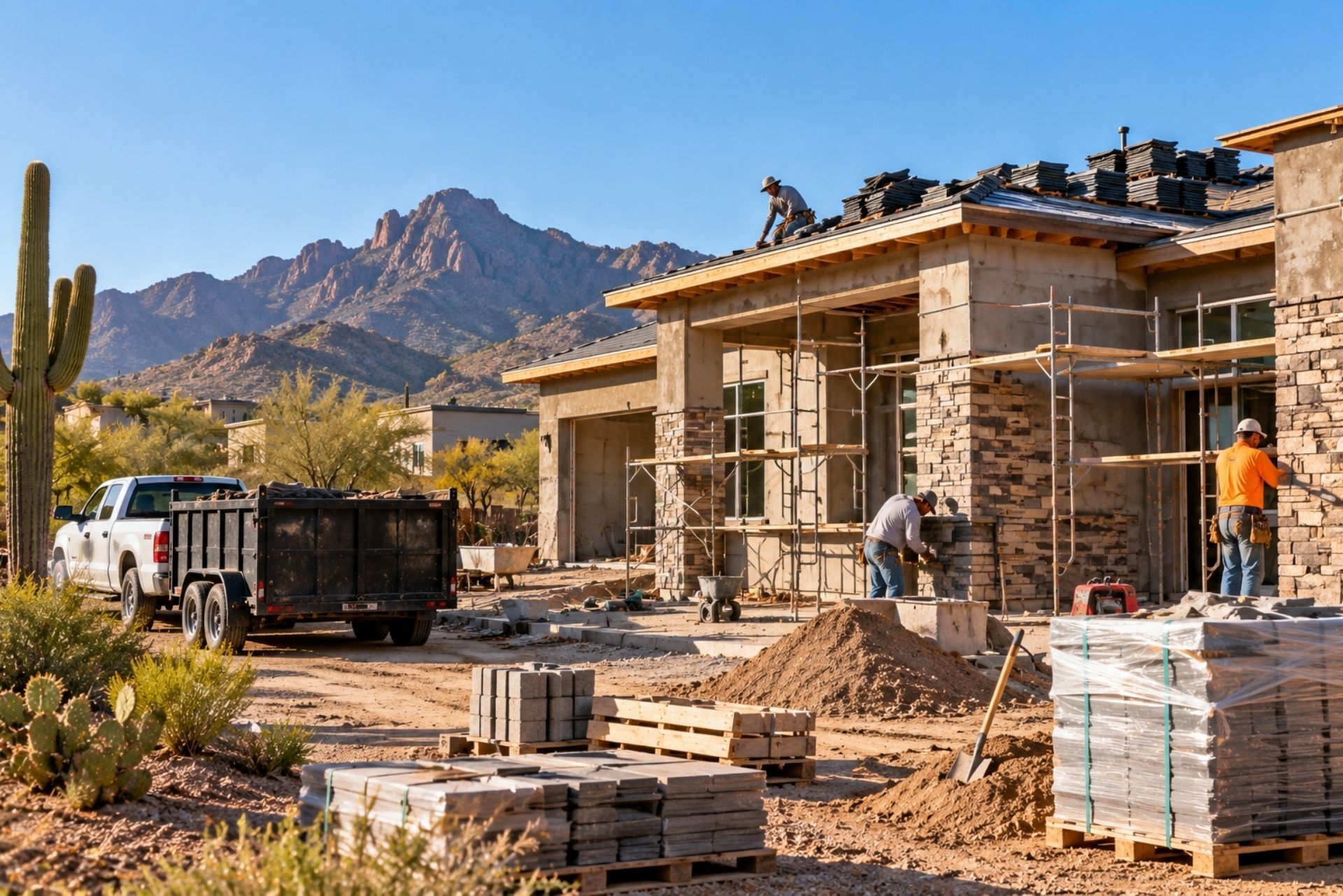
Core Insurance Coverages for Arizona Builders
Every residential contractor in Arizona needs a layered insurance program. No single policy covers everything, and the gaps between policies are where most financial disasters happen.
General Liability and Construction Defect Protection
Commercial general liability (CGL) is the foundation of any builder's insurance program. It covers bodily injury and property damage claims arising from your operations, both during construction and after you've handed over the keys. In Arizona, general liability premiums for home builders have risen by 7% to 12% heading into 2026, with small contractors paying an average of $550 to $3,200 per year for basic coverage.
The catch is that standard CGL policies often exclude or severely limit coverage for construction defect claims. Arizona's statute of repose gives homeowners eight years to file defect claims after substantial completion, which means you could face a lawsuit long after you've moved on to other projects (https://rjpestateplanning.com/law-library/ars-12-552-construction-defect-eight-year). Many builders don't realize their CGL policy contains a "your work" exclusion that bars coverage for damage caused by faulty workmanship. You'll want to confirm your policy includes completed operations coverage and, ideally, a subcontractor exception to the "your work" exclusion.
Course of Construction and Builders Risk
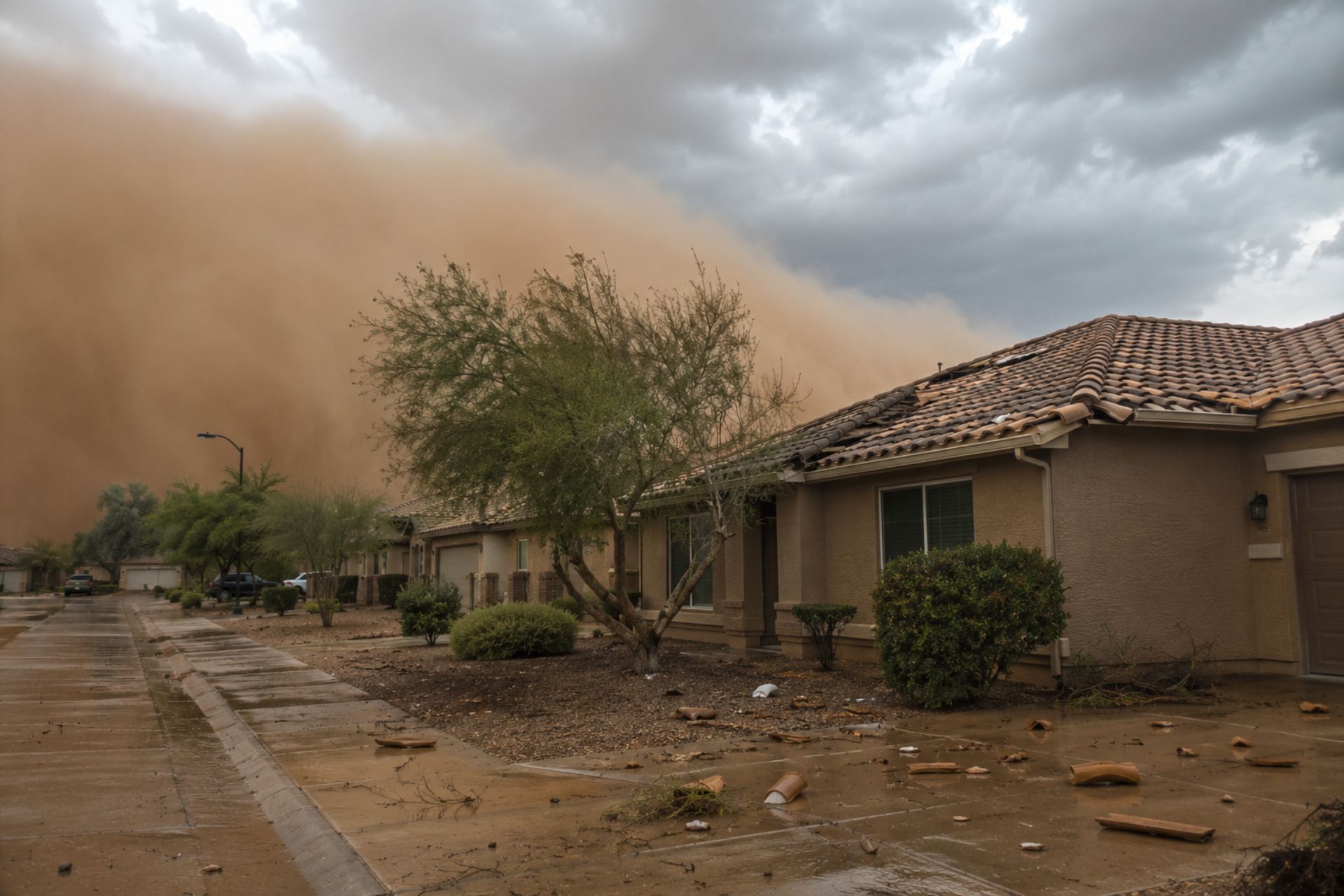
Builder's risk insurance covers the structure itself during construction, protecting against fire, theft, vandalism, weather damage, and other perils. In Arizona, monsoon season from June through September brings wind, dust storms, and flash flooding that can destroy months of work overnight.
A standard builder's risk policy covers the building materials, fixtures, and equipment on site. Some policies extend to materials in transit or stored off-site. One common mistake is letting the policy lapse before the certificate of occupancy is issued or before the homeowner's insurance kicks in. That gap, even if it's only a few weeks, leaves the finished structure completely uninsured. Make sure your policy duration matches your actual construction timeline, including realistic allowances for delays.
Comparing Policy Types: Standard vs. Specialized Coverage
Not all policies are created equal, and the differences matter most when you're filing a claim. Here's how standard and specialized coverage options compare for Arizona home builders:
| Coverage Feature | Standard CGL Policy | Specialized Builder Program |
|---|---|---|
| Completed Operations | Often excluded or limited | Included with extended reporting |
| Construction Defect | May require separate endorsement | Typically built into policy |
| Subcontractor Default | Not covered | Available as add-on |
| Heat Illness Claims | Covered under general provisions | Specific heat protocol endorsements |
| Soil Movement Damage | Usually excluded | Available with earth movement rider |
| Policy Period | Annual | Project-based or annual options |
Specialized builder programs from construction-focused insurers tend to cost more upfront but provide broader protection where it counts. If you're building more than a few homes per year, the premium difference often pays for itself the first time you face a claim that a standard policy would deny. Project-specific policies can also make sense for high-value custom homes where the exposure on a single build justifies dedicated coverage.
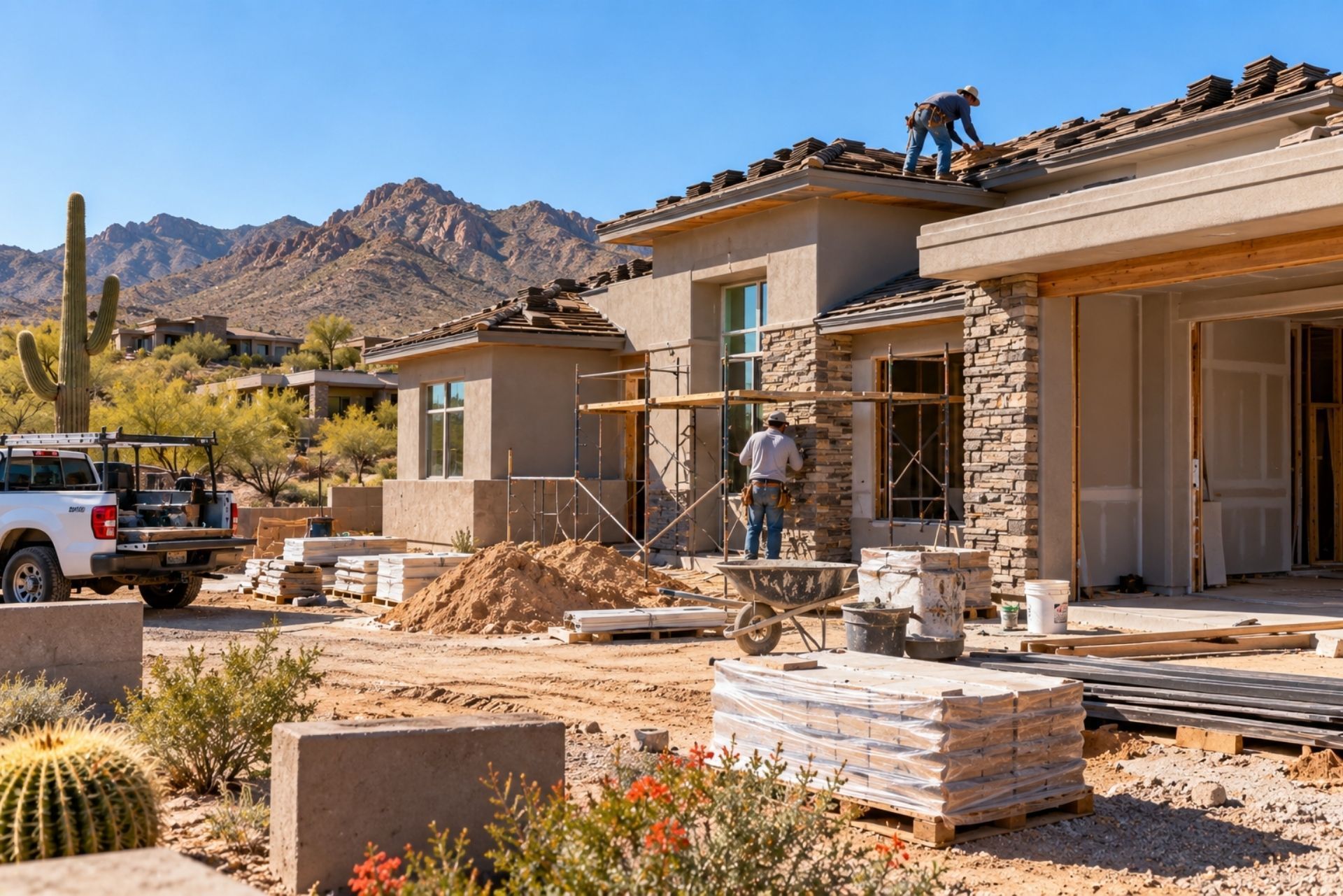
State-Specific Risks and Compliance Requirements
Arizona presents a distinct combination of regulatory demands and environmental hazards that directly affect your insurance needs and costs.
ROC Requirements and Workers Compensation
The ROC requires proof of insurance before issuing or renewing a contractor's license. You'll need general liability coverage meeting minimum limits, and if you have any employees, workers' compensation is mandatory. Arizona doesn't allow contractors to opt out of workers' comp, even for small crews.
The good news: Arizona workers' compensation voluntary loss costs decreased by 6.7% effective January 1, 2026, marking the 12th consecutive year of rate reductions. That said, costs still vary dramatically by trade. Here's what you can expect per $100 of payroll:
- General Contractors (B-1): $3.25 to $7.80
- Framing and carpentry: $8.00 to $15.00
- Roofing (C-42): $16.00 to $38.00
Roofing subcontractors represent one of the highest-cost classifications in the state. If you're self-performing roofing work, expect your workers' comp premiums to reflect that risk. Always verify that your subcontractors carry their own workers' comp policies, because if they don't, their employees become your responsibility under Arizona law.
Managing Soil and Climate-Related Liabilities
Expansive clay soils are one of the most common sources of construction defect claims in Arizona. Homes built on these soils can experience foundation cracking, slab heaving, and structural movement as the soil expands and contracts with moisture changes. Standard insurance policies typically exclude earth movement, so you'll need a specific endorsement or rider to cover soil-related damage claims.
OSHA's 2026 heat illness enforcement standards have become a critical compliance layer for Arizona contractors. With summer job site temperatures regularly exceeding 110°F, heat-related injuries and fatalities are a real and recurring risk. Your workers' comp policy will cover heat illness claims, but OSHA violations can trigger fines and increase your experience modification rate, driving up premiums for years. Implementing documented heat safety protocols: water, rest, shade, and acclimatization schedules: isn't just smart risk management. It's a direct way to control your insurance costs.
Strategic Risk Management for New Developments
Insurance is only one piece of your risk management strategy. The contracts you sign, the subcontractors you hire, and the quality control systems you implement all affect your exposure.
Require certificates of insurance from every subcontractor before they set foot on your job site. Verify that their policies are active, that their limits meet your contract requirements, and that you're listed as an additional insured on their CGL policy. This isn't paperwork for paperwork's sake: it's the mechanism that shifts risk to the party best positioned to control it.
For subdivision and tract work, consider wrap-up insurance programs (also called Owner Controlled Insurance Programs or OCIPs) that provide a single policy covering all contractors on the project. These programs eliminate coverage gaps between different contractors' policies and often reduce total insurance costs by 10% to 20% compared to requiring each sub to carry their own coverage.
Document everything. Soil reports, engineering inspections, progress photos, and communication logs all become critical evidence if a defect claim surfaces years later. Your insurance company's willingness to defend a claim often depends on the quality of your documentation.
Common Questions for Arizona Home Builders
Do I need builder's risk insurance if I'm building on a customer's lot? Yes. The property owner's homeowner's policy won't cover a structure under construction. You need a builder's risk policy or a course-of-construction endorsement on your contractor's policy to protect the work in progress.
What happens if my subcontractor doesn't have workers' comp? You become the statutory employer of their workers under Arizona law. Any injury claim from their employees hits your workers' comp policy, raising your experience mod and your premiums.
How long can a homeowner file a construction defect claim in Arizona? Arizona's statute of repose allows claims up to eight years after substantial completion (https://www.frlawgroup.com/blog/a-guide-to-arizonas-statute-of-repose-for-commercial-construction/). Some defect types, like latent structural issues caused by soil movement, may surface near the end of that window.
Is the ROC bond the same as insurance? No. The ROC bond is a surety bond that protects consumers, not you. If a claim is paid against your bond, you're personally responsible for reimbursing the surety company. Insurance, by contrast, pays claims on your behalf up to your policy limits.
Can I reduce my general liability premiums?
Yes. Maintaining a clean claims history, implementing formal safety programs, and using written contracts with proper indemnification language all help. Some insurers also offer premium credits for builders who complete continuing education in risk management.
Protecting Your Business Assets Long-Term
Home builder insurance in Arizona isn't a box you check once and forget. Your coverage needs to evolve as your business grows, as regulations change, and as the risk environment shifts. A builder doing five custom homes a year has very different exposure than one managing 50-lot subdivisions, and your insurance program should reflect that.
Review your policies annually with a broker who understands construction. Ask specifically about completed operations tail coverage, which protects you against defect claims filed after you've finished a project and your standard policy period has ended. This is one of the most commonly overlooked coverages, and it's one of the most important for Arizona builders facing that eight-year statute of repose (https://www.ratecrushers.com/contractors-insurance/arizona/).
The combination of declining workers' comp rates and rising general liability premiums creates an opportunity to reallocate your insurance budget. Put the savings from workers' comp toward broader defect coverage or higher liability limits. Your goal is a program with no critical gaps: one where every foreseeable risk has a policy or a contract provision standing behind it. Talk to a construction-focused insurance broker, get your licensing and bonding requirements squared away, and build your risk management strategy before you break ground on your next project.
About The Author:
Taylor Whatcott
As President of Wilde Wealth Insurance Services, I’m committed to providing trusted protection for both families and businesses across Arizona. Our independent team works with top-rated carriers to deliver tailored, comprehensive coverage—making insurance simple, accessible, and hassle-free.
Contact Us
Commercial Coverage Solutions
Protect Your Business with the Right Insurance
We offer customized insurance solutions to safeguard your business from financial risks. Our policies provide protection for property, employees, and liability concerns.
Commercial Property Insurance
Safeguards buildings, equipment, and inventory from damage or loss.
Professional Liability Insurance
Covers claims of negligence, errors, or omissions in services.
Cyber Liability Insurance
Protects against data breaches, cyberattacks, and online threats.
Who We Protect
Insurance Solutions for Your Industry
We specialize in providing tailored coverage for businesses in key industries. Our policies are designed to meet industry-specific risks and ensure complete protection.




Protection for Your Home & Assets
Reliable Coverage for Life’s Unexpected Moments
We provide personal insurance solutions designed to safeguard your home, vehicle, and financial well-being. Our policies ensure you and your loved ones are protected.







What Our Clients Say
Real Feedback. Real Confidence.
FAQs
Answers to Common Insurance Questions
How do I know which insurance coverage is right for me?
Choosing the right insurance depends on your personal or business needs. Our team evaluates your risks and recommends tailored coverage to protect what matters most.
We work with multiple carriers to provide different policy options. This allows you to compare benefits, limits, and pricing to make an informed choice.
If you’re unsure, we’ll walk you through the options step by step, ensuring you understand your coverage and feel confident in your decision.
Why should I choose an independent insurance agency like Wilde Wealth?
As an independent agency, we are not tied to a single insurance provider. This means we can compare multiple policies to find the best coverage at the best price.
Our goal is to advocate for you, ensuring you receive personalized service and expert advice tailored to your situation.
Unlike direct insurers, we offer ongoing support, helping you with claims, policy changes, and future coverage needs.
Can I bundle multiple insurance policies to save money?
Yes! Bundling policies like home and auto can lead to significant savings. Many carriers offer discounts for combining multiple coverages.
Bundling also simplifies policy management, with a single point of contact and streamlined renewals.
We help you explore bundling options to ensure you get the best value while maintaining the protection you need.
What factors affect my insurance rates?
Insurance rates are influenced by factors such as coverage limits, location, claims history, and risk exposure. Personal insurance may consider credit scores, driving history, and home value.
For businesses, factors like industry type, employee count, and annual revenue can impact pricing. Each carrier evaluates risk differently.
We shop multiple providers to find the best balance of coverage and cost, ensuring you don’t overpay while staying fully protected.
How does Wilde Wealth Insurance Services help business owners?
We provide customized business insurance solutions to protect against liability, property damage, employee-related risks, and cyber threats.
Our team works with a range of industries, including contractors, restaurants, and real estate professionals, to offer tailored policies.
From small startups to established enterprises, we help business owners minimize risks and keep operations running smoothly.
What happens if I need to file a claim?
Filing a claim is simple with our support. Contact us first, and we’ll guide you through the process, ensuring all necessary information is submitted correctly.
We work directly with your insurance carrier to expedite the claim, keeping you informed at every step.
Our team is here to advocate for you, making sure you receive a fair and timely resolution.
Latest Articles & Insights
Stay Informed with Expert Insurance Advice
We provide valuable insights to help you make informed insurance decisions. Explore our latest articles on coverage options, industry trends, and risk management tips.

Contact Us