
Arizona Hired and Non-Owned Auto Insurance
See How We're Different:
or Call Us:(480) 526-3222
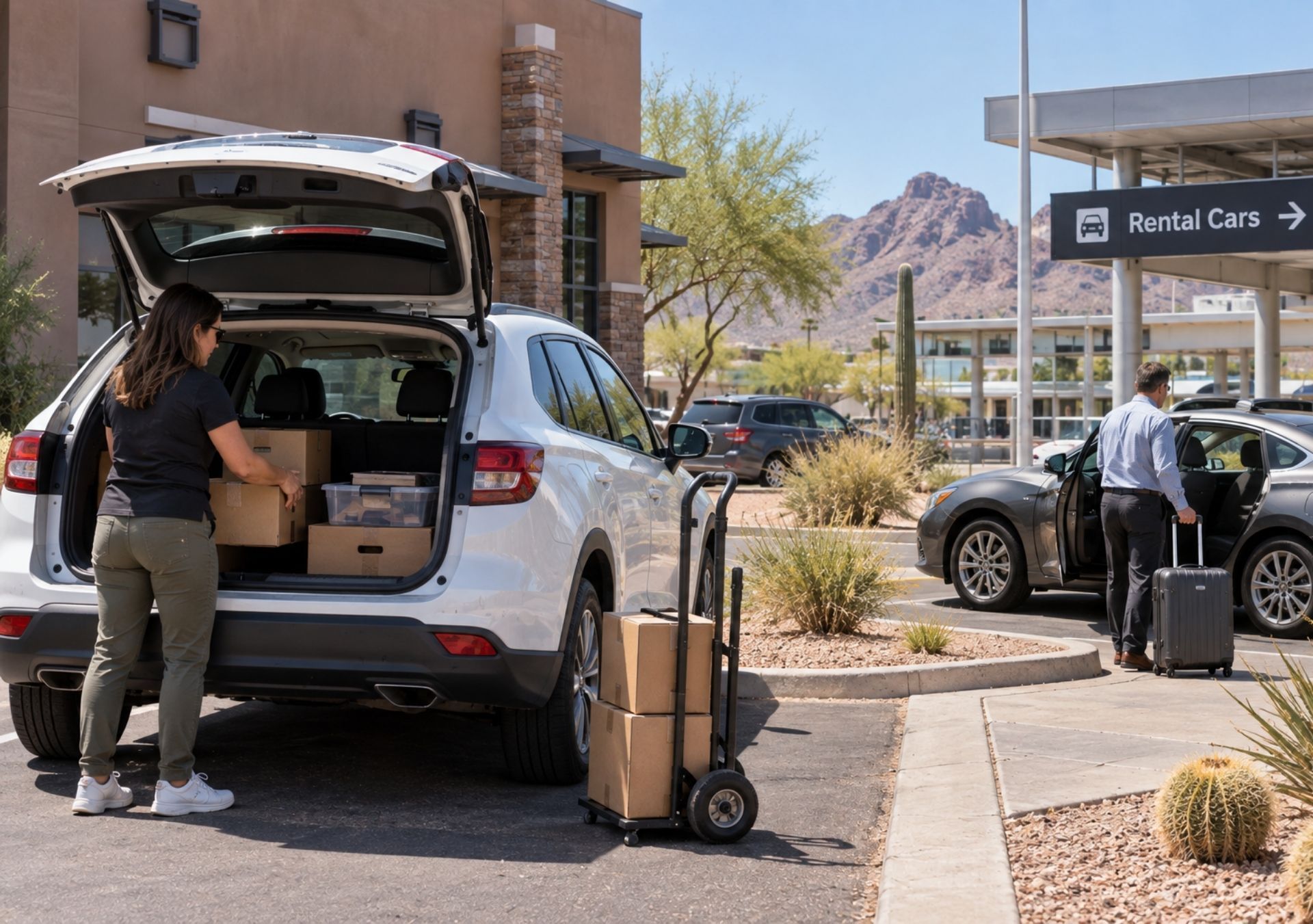
A single car accident involving an employee running a business errand can expose your company to a six-figure lawsuit, even if the vehicle isn't in your name. Arizona businesses that rely on employees driving personal cars, renting vehicles for work trips, or making deliveries face a specific kind of liability that standard commercial policies often miss entirely. Hired and non-owned auto insurance fills that gap for Arizona employers, covering everything from rental car collisions to accidents in an employee's personal vehicle during work hours. If you don't own a fleet but your team still drives for business purposes, this coverage isn't optional: it's essential.
Most
small business owners assume their
general liability policy or their employees'
personal auto insurance will handle these situations. That assumption has cost companies thousands in legal fees and settlements. The reality is that personal auto policies routinely exclude business use, and general liability doesn't cover auto accidents at all. Understanding how HNOA coverage works in Arizona, what it protects, and where gaps still exist can save your business from a financial disaster you didn't see coming.
Understanding Hired and Non-Owned Auto Insurance (HNOA) in Arizona
HNOA is an endorsement typically added to a commercial general liability or business auto policy. It provides liability coverage for vehicles your business uses but doesn't own. This includes cars rented for business trips and employees' personal vehicles used for work tasks.
Arizona follows a permissive use doctrine, meaning the vehicle owner's insurance is primary in most accidents. But when that personal policy denies a claim due to business use exclusions, or when the liability exceeds the employee's policy limits, your business becomes the next target. HNOA coverage steps in to protect the company in exactly those situations.
The Difference Between Hired vs. Non-Owned Vehicles
These two categories cover distinct situations, and confusing them can leave you underinsured.
- Hired vehicles are ones your business rents, leases, or borrows for a specific period. Think rental cars for out-of-town client meetings, leased vans for a temporary project, or vehicles borrowed from another company.
- Non-owned vehicles are personal cars that employees drive for business purposes. The employee who picks up office supplies in their own sedan, the sales rep driving to a client site, or the manager running to the bank: all of these fall under the non-owned category.
Your HNOA endorsement needs to account for both types. Some policies only cover one, so read the fine print carefully before assuming you're protected.
Why Personal Auto Policies Often Fail Business Owners
A common and costly mistake is relying on your employees' personal auto insurance to cover work-related accidents. Most personal policies include a business use exclusion that kicks in the moment the vehicle is being used for commercial purposes. If your employee rear-ends someone while delivering documents to a client, their insurer may deny the claim entirely.
Even when a personal policy does pay, it typically carries lower limits: often $50,000 per person or $100,000 per accident. Commercial auto insurance premiums have risen by an average of 9.8% nationally, making it tempting to skip commercial coverage. But a single serious accident can easily exceed those personal policy limits, and the injured party's attorney will come after your business for the difference.
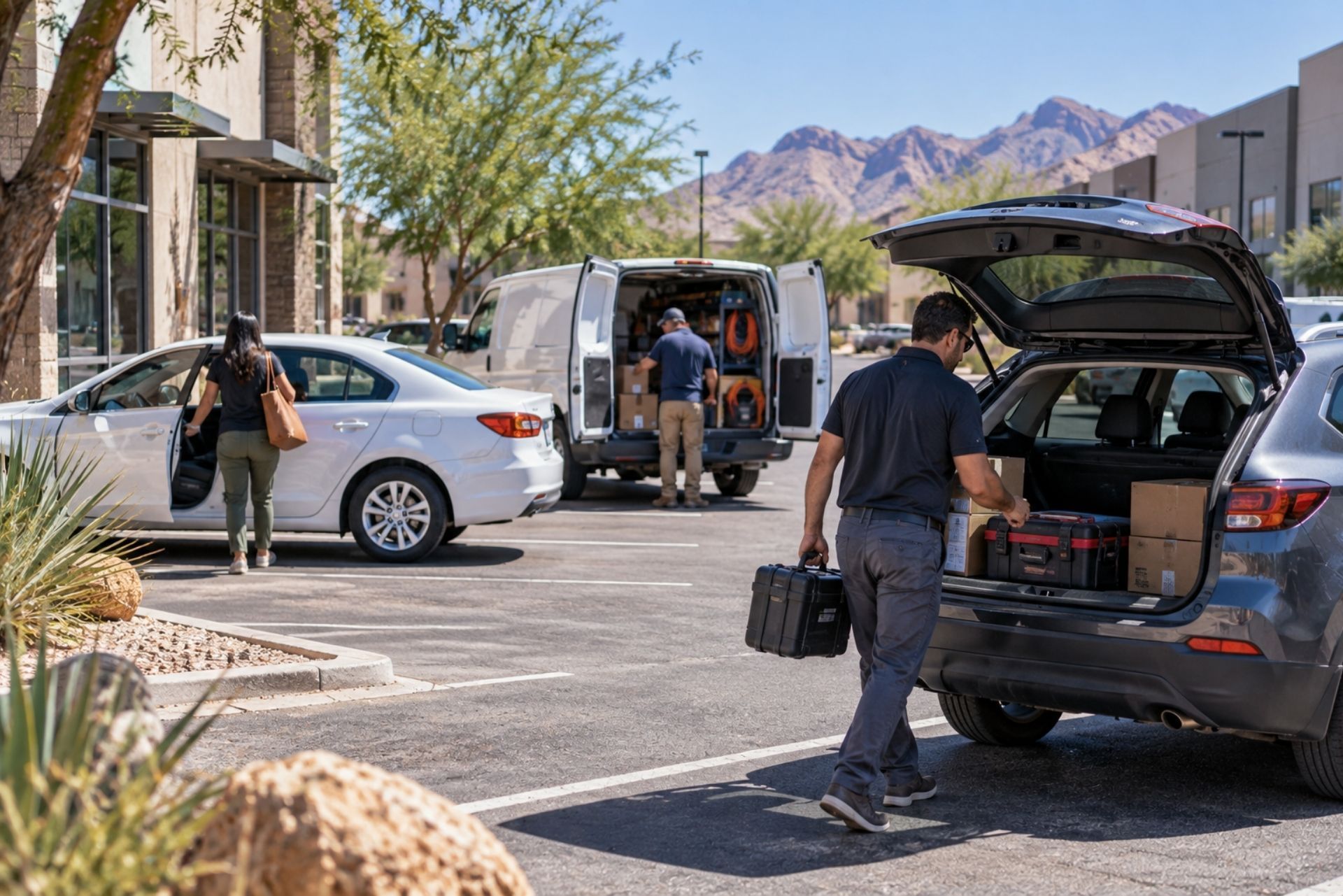
Risk Scenarios: Delivery Errands and Employee Commutes
The line between personal and business driving is thinner than most employers realize. Arizona courts have consistently held businesses liable for accidents that occur during work-related tasks, even in vehicles the company doesn't own.
Liability During Business Errands and Client Meetings
Your receptionist drives to the post office to mail contracts. Your project manager takes their own car to a client meeting across town. Your accountant picks up lunch for a working meeting. Each of these routine activities creates liability exposure for your business under Arizona's respondeat superior doctrine, which holds employers responsible for employees acting within the scope of their employment.
One thing to keep in mind: even if you have a written policy telling employees to use rideshare services instead of personal vehicles, you can still be held liable if an employee ignores that policy and drives anyway. Courts look at the nature of the task, not just your internal rules.
Arizona Delivery Risks: Food, Documents, and Supplies
Delivery errands carry elevated risk because they often involve time pressure, unfamiliar routes, and frequent stops. An employee rushing to deliver supplies to a job site in Scottsdale during afternoon traffic is statistically more likely to be involved in an accident than during a normal commute.
Arizona's high rate of uninsured motorists compounds this risk. Roughly 12% of Arizona drivers lack insurance entirely, meaning your employee could be hit by someone with no coverage. Without HNOA or underinsured motorist protection on your commercial policy, your business absorbs that financial hit directly.
Coverage Limits and Arizona State Requirements
Arizona requires minimum liability limits of 25/50/15: that's $25,000 per person for bodily injury, $50,000 per accident for bodily injury, and $15,000 for property damage. These minimums apply to all vehicles operated in the state, but they're dangerously low for business purposes.
A moderate injury accident in Phoenix can easily generate $100,000 or more in medical bills alone. If your HNOA policy only carries state minimum limits, you're exposed to the difference. Most insurance professionals recommend at least $500,000 in combined single limits for HNOA coverage, with a $1 million commercial umbrella policy layered on top.
Comparison: Personal Auto vs. HNOA Coverage Gaps
The gap between personal auto protection and proper HNOA coverage is where most businesses get burned. A personal policy might cover the employee's own injuries but deny the liability claim because of business use. Your general liability policy covers slip-and-fall accidents at your office but explicitly excludes auto incidents.
That leaves a hole right in the middle. HNOA fills it by providing liability coverage specifically for business-related vehicle use. The catch is that standard HNOA endorsements typically don't cover physical damage to the vehicle itself, which we'll address below.
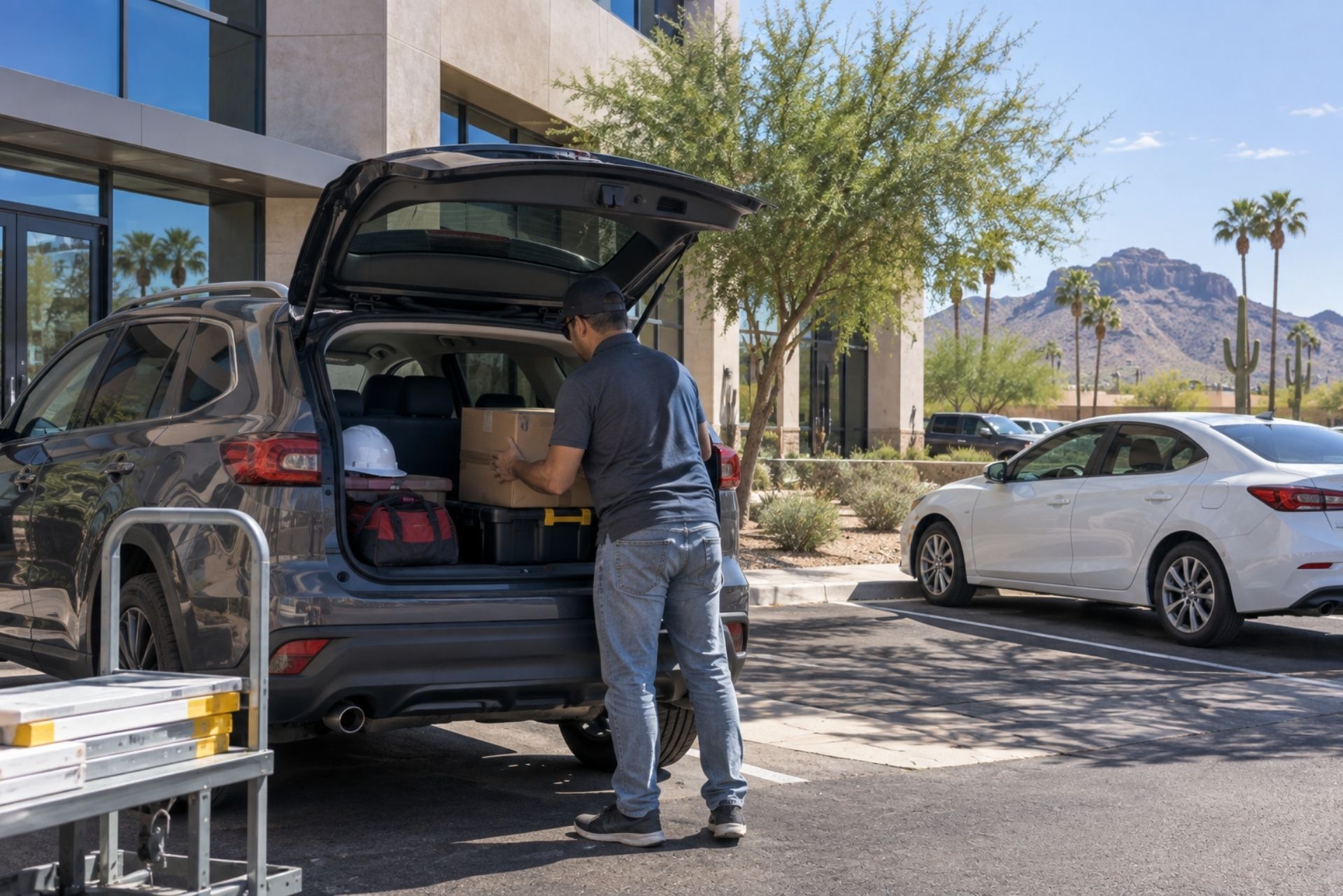
Comparison Table: Liability Protections for Arizona Businesses
| Coverage Type | Covers Employee's Personal Car (Business Use) | Covers Rental Vehicles | Physical Damage to Vehicle | Legal Defense Costs | Typical Limits |
|---|---|---|---|---|---|
| Personal Auto Policy | Usually excluded for business use | No | Yes (if collision/comp included) | For personal claims only | $25K-$100K |
| General Liability | No: auto excluded | No | No | Yes, for non-auto claims | $1M-$2M |
| HNOA Endorsement | Yes: liability only | Yes: liability only | Usually not included | Yes | $500K-$1M+ |
| Commercial Auto Policy | Only for owned/scheduled vehicles | If scheduled | Yes, if elected | Yes | $500K-$1M+ |
| Umbrella/Excess | Yes: excess over underlying | Yes: excess over underlying | No | Yes: excess | $1M-$5M+ |
This table highlights why a single policy type rarely covers all your bases. Most Arizona businesses need a combination of HNOA, commercial auto (if they own vehicles), and an umbrella policy to close every gap.
Even with an HNOA endorsement in place, gaps persist. Knowing where they are is half the battle.
Physical Damage to Non-Owned Vehicles
Standard HNOA coverage protects your business against liability claims from third parties, but it won't pay to repair or replace the employee's personal vehicle or the rental car itself. If your sales rep totals their car during a client visit, your HNOA policy covers the other driver's injuries and property damage. It won't cover your employee's car.
For rental vehicles, you can close this gap by purchasing the rental company's collision damage waiver or by adding hired auto physical damage coverage to your policy. For employee-owned vehicles, you'll need to make sure employees carry their own collision and comprehensive coverage, and you should verify this regularly.
Vicarious Liability and Legal Defense Costs
Arizona's vicarious liability laws mean your company can be sued directly for an employee's at-fault accident during business hours. Even frivolous lawsuits require a legal defense, and attorney fees add up fast. A typical auto injury defense in Maricopa County can run $15,000 to $50,000 before trial.
HNOA policies include duty-to-defend provisions, meaning your insurer assigns and pays for legal counsel. This alone can justify the premium cost, which typically runs $200 to $500 annually for small businesses. That said, check whether your policy's defense costs are inside or outside the liability limit. "Inside the limits" means legal fees reduce your available coverage, which can leave you short if the case goes to trial.
Frequently Asked Questions About Arizona HNOA
Does HNOA cover my employee's commute to and from work? Generally, no. The standard commute falls outside the scope of employment. Coverage applies once the employee begins a business-related task, like driving from the office to a client site or picking up supplies.
Can I add HNOA to my existing general liability policy? Yes, most insurers offer HNOA as an endorsement to your commercial general liability or business owners policy. It's one of the most affordable endorsements available, often under $500 per year for small businesses.
What if my employee has an accident and their personal insurance pays the claim? If the employee's personal policy covers the full claim, your HNOA policy typically won't need to respond. HNOA acts as excess coverage over the employee's personal auto policy in most cases.
Does HNOA cover independent contractors using their own vehicles? This depends on your policy language. Some HNOA endorsements only cover W-2 employees. If you use 1099 contractors for deliveries or errands, ask your agent specifically about contractor coverage, or require contractors to carry their own commercial auto insurance.
Is HNOA required by law in Arizona? Arizona doesn't mandate HNOA coverage by statute. But if your business has employees who ever drive for work purposes, the liability exposure makes it a practical necessity rather than a legal one.
Will HNOA cover a DUI accident by my employee? Most policies exclude coverage for criminal acts, including DUI. Your business could still face a lawsuit, but your insurer would likely deny the claim. This is one risk that HNOA can't fully address: screening and training employees is your best defense.
Making the Right Choice for Your Fleet and Staff
If even one employee occasionally drives their own car for a work errand, your business has exposure that a general liability policy won't cover. Hired and non-owned auto insurance in Arizona isn't expensive, but skipping it can be. A $300 annual endorsement looks like a bargain next to a $150,000 judgment.
Start by auditing how your employees actually use vehicles for work. Count every errand, delivery run, client visit, and airport pickup. Then talk to your insurance agent about matching your HNOA limits to your real exposure, not just Arizona's minimums. Layer an umbrella policy on top if your business handles frequent deliveries or has employees on the road daily.
Don't assume your employees' personal policies will protect your company. Verify coverage annually, put a written vehicle use policy in place, and make HNOA part of your standard commercial insurance package. The businesses that get this right never think about it again. The ones that don't find out the hard way.
About The Author:
Taylor Whatcott
As President of Wilde Wealth Insurance Services, I’m committed to providing trusted protection for both families and businesses across Arizona. Our independent team works with top-rated carriers to deliver tailored, comprehensive coverage—making insurance simple, accessible, and hassle-free.
Contact Us
Commercial Coverage Solutions
Protect Your Business with the Right Insurance
We offer customized insurance solutions to safeguard your business from financial risks. Our policies provide protection for property, employees, and liability concerns.
Commercial Property Insurance
Safeguards buildings, equipment, and inventory from damage or loss.
Professional Liability Insurance
Covers claims of negligence, errors, or omissions in services.
Cyber Liability Insurance
Protects against data breaches, cyberattacks, and online threats.
Who We Protect
Insurance Solutions for Your Industry
We specialize in providing tailored coverage for businesses in key industries. Our policies are designed to meet industry-specific risks and ensure complete protection.



Protection for Your Home & Assets
Reliable Coverage for Life’s Unexpected Moments
We provide personal insurance solutions designed to safeguard your home, vehicle, and financial well-being. Our policies ensure you and your loved ones are protected.







What Our Clients Say
Real Feedback. Real Confidence.
FAQs
Answers to Common Insurance Questions
How do I know which insurance coverage is right for me?
Choosing the right insurance depends on your personal or business needs. Our team evaluates your risks and recommends tailored coverage to protect what matters most.
We work with multiple carriers to provide different policy options. This allows you to compare benefits, limits, and pricing to make an informed choice.
If you’re unsure, we’ll walk you through the options step by step, ensuring you understand your coverage and feel confident in your decision.
Why should I choose an independent insurance agency like Wilde Wealth?
As an independent agency, we are not tied to a single insurance provider. This means we can compare multiple policies to find the best coverage at the best price.
Our goal is to advocate for you, ensuring you receive personalized service and expert advice tailored to your situation.
Unlike direct insurers, we offer ongoing support, helping you with claims, policy changes, and future coverage needs.
Can I bundle multiple insurance policies to save money?
Yes! Bundling policies like home and auto can lead to significant savings. Many carriers offer discounts for combining multiple coverages.
Bundling also simplifies policy management, with a single point of contact and streamlined renewals.
We help you explore bundling options to ensure you get the best value while maintaining the protection you need.
What factors affect my insurance rates?
Insurance rates are influenced by factors such as coverage limits, location, claims history, and risk exposure. Personal insurance may consider credit scores, driving history, and home value.
For businesses, factors like industry type, employee count, and annual revenue can impact pricing. Each carrier evaluates risk differently.
We shop multiple providers to find the best balance of coverage and cost, ensuring you don’t overpay while staying fully protected.
How does Wilde Wealth Insurance Services help business owners?
We provide customized business insurance solutions to protect against liability, property damage, employee-related risks, and cyber threats.
Our team works with a range of industries, including contractors, restaurants, and real estate professionals, to offer tailored policies.
From small startups to established enterprises, we help business owners minimize risks and keep operations running smoothly.
What happens if I need to file a claim?
Filing a claim is simple with our support. Contact us first, and we’ll guide you through the process, ensuring all necessary information is submitted correctly.
We work directly with your insurance carrier to expedite the claim, keeping you informed at every step.
Our team is here to advocate for you, making sure you receive a fair and timely resolution.
Latest Articles & Insights
Stay Informed with Expert Insurance Advice
We provide valuable insights to help you make informed insurance decisions. Explore our latest articles on coverage options, industry trends, and risk management tips.


Contact Us