
Arizona Structural Engineer and Contractor Insurance
See How We're Different:
or Call Us:(480) 526-3222
Arizona's
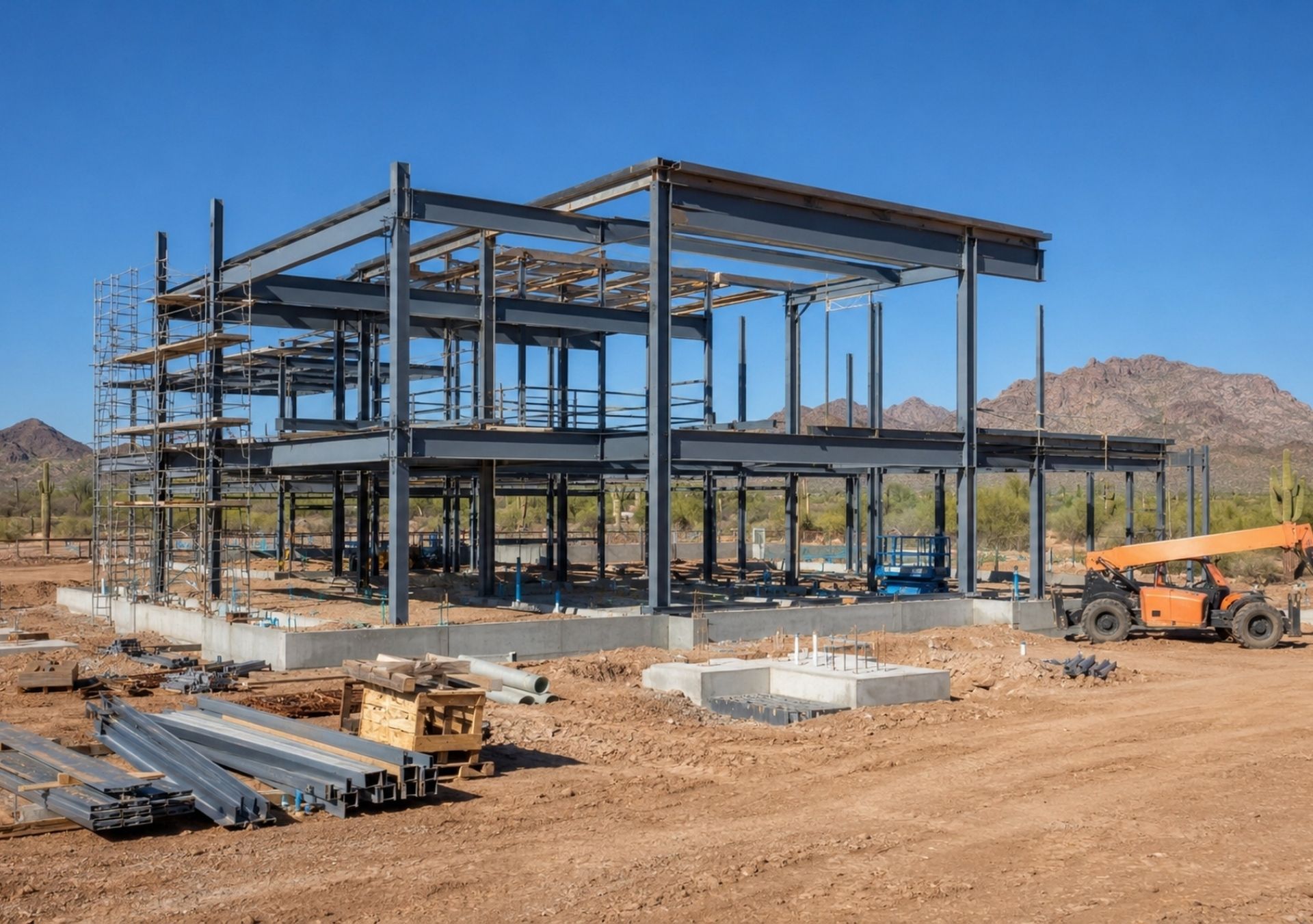
construction industry continues to boom, driven by population growth, commercial development, and infrastructure projects stretching across Maricopa, Pima, and Pinal counties. With that growth comes real exposure: structural failures, jobsite injuries,
design errors, and environmental hazards that can turn a profitable project into a financial disaster. Whether you're a licensed structural engineer running a small consulting firm or a
general contractor managing multi-million-dollar builds, your insurance program needs to reflect the specific risks of working in this state. This article provides a practical overview of insurance coverage for Arizona structural engineers and contractors, covering everything from statutory requirements and bonding to specialized policies for soil conditions and pollution liability. The stakes are high: a single uninsured claim can wipe out years of revenue. Understanding what you need, what Arizona law requires, and where common gaps hide is the difference between staying in business and closing your doors.
Core Insurance Requirements for Arizona Construction Professionals
Every structural engineering firm and
construction company operating in Arizona needs a foundation of core insurance policies. These aren't optional add-ons; they're the baseline that protects your business from the most common and costly exposures. The three pillars are
general liability,
professional liability, and workers' compensation
General Liability for Contractors and Structural Firms
Commercial general liability, or CGL, covers third-party bodily injury and property damage claims arising from your operations. If a pedestrian trips over construction debris at your jobsite, or if your crew accidentally damages an adjacent building's foundation, your CGL policy responds. Most Arizona project owners and general contractors require subcontractors to carry at least $1 million per occurrence and $2 million aggregate in CGL coverage before stepping onto a site.
CGL policies also include completed operations coverage, which matters enormously for structural work. If a retaining wall you built two years ago collapses and injures someone, completed operations coverage handles the claim. Don't confuse this with professional liability: CGL covers physical work and its consequences, not design errors.
Professional Liability and Errors & Omissions (E&O)
Structural engineers face a distinct risk that contractors typically don't: liability for design errors, miscalculations, and professional negligence. Professional liability insurance, often called E&O, covers claims alleging that your professional services caused financial harm or physical damage. Structural engineers in Arizona typically pay between $140 and $240 per month for professional liability with $1 million limits, though premiums vary based on project types, revenue, and claims history.
One critical detail: E&O policies are almost always written on a claims-made basis. That means the policy in force when the claim is filed responds, not the policy active when the error occurred. If you let your E&O lapse between projects, you could be uninsured for past work. Tail coverage, also called an extended reporting period, solves this problem but adds cost.
Workers' Compensation Compliance in Arizona
Arizona law requires every employer with at least one employee to carry workers' compensation insurance. There's no exemption for small firms. Sole proprietors and partners can elect to exclude themselves, but the moment you hire a helper, a field technician, or an office assistant, you need a policy in place.
Workers' comp covers medical expenses, lost wages, and rehabilitation for employees injured on the job. Arizona's Industrial Commission oversees claims and sets the rules. Penalties for non-compliance are steep: you can face fines, criminal charges, and personal liability for any workplace injuries that occur while you're uninsured. Subcontractors without workers' comp can also create liability problems for the general contractor who hired them.
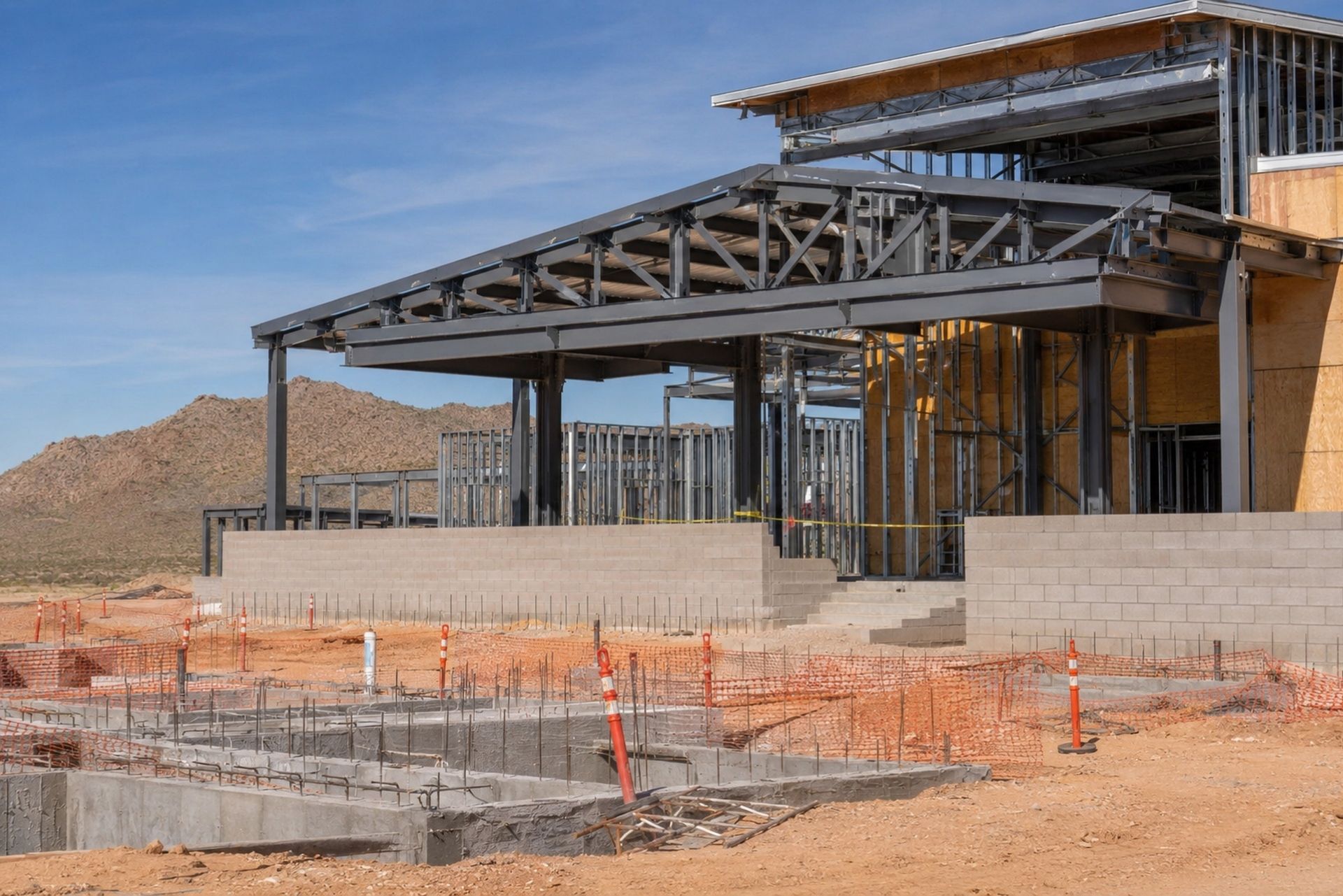
Arizona has specific legal requirements that directly affect your insurance needs. Ignoring them doesn't just create coverage gaps: it can cost you your license.
Arizona Registrar of Contractors (ROC) Bond Requirements
The Arizona Registrar of Contractors requires all licensed contractors to maintain a surety bond. The bond amount depends on your license classification and the dollar value of projects you're authorized to perform. Residential contractors typically need bonds ranging from $2,500 to $15,000, while commercial contractors may need significantly more.
A surety bond isn't insurance for you: it's a financial guarantee that protects consumers and project owners. If you fail to complete a project or violate contracting laws, the bond provides a source of recovery for the injured party. You're ultimately responsible for repaying the surety company. Keeping your bond active is a condition of maintaining your ROC license, and letting it lapse triggers automatic license suspension.
Statute of Repose and Limitations for Structural Defects
Arizona's statute of repose sets an outer boundary on how long after construction someone can file a claim for defective design or construction. Under A.R.S. 12-552, the limitation period for structural defect claims is eight years from substantial completion of the improvement. For claims involving patent defects that are discoverable through reasonable inspection, the window may be shorter.
This matters for your insurance planning. You need professional liability and completed operations coverage that extends well beyond project completion. An eight-year exposure window means you could face a claim long after you've forgotten the project details. Maintaining continuous E&O coverage with no gaps is essential, and you should retain project files for at least a decade.
Mitigating Risks Unique to the Arizona Environment
Arizona's geography and climate create hazards you won't encounter in most other states. Your insurance program should account for these region-specific exposures.
Soil Conditions and Foundation Failure Coverage
Expansive clay soils, caliche layers, and collapsible soils are common across the Phoenix metro area and southern Arizona. These soil conditions cause differential settlement, foundation cracking, and structural movement that generate expensive claims. A structural engineer who fails to account for soil reports, or a contractor who doesn't follow the engineered foundation plan, can face six-figure claims from homeowners and commercial property owners.
Standard CGL policies may not fully cover foundation-related claims if they're classified as faulty workmanship rather than an "occurrence." You'll want to review your policy's definition of occurrence carefully. Some insurers offer endorsements specifically addressing construction defect claims in states with problematic soils. Your E&O policy should also explicitly cover geotechnical-related design errors if you perform foundation engineering.
Extreme Heat and Weather-Related Site Risks
Arizona's extreme heat creates unique jobsite hazards. Heat-related illness is a leading cause of construction worker injuries in the state, and OSHA has increased enforcement of heat safety standards. Workers' comp claims for heat stroke and heat exhaustion are common during summer months, and they directly affect your experience modification rate, which in turn affects your premiums.
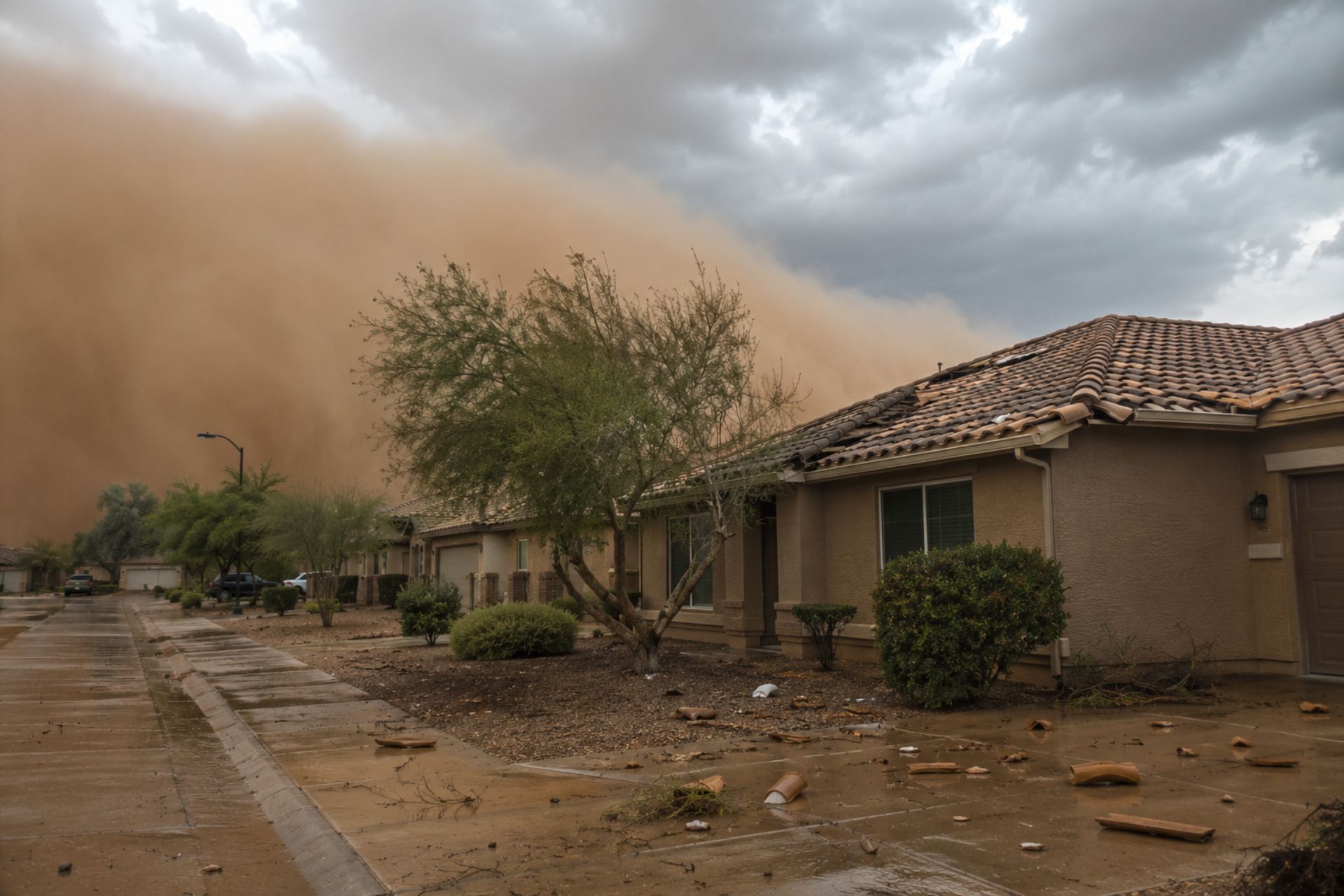
Monsoon season brings flash flooding, dust storms, and wind damage that can destroy partially completed structures and stored materials.
Builder's risk insurance covers damage to structures under construction, but you need to verify that your policy includes flood and wind coverage: these perils are sometimes excluded or sublimited. Temporary structures and scaffolding are particularly vulnerable during haboobs and microbursts.
Specialized Coverage for Structural Engineering Projects
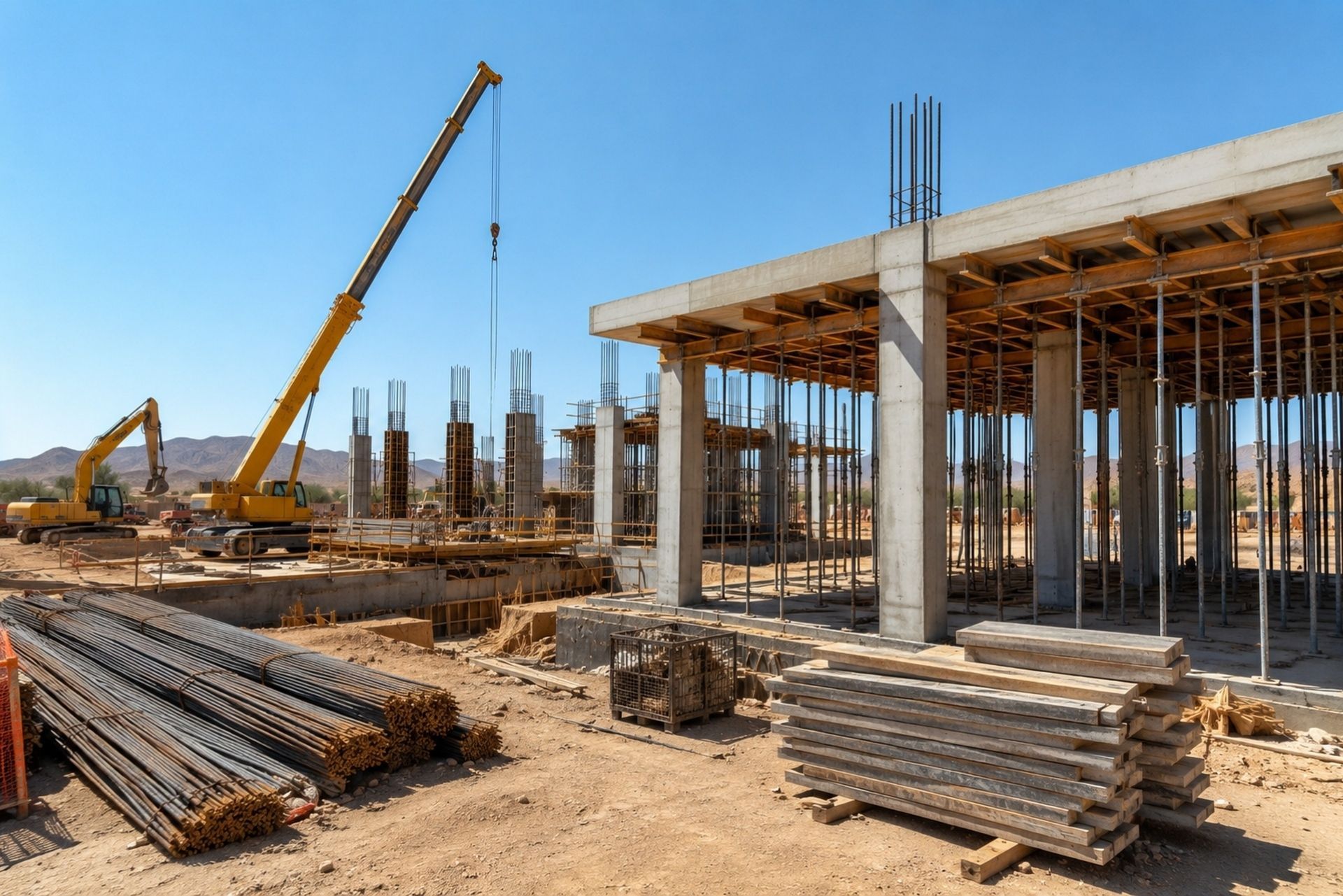
Beyond the core policies, certain projects demand specialized coverage that standard policies don't provide.
Pollution Liability and Environmental Risks
Construction and engineering projects can trigger pollution claims in ways you might not expect. Disturbing contaminated soil during excavation, releasing dust containing hazardous materials during demolition, or causing sediment runoff into waterways can all generate environmental liability. Standard CGL policies contain broad pollution exclusions that leave you exposed.
A contractor's
pollution liability policy fills this gap. It covers both sudden and gradual pollution events arising from your operations. If you're working on brownfield redevelopment, near Superfund sites, or performing demolition of older structures that may contain asbestos or lead paint, this coverage isn't optional: it's essential. Premiums depend on the types of projects you take on and your proximity to sensitive environmental areas.
Commercial Umbrella and Excess Liability Layers
A $1 million CGL limit sounds adequate until you're facing a wrongful death claim or a catastrophic structural failure. Commercial umbrella policies provide additional limits above your underlying CGL, auto liability, and employer's liability policies. For structural engineering firms and mid-size contractors, carrying $2 million to $5 million in umbrella coverage is standard practice.
Many project owners and government agencies require umbrella coverage as a contract condition. The cost is relatively modest compared to the protection it provides. A $2 million umbrella policy for a small structural engineering firm might cost $1,500 to $3,000 annually: a fraction of what a single serious claim would cost out of pocket.
| Coverage Type | What It Covers | Typical Limits | Who Needs It |
|---|---|---|---|
| Commercial General Liability | Third-party injury, property damage, completed operations | $1M/$2M | All contractors and engineers |
| Professional Liability (E&O) | Design errors, professional negligence | $1M/$2M | Structural engineers, design-build firms |
| Workers' Compensation | Employee injuries, lost wages, medical costs | Statutory | Any firm with employees |
| Contractor's Pollution Liability | Environmental contamination from operations | $1M-$5M | Demolition, excavation, brownfield projects |
| Commercial Umbrella | Excess limits above underlying policies | $2M-$10M | Firms with high-value contracts |
| Builder's Risk | Damage to structures under construction | Project value | General contractors, project owners |
Insurance is a significant operating expense. Smart risk management and policy structuring can reduce costs without sacrificing protection.
The Impact of Safety Records on Insurance Costs
Your experience modification rate, or EMR, directly affects your workers' comp premiums. An EMR below 1.0 means you have fewer claims than average for your industry class, and it earns you a discount. An EMR above 1.0 means you're paying a surcharge. A single serious injury can push your EMR up for three years.
Investing in safety programs, heat illness prevention training, and regular jobsite inspections pays for itself through lower premiums. Many Arizona insurers also offer premium credits for firms that implement formal safety management systems. Beyond workers' comp, a clean loss history across all your policies strengthens your position during renewals and makes you more attractive to underwriters.
Contractual Indemnity and Additional Insured Status
Every construction contract in Arizona contains indemnification clauses, and they directly affect your insurance needs. When you agree to indemnify a project owner or general contractor, you're accepting financial responsibility for claims arising from your work. Your CGL policy needs to support those contractual obligations through additional insured endorsements.
Being named as an additional insured on a subcontractor's policy gives you access to their coverage if their work causes a claim. Conversely, upstream parties will require additional insured status on your policy. Review these requirements before signing contracts: your broker should confirm that your policy's additional insured endorsement matches what the contract demands. Mismatches between contractual obligations and insurance coverage are one of the most common and costly mistakes in construction.
Frequently Asked Questions
Do I need both general liability and professional liability as a structural engineer in Arizona? Yes. General liability covers physical injury and property damage from your operations, while professional liability covers claims related to your design work and professional advice. They protect against different risks, and most clients require both.
Can I operate as a sole proprietor without workers' compensation in Arizona? If you have zero employees, you can legally opt out of workers' comp. The moment you hire anyone, even part-time, you must carry a policy. Some general contractors won't hire you as a sub without proof of workers' comp regardless.
How long can someone sue me for a structural defect in Arizona? Arizona's statute of repose allows claims up to eight years after substantial completion of the project. You should maintain continuous professional liability coverage for at least that long after finishing any project.
What's the difference between a surety bond and insurance? A surety bond guarantees your performance to a third party. If a claim is paid, you owe the surety company back. Insurance pays claims on your behalf without requiring repayment. Both are required for Arizona contractors, but they serve different purposes.
Does my CGL policy cover construction defects? It depends on the policy language and how the defect is classified. Many CGL policies exclude faulty workmanship but cover resulting damage. You'll need to review your specific policy's definitions carefully with your broker.
Making the Right Choice for Your Firm
Getting your Arizona structural engineer and contractor insurance coverage right isn't a one-time decision. Your program should evolve as your firm takes on new project types, hires employees, or expands into different service areas. Start with the core policies: CGL, professional liability, and workers' comp. Then layer in specialized coverage based on your actual risk profile, not a generic checklist.
Work with a broker who understands Arizona construction and engineering risks specifically. A generalist agent may miss critical exposures like expansive soil claims or monsoon-related builder's risk gaps. Review your policies annually, keep your ROC bond current, and maintain clean safety records to control costs. The firms that treat insurance as a strategic business tool, rather than just a line item, are the ones that survive the claims that inevitably come.
About The Author:
Taylor Whatcott
As President of Wilde Wealth Insurance Services, I’m committed to providing trusted protection for both families and businesses across Arizona. Our independent team works with top-rated carriers to deliver tailored, comprehensive coverage—making insurance simple, accessible, and hassle-free.
Contact Us
Commercial Coverage Solutions
Protect Your Business with the Right Insurance
We offer customized insurance solutions to safeguard your business from financial risks. Our policies provide protection for property, employees, and liability concerns.
Commercial Property Insurance
Safeguards buildings, equipment, and inventory from damage or loss.
Professional Liability Insurance
Covers claims of negligence, errors, or omissions in services.
Cyber Liability Insurance
Protects against data breaches, cyberattacks, and online threats.
Who We Protect
Insurance Solutions for Your Industry
We specialize in providing tailored coverage for businesses in key industries. Our policies are designed to meet industry-specific risks and ensure complete protection.



Protection for Your Home & Assets
Reliable Coverage for Life’s Unexpected Moments
We provide personal insurance solutions designed to safeguard your home, vehicle, and financial well-being. Our policies ensure you and your loved ones are protected.







What Our Clients Say
Real Feedback. Real Confidence.
FAQs
Answers to Common Insurance Questions
How do I know which insurance coverage is right for me?
Choosing the right insurance depends on your personal or business needs. Our team evaluates your risks and recommends tailored coverage to protect what matters most.
We work with multiple carriers to provide different policy options. This allows you to compare benefits, limits, and pricing to make an informed choice.
If you’re unsure, we’ll walk you through the options step by step, ensuring you understand your coverage and feel confident in your decision.
Why should I choose an independent insurance agency like Wilde Wealth?
As an independent agency, we are not tied to a single insurance provider. This means we can compare multiple policies to find the best coverage at the best price.
Our goal is to advocate for you, ensuring you receive personalized service and expert advice tailored to your situation.
Unlike direct insurers, we offer ongoing support, helping you with claims, policy changes, and future coverage needs.
Can I bundle multiple insurance policies to save money?
Yes! Bundling policies like home and auto can lead to significant savings. Many carriers offer discounts for combining multiple coverages.
Bundling also simplifies policy management, with a single point of contact and streamlined renewals.
We help you explore bundling options to ensure you get the best value while maintaining the protection you need.
What factors affect my insurance rates?
Insurance rates are influenced by factors such as coverage limits, location, claims history, and risk exposure. Personal insurance may consider credit scores, driving history, and home value.
For businesses, factors like industry type, employee count, and annual revenue can impact pricing. Each carrier evaluates risk differently.
We shop multiple providers to find the best balance of coverage and cost, ensuring you don’t overpay while staying fully protected.
How does Wilde Wealth Insurance Services help business owners?
We provide customized business insurance solutions to protect against liability, property damage, employee-related risks, and cyber threats.
Our team works with a range of industries, including contractors, restaurants, and real estate professionals, to offer tailored policies.
From small startups to established enterprises, we help business owners minimize risks and keep operations running smoothly.
What happens if I need to file a claim?
Filing a claim is simple with our support. Contact us first, and we’ll guide you through the process, ensuring all necessary information is submitted correctly.
We work directly with your insurance carrier to expedite the claim, keeping you informed at every step.
Our team is here to advocate for you, making sure you receive a fair and timely resolution.
Latest Articles & Insights
Stay Informed with Expert Insurance Advice
We provide valuable insights to help you make informed insurance decisions. Explore our latest articles on coverage options, industry trends, and risk management tips.

Contact Us